Ekurhuleni killings renew scrutiny of South Africa’s gender violence response
Police have not established whether the deaths are linked, while activists say laws will not protect women without functioning support, policing and justice systems.
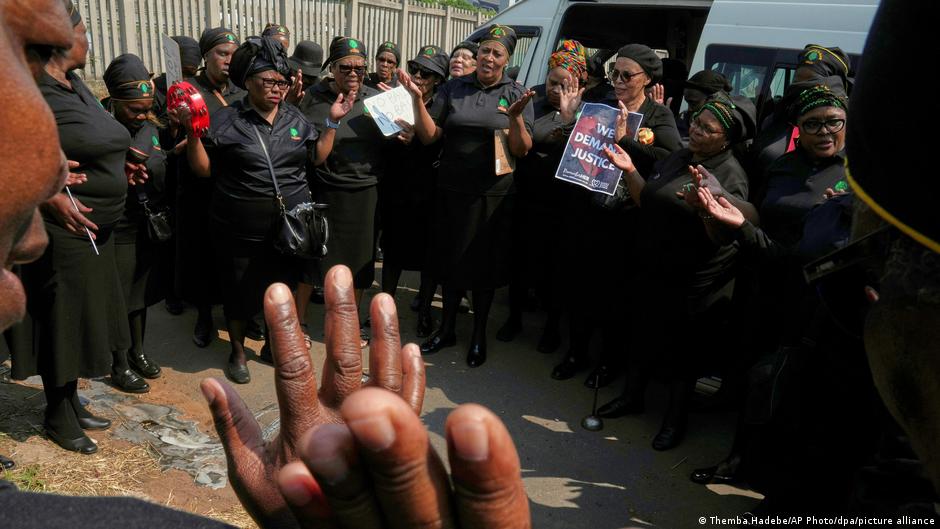
The killings of women in Ekurhuleni have renewed scrutiny of South Africa’s response to gender-based violence, months after the country declared the issue a national disaster.
Police found Dineo M., 38, stabbed, beaten and partially naked in Ekurhuleni, a municipality on the outskirts of Johannesburg. Authorities have identified similarities in some killings but have not established whether the cases are connected. Police have warned women in the area to take precautions.
Police Minister Firoz Cachalia said there was no conclusive evidence that a serial killer was responsible, while investigations continued. The authorities have not ruled out other possibilities.
Activists told Deutsche Welle that the central problem was not simply a lack of laws or policies, but whether they were implemented effectively. They called for survivor-centred services spanning reporting, policing, health care, psychosocial support and legal assistance.
Amnesty International South Africa said femicide was not separately recognised as a crime and was generally treated as murder, arguing that the response required dedicated resources and greater urgency.
The concerns extend across the region. Botswana and the United Nations launched a programme in June focused on prevention, survivor services and stronger institutions, while Zambia also faces persistent gender-based violence despite laws and national programmes.