Eighteen years of maritime restriction: Israel maintains naval blockade on Gaza
A new analysis from Al Jazeera Global News frames the long-standing naval blockade as a transformation of the sea into a wall, marking an 18-year period of enforced isolation.
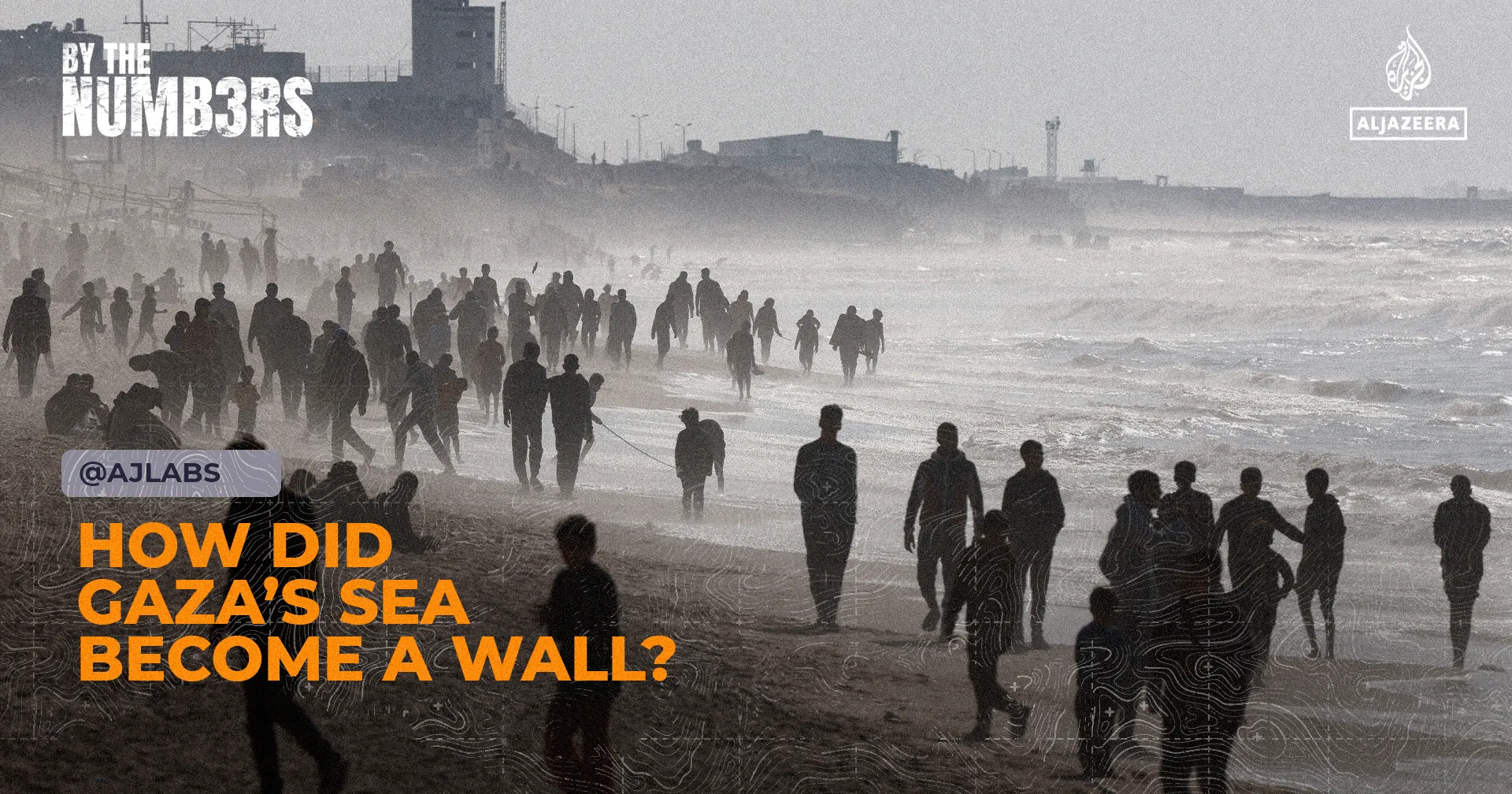
Israel has maintained a naval blockade around the Gaza Strip for 18 years, a duration that Al Jazeera Global News has highlighted in recent reporting. The restriction, enforced by Israel, has effectively limited maritime access to the territory for nearly two decades.
The report, titled How did Gaza's sea become a wall?, frames the operational reality of these maritime restrictions by describing how the blockade has turned the surrounding waters into a barrier. This metaphorical description underscores the severity and permanence of the naval restrictions imposed on the region.
According to the source material, the timeframe of the blockade extends back 18 years as of the report date in May 2026. While the specific commencement date is not explicitly detailed in the summary, the duration implies a start point around 2008, consistent with the long-standing nature of the enforcement.
The nature of the restriction remains defined by its function as a naval blockade, preventing vessels from entering or leaving the Gaza Strip without authorization. The Al Jazeera analysis focuses on the institutional continuity of this policy rather than the fluctuating dynamics of the conflict itself.
This sustained enforcement represents a significant element of the security architecture surrounding the territory. By maintaining these maritime restrictions for such an extended period, Israel has established a regime of control that fundamentally alters the geography of access to the Gaza Strip.
The reporting serves to contextualize the current situation within a broader historical framework of policy implementation. The focus remains on the factual duration and the entity responsible for the enforcement, providing a clear picture of the maritime status quo.
As the report notes, the sea has become a wall, illustrating the tangible impact of the 18-year blockade on the region's connectivity. This perspective offers a structured view of the governance challenges associated with maintaining such extensive maritime restrictions over time.