Eighteen Americans Evacuated from MV Hondius Placed Under Quarantine Following Andes Virus Outbreak
One passenger tests positive for the rare hantavirus strain while officials clarify transmission protocols and quarantine durations
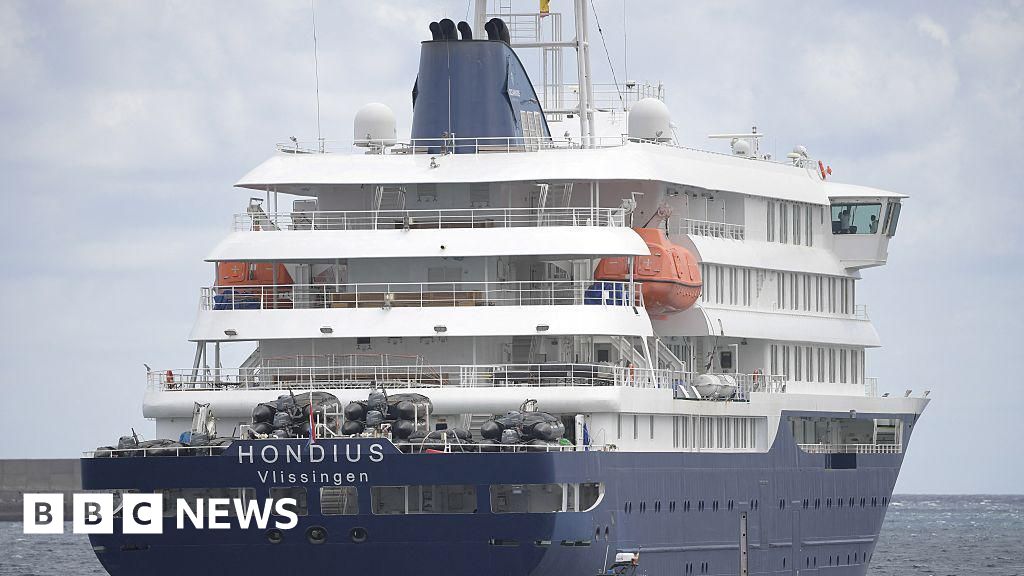
Eighteen American passengers have been evacuated from the Dutch cruise ship MV Hondius and are currently under close monitoring by US health officials following an outbreak of the Andes virus. This rare strain of hantavirus has claimed three lives aboard the vessel, prompting a significant logistical response as the ship remains docked in Spain's Canary Islands. While more than 90 passengers are being repatriated from the location, the focus of US authorities has shifted to the specific health protocols required for the evacuated nationals.
The Centers for Disease Control and Prevention (CDC) confirmed that one American passenger has tested positive for the Andes virus, marking the first confirmed case involving a US national. A second passenger is exhibiting mild symptoms and is being monitored alongside their partner. Officials have clarified that the initial "mildly positive" PCR result for the symptomatic individual was based on a specimen taken on the ship, where conflicting results necessitated a shift toward symptom-based monitoring rather than relying solely on the initial test data.
Logistical arrangements for the quarantine have been managed between two locations to preserve capacity at the national facility. Two individuals, including the symptomatic passenger and their partner, are being monitored in Atlanta, Georgia. Meanwhile, sixteen other passengers are held at the National Quarantine Unit in Omaha, Nebraska. Nebraska Governor Jim Pillen emphasised that no individual posing a risk to public health is leaving the quarantine facilities, noting that those currently in Nebraska are in good shape and good spirits.
Admiral Brian Christine of the US Health and Human Services department stated that the risk to the general public remains very, very low. He noted that the Andes variant does not spread easily between people and requires prolonged close contact with a symptomatic individual to transmit. This assessment aligns with expert understanding that while the Andes strain has been identified in cases of human-to-human transmission, it differs from most hantavirus strains which are primarily carried by rodents and do not typically pass from person to person.
Regarding the duration of the isolation, officials have established specific protocols that could include a 42-day period. However, the final duration will be determined on a case-by-case basis after the initial assessment phase. The CDC cautioned that mild symptoms, such as those resembling a common cold, would count as a symptom requiring observation, ensuring that passengers are not discharged prematurely. A British-US dual national is also currently in quarantine in Nebraska, reflecting the international scope of the response.
The outbreak has also seen two British nationals with confirmed cases being treated in the Netherlands and South Africa. As the situation develops, the focus remains on the strict application of biocontainment measures and the careful evaluation of each passenger's health status to ensure safety without causing unnecessary disruption to the repatriation efforts underway in the Canary Islands.