Eight nations condemn Israel’s rejection of Trump’s Gaza peace plan
Diplomatic pressure mounts on Israel as regional powers assert it bears responsibility for obstructing peace efforts, coinciding with ceasefire implementation discussions involving Hamas and US representatives.
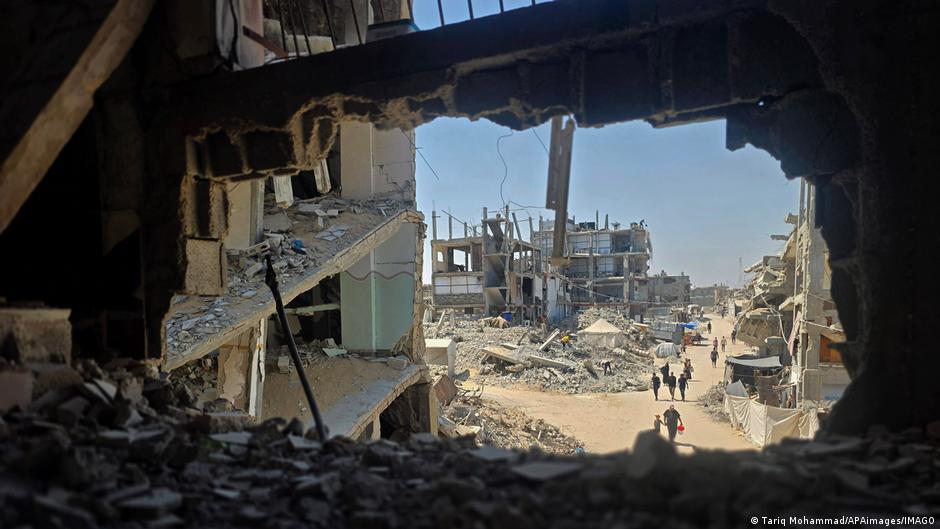
The foreign ministers of the United Arab Emirates, Saudi Arabia, Qatar, Jordan, Indonesia, Pakistan, Turkey and Egypt have issued a joint statement condemning Israel’s rejection of President Donald Trump’s 15-point plan to end the war in the Gaza Strip. Released on Sunday, the statement asserts that Israel bears responsibility for obstructing peace efforts and threatens to derail initiatives aimed at establishing a lasting ceasefire.
The diplomatic censure follows a week of heightened tension after Israeli Prime Minister Benjamin Netanyahu rejected the roadmap, stating that no military pullout would occur until Hamas is "genuinely" disarmed. The eight nations, whose foreign ministers convened to release the statement, described the rejection as an explicit refusal to proceed with the Comprehensive Plan, directly challenging the extensive efforts exerted by President Trump to end the conflict.
The condemnation coincides with active diplomatic engagement in Egypt, where US envoy Jared Kushner and Trump’s Board of Peace envoy for Gaza, Nickolay Mladenov, are holding talks regarding ceasefire implementation. These discussions involve regional mediators from Egypt, Qatar and Turkey, as well as Hamas leader Khalil al-Hayya, who is currently in Cairo for ceasefire-related negotiations.
Trump’s Board of Peace announced last month that a deal had been reached for the complete disarmament of Hamas and other armed groups in Gaza. The 15-point plan drawn up by the Board calls for Israeli troops to withdraw as Hamas surrenders its weapons, followed by the deployment of an international stabilization force to work alongside a new Palestinian police force.
Hamas has navigated the disarmament terminology carefully, with al-Hayya stating on July 30 that weapons would be handed over to a new Palestinian governing body under Board of Peace supervision, rather than using the term "disarmament". Despite objections to parts of the plan, Netanyahu indicated last Sunday that Israel remains in talks with Washington, noting that while some ideas are unacceptable, the government knows how to stand its ground.
The foreign ministers called on the Board of Peace and the United States to take immediate and concrete measures to uphold the integrity of the Comprehensive Plan. They urged that no party be allowed to obstruct its implementation, reinforcing the view that the current rejection confirms Israel’s role in hindering peace in Gaza and the rest of the Occupied Palestinian Territory.