Ecuador launches first Amazon fracking project amid production decline and environmental scrutiny
The Shushufindi Libertador well is already yielding over 930 barrels daily, a move the Ministry of Environment and Energy calls a milestone, though critics warn of ecological risks in the border region
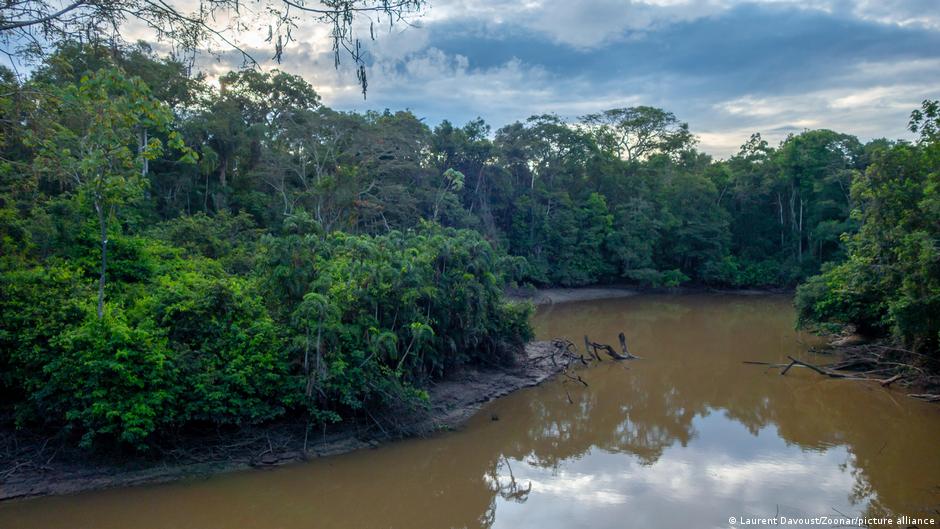
Ecuador's state-owned oil company, Petroecuador, has commenced hydraulic fracturing operations in the Amazonian province of Sucumbios, marking the first time this extraction method has been deployed in the country's rainforest. Located on Block 57 near the border with Colombia, the project is being conducted in partnership with a subsidiary of China's national petroleum corporation, CCDC. The initiative represents a significant policy shift for the nation's energy sector, aiming to stabilise export revenues following a sustained downturn in domestic output.
According to the Ministry of Environment and Energy, the new well, named Shushufindi Libertador, is currently in full production and yielding more than 930 barrels of crude oil per day. Officials have described this operational start as a milestone for the country's oil production capabilities. This move comes as a direct response to a 13% decline in national crude oil production recorded since 2016, with figures falling to approximately 466,000 barrels a day in January 2026.
The decision to utilise fracking aligns with President Daniel Noboa's administration strategy to attract foreign investment and upgrade infrastructure to reverse years of underinvestment. Analysts suggest that aging facilities have contributed to the drop in output, prompting the government to seek greater involvement from international partners to expand exploration, particularly within the Amazon region. The joint venture with CCDC underscores the administration's push to secure funding and technical expertise to bolster the state oil company's capacity.
However, the introduction of hydraulic fracturing into the Amazon has immediately drawn sharp criticism from environmentalists and Indigenous groups. The technique, which involves extracting petroleum from subterranean bedrock using industrial quantities of water and chemicals, carries well-documented risks including potential water contamination and the provocation of micro-earthquakes. These concerns highlight the tension between the government's economic objectives and the ecological sensitivities of the region.
The Ministry of Environment and Energy maintains that the project is a necessary step to address the nation's declining export earnings, which rely heavily on oil revenues. Despite the operational success of the initial well, the long-term environmental impact of this specific fracking operation in the Amazon has not yet been fully assessed or reported. As the project progresses, the level of opposition from local communities and environmental advocates is expected to remain a critical factor in the policy's implementation.