Economist challenges narrative linking US auto output to tariff success
Amidst broader discussions on artificial intelligence and manufacturing shifts, an economist has rejected the assertion that rising vehicle output in the United States proves the efficacy of current auto tariffs.
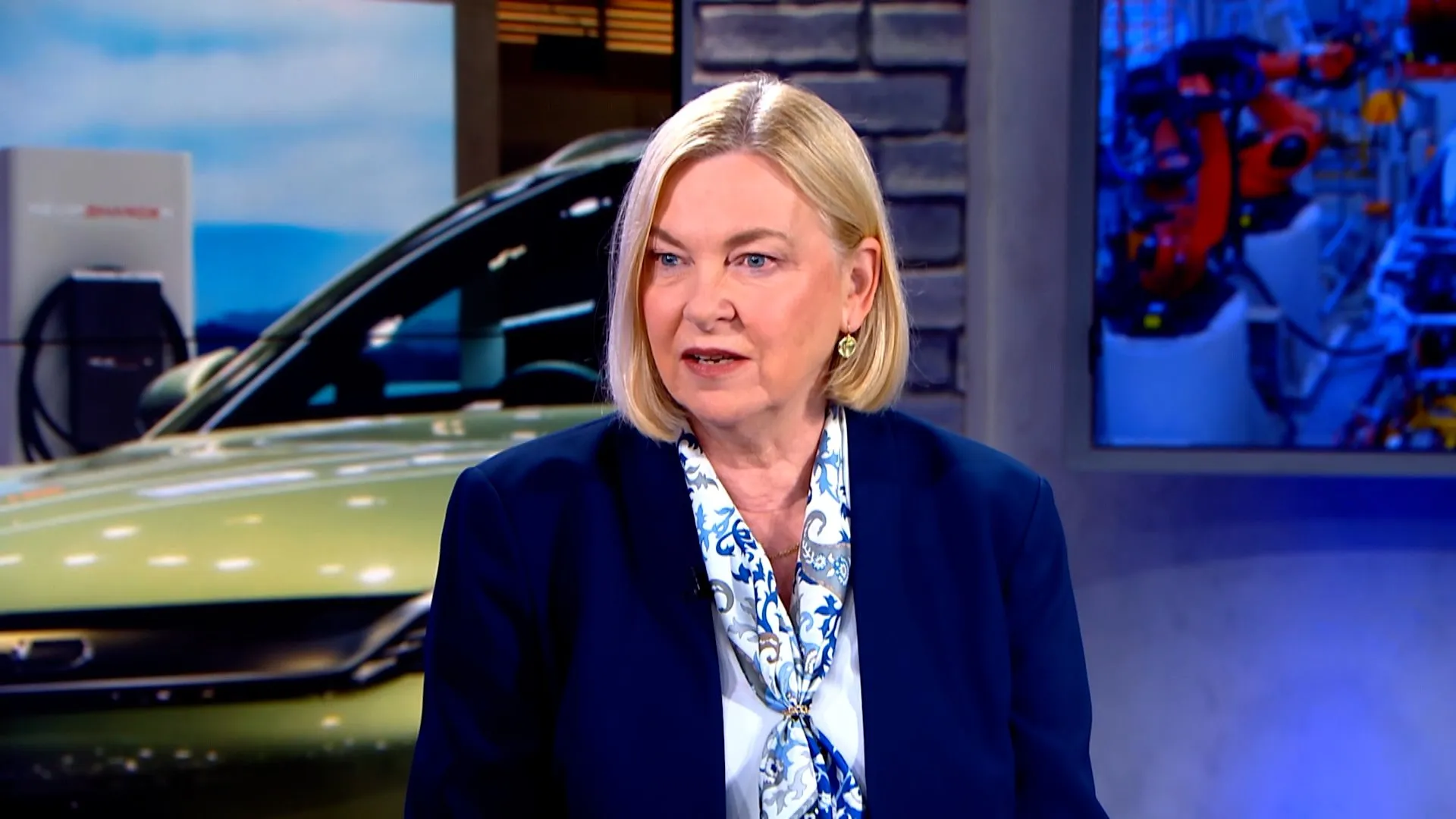
Economist Mary Lovely has formally dismissed claims that increased car production by automakers within the United States serves as evidence that existing tariffs are effective. Her assessment challenges the prevailing narrative that higher domestic vehicle output validates the protectionist policies implemented by US authorities.
The commentary emerges within a complex industrial landscape involving artificial intelligence, Chinese manufacturing dynamics, and the development of automated facilities. While the specific economic metrics Lovely employs to refute the tariff efficacy claims are not detailed in the available reporting, her stance directly counters arguments that production volume is a reliable indicator of policy success.
The broader discourse surrounding the US auto industry currently focuses on the intersection of technological advancement and global supply chains. Themes such as the influence of Chinese manufacturing and the emergence of 'dark factories'—fully automated facilities—remain central to the conversation regarding the future of American automotive production.
Despite the focus on these structural shifts, the source material does not provide specific data points or production figures to support or dismiss the claims regarding output levels. The dismissal by Lovely highlights a divergence between political rhetoric regarding trade barriers and the technical realities of industrial output.
This development occurs against a backdrop of significant regulatory activity in the United States, including recent decisions by the Justice Department regarding the Federal Reserve. However, these unrelated administrative matters do not intersect with the specific economic arguments concerning auto tariffs and manufacturing output presented by Lovely.