ECIU expert warns El Niño is 'turbocharging' climate crisis
The head of international programmes at the Energy & Climate Intelligence Unit argues the current El Niño event must be viewed as a compounding factor in an already destabilised climate system, rather than an isolated weather event.
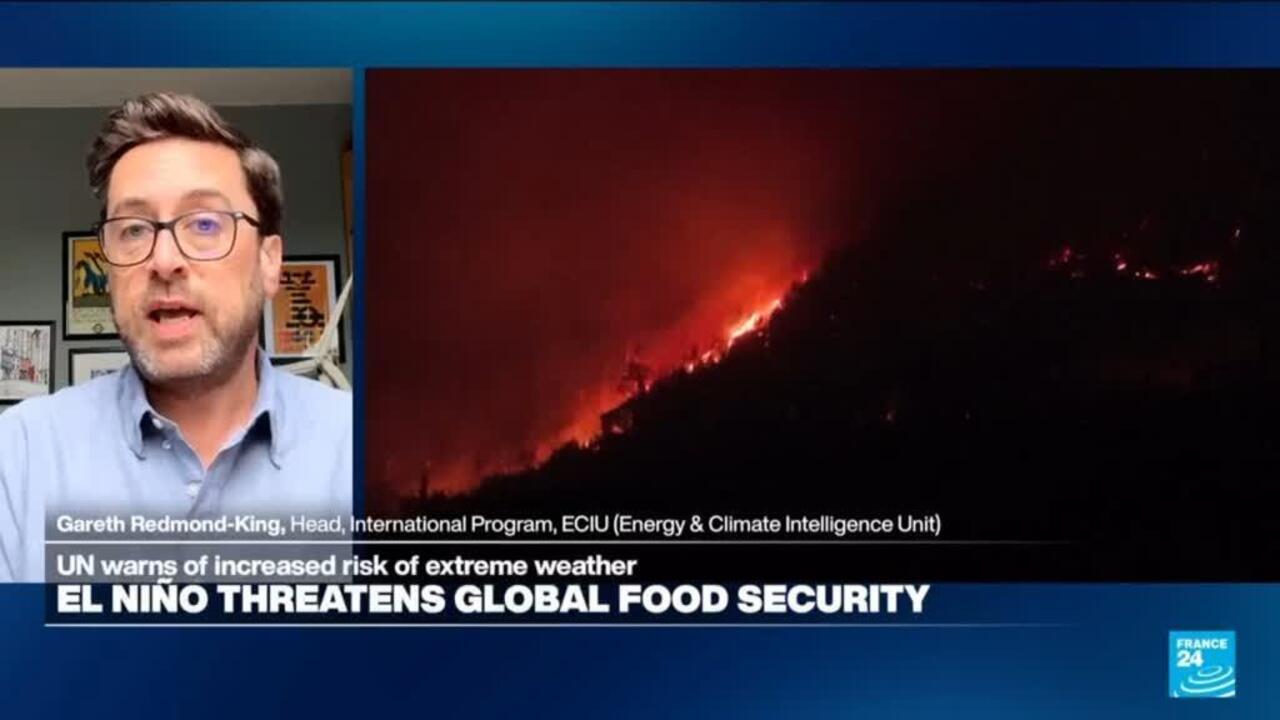
Gareth Redmond-King, head of the international programme at the Energy & Climate Intelligence Unit (ECIU), has issued a stark warning regarding the current El Niño event, describing it as a force that is actively accelerating climate change. Speaking on France 24, Redmond-King argued that the powerful weather phenomenon should not be interpreted as an isolated threat, but rather as a significant accelerant that adds heat to an already destabilised global climate system.
The commentary follows recent alerts from the World Meteorological Organization (WMO), which has highlighted the far-reaching consequences associated with the intensity of the current El Niño cycle. Redmond-King characterised the interaction between the weather pattern and global warming as "pouring fuel on that particular fire," suggesting that the phenomenon exacerbates existing environmental instability rather than acting independently of it.
During the broadcast, hosted by Oliver Farry, the ECIU representative emphasised that the current event is effectively "turbocharging climate change." This metaphorical description underscores the view that El Niño is compounding the effects of long-term global warming by injecting additional heat into the planet's systems. The warning positions the weather event as a critical multiplier of climate risks rather than a temporary anomaly.
The Energy & Climate Intelligence Unit’s assessment aligns with broader concerns raised by international meteorological bodies regarding the severity of the current conditions. By framing El Niño as an accelerant, Redmond-King’s analysis shifts the focus from viewing the event as a standalone meteorological occurrence to understanding its role in deepening the structural challenges of a warming world.
While specific timelines for the peak intensity or duration of the event were not detailed in the discussion, the emphasis remains on the immediate impact of the phenomenon on global temperature anomalies. The ECIU’s position reinforces the urgency of addressing climate change as a systemic issue, where natural climate variability interacts with anthropogenic warming to produce compounding effects.
The World Meteorological Organization’s earlier warnings regarding the event’s potential global impacts provide the backdrop for this expert analysis. The convergence of institutional alerts and ECIU commentary suggests a growing consensus on the need to treat El Niño as a critical factor in the broader climate crisis, rather than a distinct and separate weather pattern.
Redmond-King’s intervention on France 24 serves to highlight the interconnected nature of climate risks. By describing the phenomenon as adding heat to a destabilised system, the ECIU head underscores the limitations of viewing climate events in isolation, urging a more integrated understanding of how weather patterns influence long-term environmental stability.