Ebola outbreak crosses into Uganda as DRC containment efforts falter
Confirmed cases in Uganda mark a significant escalation in the eastern Democratic Republic of the Congo crisis, complicating regional health governance and response logistics.
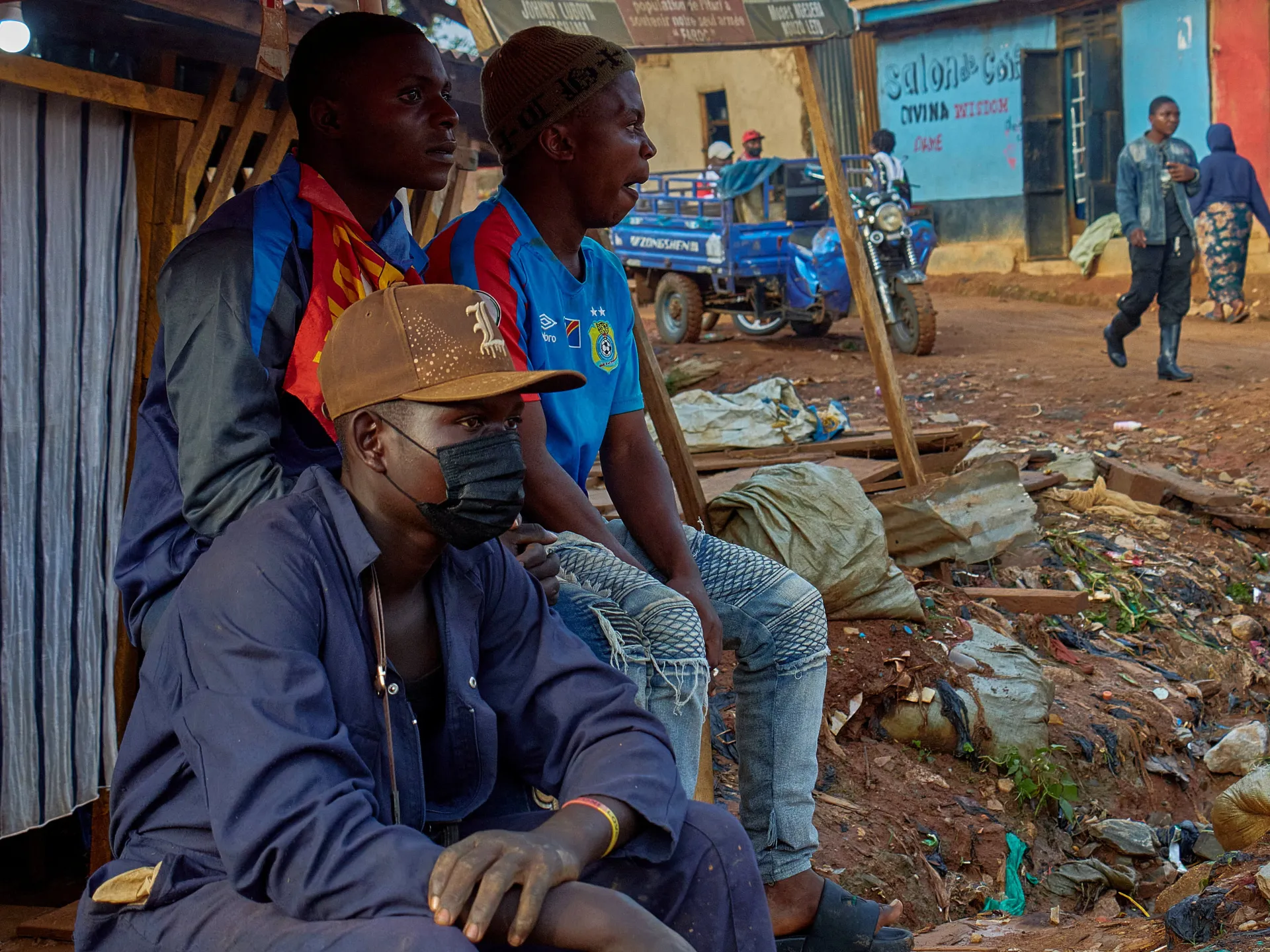
The World Health Organization has declared the Ebola outbreak in the eastern Democratic Republic of the Congo a public health emergency of international concern, following the confirmation of new cases in neighbouring Uganda. The cross-border expansion of the Bundibugyo species of the virus underscores the fragility of containment measures in a region already grappling with significant security and logistical hurdles.
While the World Health Organization assessed the global risk as low, the situation on the ground remains volatile. Authorities in the eastern provinces of Ituri and North Kivu are struggling to manage the spread, with previous reports indicating that suspected cases in the DRC and Uganda had surpassed 900, accompanied by over 100 suspected deaths. These figures, however, remain subject to revision as health officials navigate inconsistent data reporting and ongoing field challenges.
The outbreak’s trajectory has been severely hampered by a combination of armed conflict and systemic resource constraints. Aid organisations report that sweeping cuts to international aid budgets, particularly from wealthy nations including the United States, have diminished the capacity to detect and respond to infectious disease outbreaks. Compounding these financial shortfalls is the reality of rebel control in certain affected areas, which restricts the movement of health workers and the delivery of essential medical supplies.
Community tensions have further complicated the public health response, leading to violent backlash against health infrastructure. Anger over strict burial protocols and accusations of deception by aid workers resulted in the burning of health centres in Rwampara and Mongbwalu last week. In response to these security threats and the need to curb transmission, authorities in northeastern DRC have imposed bans on funeral wakes and gatherings exceeding 50 people.
As cases are confirmed in Kampala, the incident highlights the limitations of current governance frameworks in managing transboundary health crises. The intersection of humanitarian aid cuts, localised conflict, and community distrust presents a complex policy environment that continues to challenge international health security protocols.