DW updates propaganda guide with focus on AI-driven 'slopaganda' in 2026 conflicts
New analysis highlights how artificial intelligence is being used to manufacture consensus and manipulate public opinion during the 2026 US-Iran conflict.
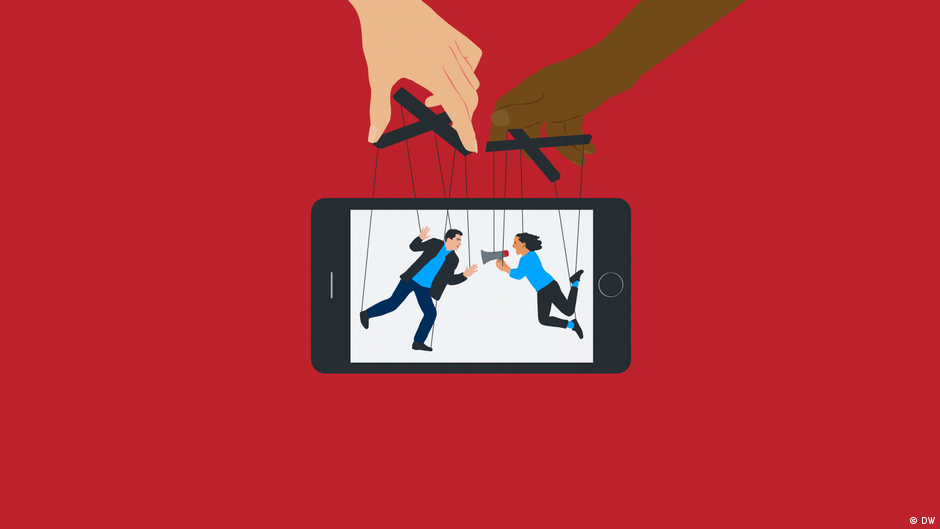
Deutsche Welle has published a revised fact-check guide addressing the proliferation of artificial intelligence in modern information warfare, specifically focusing on low-quality automated content termed "slopaganda". The update, released on 18 August 2026, expands upon the organisation’s original 2022 digital literacy framework to address how AI tools are now being deployed by both democratic and authoritarian regimes to shape public belief.
The guide cites the 2026 US-Iran conflict as a primary case study for this new breed of propaganda. It details how AI-generated animations, including content inspired by "The Lego Movie" and a video depicting US Vice President JD Vance as a Godzilla-like figure rampaging through Tehran, have amassed millions of views. These examples illustrate what observers are calling a "slopaganda war", where the term combines propaganda with "slop", referring to low-quality, automated material designed to manipulate opinion.
Propaganda is defined in the report as the deliberate use of information by governments and politicians to influence behaviour through selective presentation or omission of facts. While historically associated with authoritarian states such as Russia, China, and North Korea, the guide notes that propaganda is also prevalent in democratic societies, though it tends to be more pluralistic and less centrally controlled.
Experts interviewed for the guide, including Piers Robinson of the Organisation for Propaganda Studies and Pavel Koshkin of the Russian Academy of Sciences, highlight historical precedents for these tactics. Robinson points to the 2003 invasion of Iraq, where exaggerated intelligence regarding weapons of mass destruction was used to vilify a rival nation. Similarly, the guide references former US President Donald Trump’s use of name-calling and exaggerated claims as techniques to discredit opponents and disparage specific groups.
Christian Mihr of Reporters Without Borders emphasises the role of media organisations in this landscape, noting that while some outlets like Russian state-funded broadcaster RT are accused of serving as mouthpieces for the Kremlin, journalists should ideally act as watchdogs to debunk such narratives. The guide advises readers to verify sources, check for transparency in funding and ownership, and remain sceptical of content that provokes strong emotional reactions or creates an illusion of consensus through high-volume messaging.