DW Fact Check: Navigating the Landscape of Bots, Trolls and Inauthentic Accounts
Deutsche Welle outlines indicators for identifying inauthentic social media behaviour, from automated posting frequencies to coordinated network amplification, amid ongoing EU regulatory scrutiny.
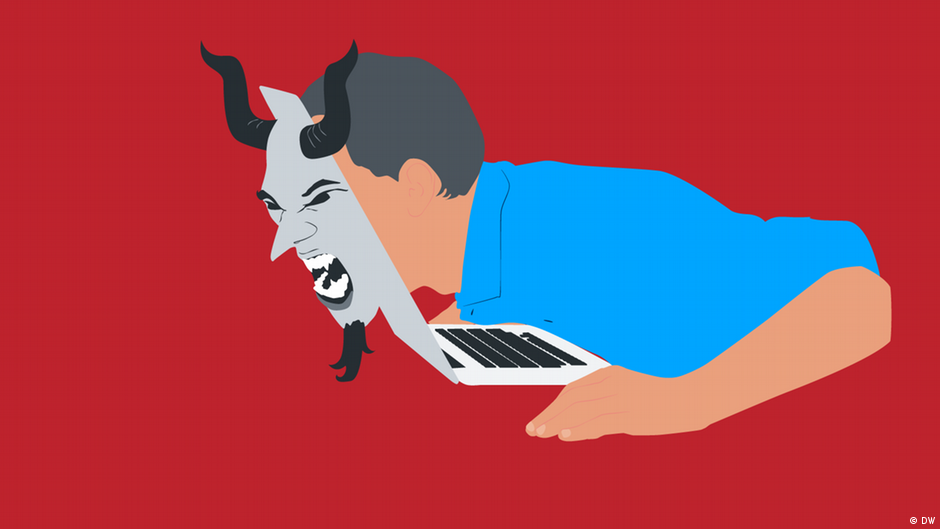
Deutsche Welle has published updated guidance on distinguishing between fake accounts, bots and trolls, referencing a 2024 report by the German Foreign Ministry that details the scale of the Russian 'Doppelgänger' disinformation campaign. First detected in 2022 following Russia's invasion of Ukraine, the operation aimed to amplify pro-Russian narratives across social media platforms in countries including Germany. The ministry noted that on some days, thousands of accounts were active, posting more than once per second in a coordinated manner.
The report underscores the necessity for users to verify the authenticity of social media content. The German Foreign Ministry cited figures of hundreds of thousands of inauthentic accounts and millions of automated posts as part of the broader disinformation effort. This context highlights the challenges platforms face in maintaining information integrity, particularly as new accounts can appear faster than moderation systems can respond.
Definitions provided in the fact-check distinguish between three categories of inauthentic behaviour. Fake accounts conceal true identities, sometimes impersonating politicians or journalists, though not all carry malicious intent. Bots are automated programs that may innocently share news or weather alerts, or deliberately distort reality by amplifying specific political agendas. Trolls are described as real humans exhibiting destructive, hyperactive behaviour, often seeking to provoke outrage rather than engage in meaningful discussion.
One prominent example cited is the Internet Research Agency in St Petersburg, identified by EUvsDisinfo—a project of the European External Action Service—as a troll factory disseminating falsehoods during European and US election campaigns. The agency was found to have spread pro-Kremlin messages in multiple languages, illustrating the organised nature of state-aligned disinformation efforts.
Under the EU Digital Services Act, platforms operating in Europe are required to release transparency reports detailing content removal. Meta reported taking action on 1.1 billion accounts in the last three months of 2025, according to the source. However, the article notes that verification badges are no longer reliable indicators of authenticity, as some platforms now allow users to purchase them.
To identify inauthentic accounts, Deutsche Welle advises examining digital consistency. Genuine profiles typically maintain a coherent identity across names, bios and content. Users are encouraged to use reverse image search tools to verify profile pictures and check for links to official websites. Suspicious behaviour, such as posting at speeds impossible for humans or sharing content unrelated to a claimed location or profession, serves as a key red flag.
Network analysis is also recommended. Fake accounts often operate in clusters that repeatedly amplify specific narratives, whereas genuine users tend to have diverse follower bases. The fact-check, first published in 2022 and revised to reflect current trends, concludes that slowing down to examine an account's identity, behaviour and network connections remains the most effective defence against disinformation.