DW Akademie and German donors deliver safety training for female journalists in northern Ghana
Twelve reporters received instruction on risk assessment, digital safety, and physical security protocols amid challenges in Ghana's press environment
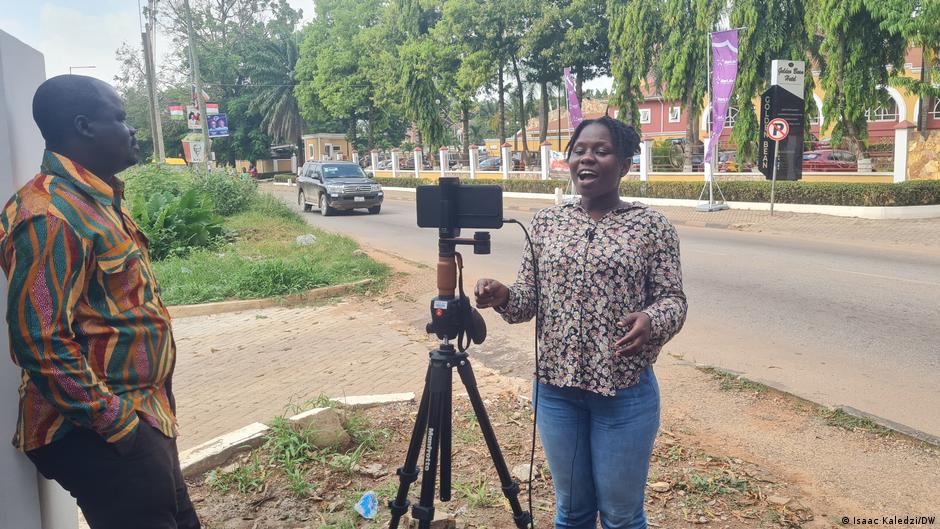
DW Akademie, operating with support from Germany's Federal Ministry for Economic Cooperation and Development, has implemented a targeted initiative to address the security and professional hurdles faced by women in the Ghanaian media sector. The programme, titled "Safety for Female Journalists", convened twelve female reporters in northern Ghana to examine the specific gender-based challenges that impede their ability to participate fully in public life.
The training focused on practical resilience and risk management, moving beyond theoretical discussion to simulate difficult scenarios involving harassment and violence. Participants engaged in exercises designed to improve their capacity for intervention and safety assessment, including protocols for sharing live locations during remote assignments and carrying insurance cards. The curriculum also covered specific physical safety measures, such as selecting accommodation with multiple exits and photographing insect bites for immediate medical diagnosis.
A significant component of the session addressed digital safety and the verification of information in an era of increasing misinformation. Attendees received instruction on critical approaches to AI-generated content, alongside strategies for managing cyberbullying and hate speech. This digital literacy component was intended to equip journalists with the tools necessary to maintain accuracy and security while navigating the complexities of modern reporting environments.
Shawana Yussif, a bureau chief in Tamale, highlighted the resonance of the training with her daily operational realities. She noted that the emphasis on maintaining calm while gathering stories was particularly relevant to her recent assignment covering drought conditions in remote areas. Yussif described a situation where she shared her live location with trusted contacts while travelling with armed farmers, a precaution she attributed to the safety principles reinforced during the workshop.
The initiative seeks to fill a notable void in institutional support, as Ama Kodjo, DW Akademie's program director for Ghana, observed that such specialised sessions are not typically provided by media employers. This gap is significant given that female journalists in Ghana often face a paradox where career advancement leads to greater responsibilities and increased resistance. The report notes that women frequently encounter barriers such as limited resources for field reporting, poor road networks, and instances where male guests cancel appearances upon learning a woman will host the panel.
Ghana's position in the global media landscape provides further context for the necessity of this intervention. According to the 2025 World Press Freedom Index compiled by Reporters Without Borders, the nation ranks 52nd out of 180 countries. While the environment presents threats and attacks on media workers alongside financial constraints for media companies, the DW Akademie project aims to expand media skills and build resilience across the spectrum of conflict and trauma reporting.