DVI can reach modern displays, with limits
Engadget says DVI-D and DVI-I can connect to HDMI through passive adapters, but DVI-A needs active conversion and the format carries no audio.
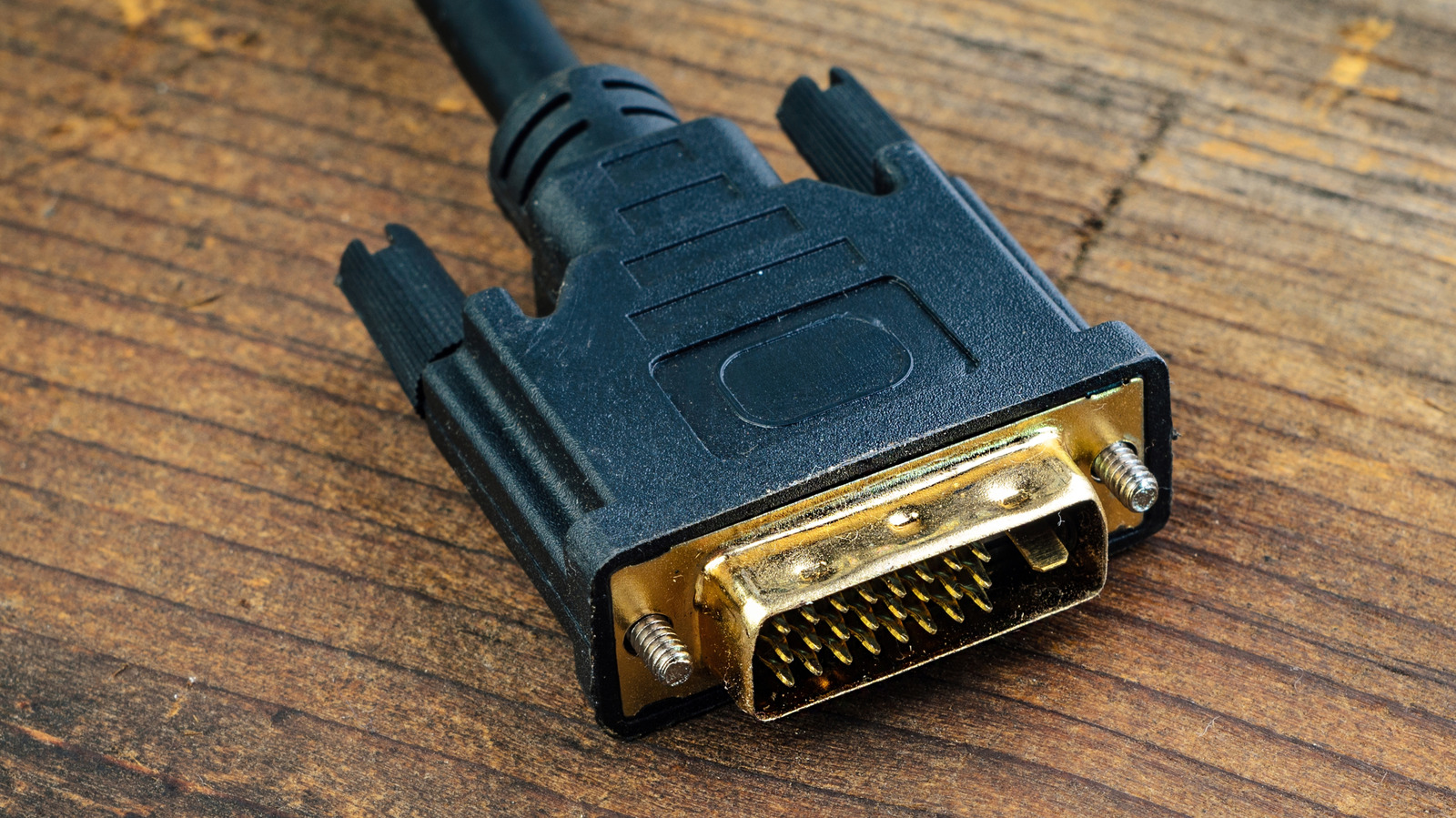
DVI has largely given way to HDMI and DisplayPort, but it remains in some older PC setups, office projectors and retail kiosk displays. Engadget reports that a DVI cable can still connect to an HDMI display with a simple adapter in many cases.
DVI-D and DVI-I share a digital video protocol with HDMI, so a passive adapter can reroute the pins without a conversion chip or external power. DVI-A is different: as an analogue standard, it requires active conversion.
The connection’s limits matter. DVI carries no audio, so users need a separate audio solution. At 60Hz, Engadget gives maximum resolutions of 1,920 × 1,200 for single-link DVI and 2,560 × 1,600 for dual-link.
Supported resolution depends on the DVI type, link configuration and connected equipment. Engadget says higher resolutions may be possible at lower refresh rates, but does not specify supported combinations.
DVI first appeared in products such as Apple’s Cinema Display in 1999, before HDMI and DisplayPort became the dominant standards. Engadget recommends connecting directly through HDMI or DisplayPort when those ports are available.