Battery size alone does not determine how long a device runs
Engadget’s explainer separates stored energy from runtime, which also depends on usage, efficiency, temperature and battery age.
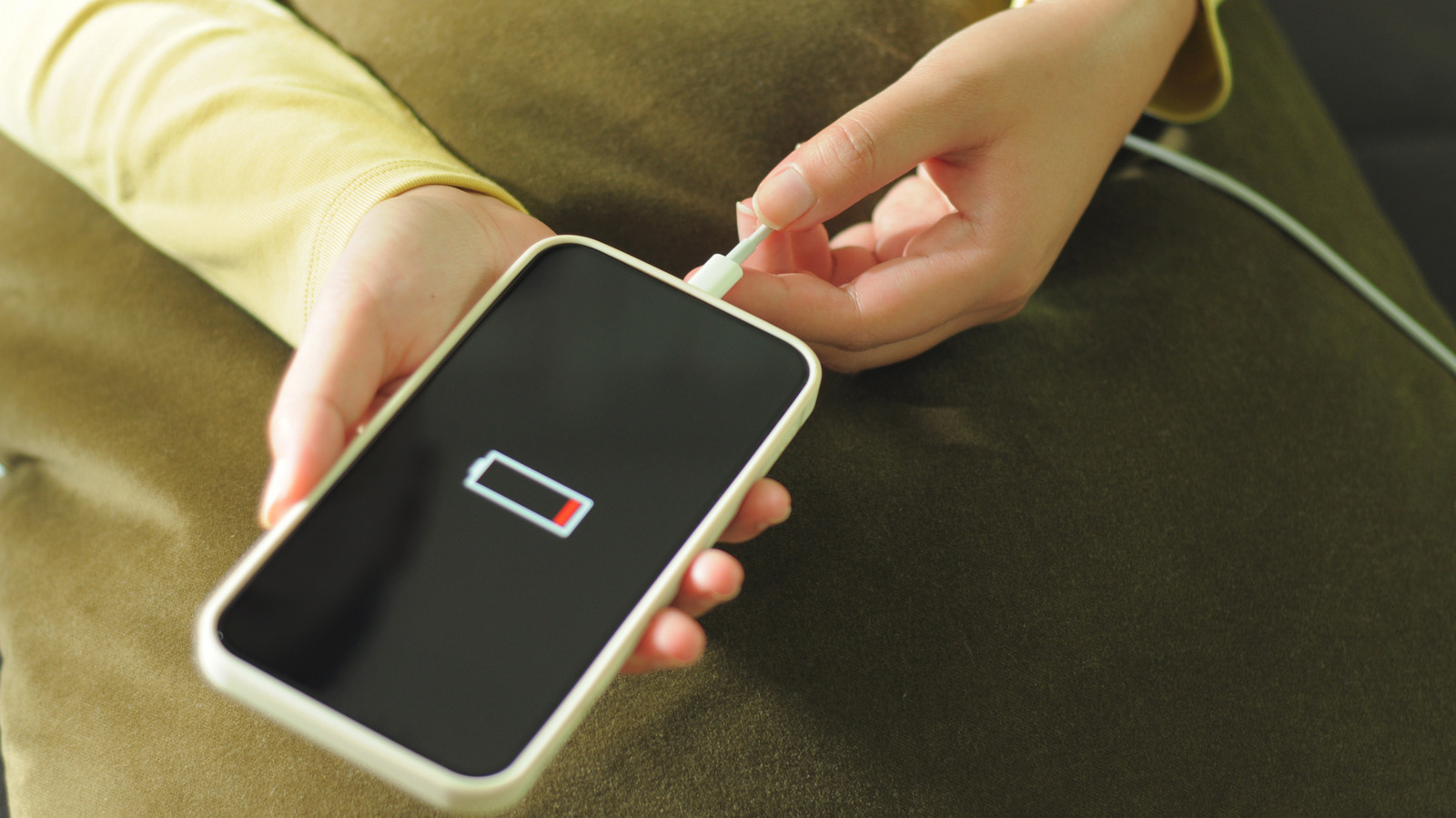
Battery capacity measures how much energy a battery can store. Battery life measures how long a device runs before needing a recharge. Engadget’s explainer notes that the two are related, but capacity alone cannot predict runtime.
Capacity is commonly expressed in milliampere hours for phones and power banks, and watt hours for laptops. A larger figure can mean more energy available, but a device’s power use matters: intensive gaming, a large screen or background activity can drain a battery faster.
Battery health compares current capacity with the battery’s capacity when new. It declines with age and charge cycles. Engadget uses Google’s Pixel 8a as an example, saying Pixel devices are rated to retain up to 80 per cent capacity for 1,000 full charge cycles.
Runtime also varies with temperature and hardware and software efficiency. Charging a power bank is not perfectly efficient either; the article says normal charging typically loses 20 to 30 per cent, with greater losses from fast and wireless charging.
To reduce drain, Engadget suggests lowering screen brightness, limiting unnecessary background activity, updating the operating system and checking which apps use the most power. It also recommends keeping charge between 20 and 80 per cent where possible to slow battery wear, while noting that batteries age over time regardless.