DRC Health Minister Warns of 50 Per Cent Lethality as Ebola Death Toll Hits 80
With no vaccine or specific treatment available for the current strain, the Africa Centres for Disease Control and Prevention has raised alarms over rapid cross-border transmission in a densely populated region.
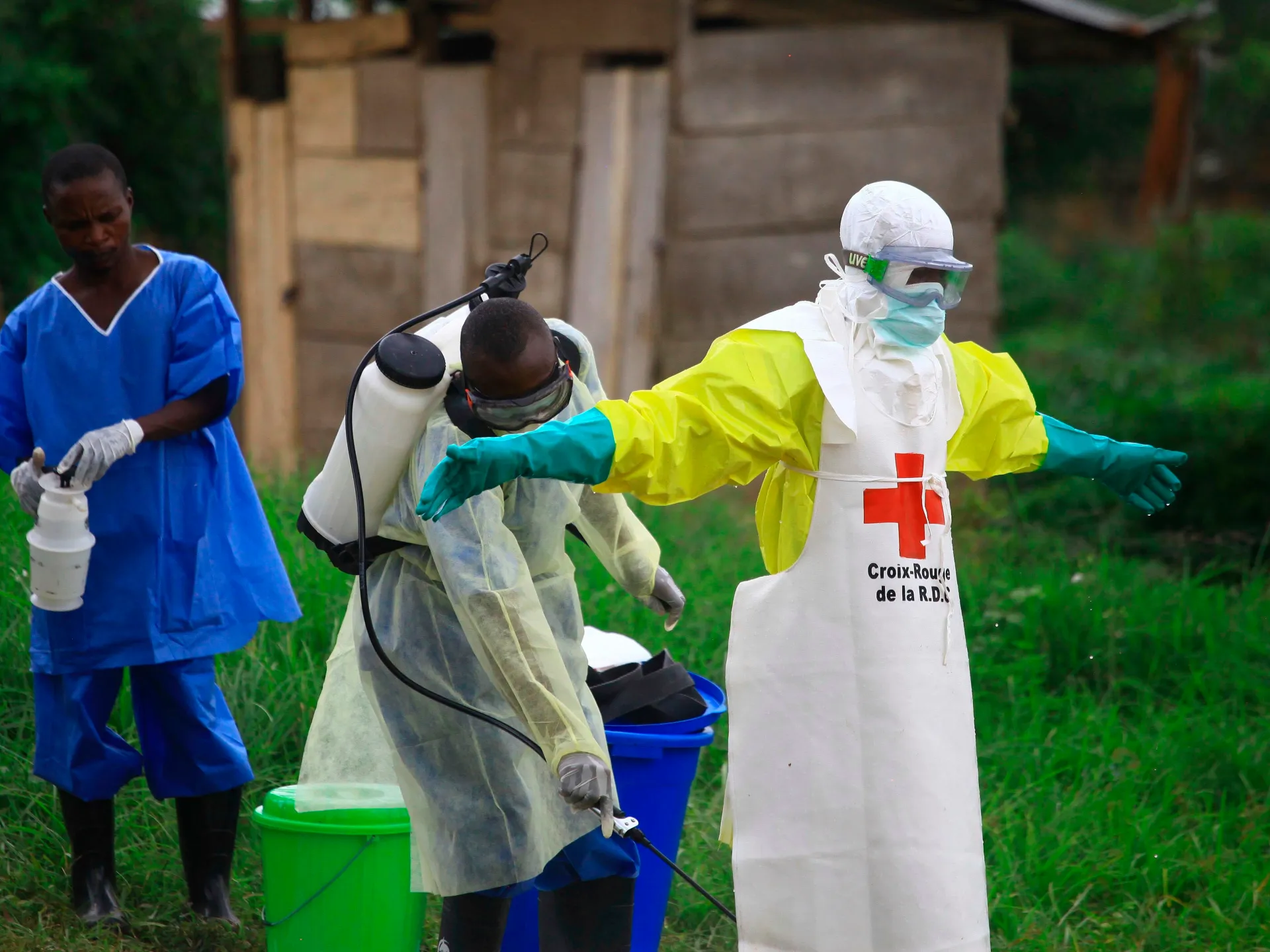
The Democratic Republic of the Congo has confirmed 80 deaths from its seventeenth Ebola outbreak, with nearly 250 suspected cases recorded in the Ituri province. DRC Health Minister Samuel-Roger Kamba warned on Saturday that the Bundibugyo strain, which lacks a vaccine or specific treatment, carries a lethality rate that can reach 50 per cent. The death toll rose sharply from 65 fatalities reported the previous day, underscoring the rapid progression of the crisis in the northeastern region.
The outbreak is concentrated in the health zones of Bunia, Rwampara, and Mongwalu. The index case was identified as a nurse who reported to a health facility in Bunia on 24 April with symptoms suggestive of Ebola. Testing at the National Institute of Biomedical Research has confirmed the Bundibugyo strain in eight of 13 blood samples, while five samples could not be analysed due to insufficient volume.
Cross-border transmission has already occurred, with one death confirmed in neighbouring Uganda. A 59-year-old DRC national died in Kampala after being admitted earlier in the week; his body was repatriated and subsequent tests confirmed infection with the Bundibugyo strain. This development has intensified concerns regarding the management of outbreaks in regions with porous borders and high population density.
The Africa Centres for Disease Control and Prevention (Africa CDC) has expressed concern over the potential for rapid spread, citing logistical challenges and the proximity of affected areas to Uganda and South Sudan. The agency highlighted the high volume of cross-border travel to and from the region as a key factor complicating containment efforts.
Medical aid organisations are actively responding to the crisis. Doctors Without Borders (MSF) and the International Federation of Red Cross and Red Crescent Societies (IFRC) have deployed resources to the region. MSF emergency programme manager Trish Newport described the number of cases and deaths in such a short timeframe as extremely concerning, while IFRC secretary-general Jagan Chapagain emphasised the need for timely, coordinated action and community engagement to stop the epidemic.