DRC Establishes Paramilitary Unit to Secure Mining Sector Amidst Foreign Funding
The Democratic Republic of the Congo has announced the creation of a paramilitary force designed to protect mining operations and reassure international investors, with recruitment targets set for 2028.
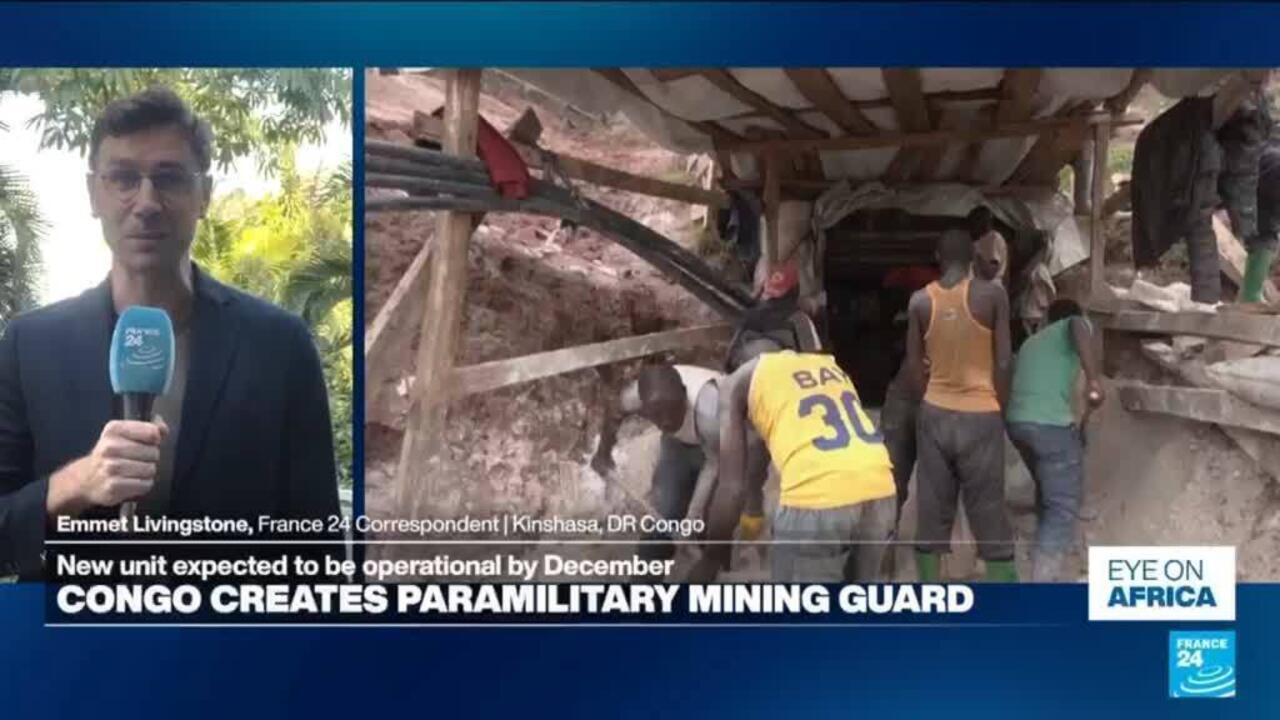
The Democratic Republic of the Congo has officially announced the establishment of a dedicated paramilitary force tasked with securing its mining sector. This strategic initiative marks a significant shift in the nation's approach to resource governance, moving towards a more robust security apparatus to manage the intensifying global competition for critical minerals.
Funding for the new unit is being provided by the United States and the United Arab Emirates. According to reporting from Kinshasa by FRANCE 24 correspondent Emmet Livingstone, this external financial backing underscores the geopolitical importance attached to the DRC's mineral reserves. The involvement of these two nations highlights the broader trend of international stakeholders seeking to stabilise supply chains through direct state intervention.
The paramilitary unit is projected to expand to a strength of over 20,000 personnel by 2028. While the specific timeline for initial deployment remains unconfirmed, the scale of the recruitment drive indicates a long-term commitment to restructuring security within the industry. This expansion aims to address previous security challenges characterised by artisanal mining conflicts and a lack of consistent state presence in key extraction zones.
The primary objectives of the force are threefold: to protect mining operations from physical threats, to strengthen state control over the sector, and to reassure international investors. By consolidating authority, the government intends to capture greater value from its resources and ensure that the extraction process aligns with national strategic interests. However, the exact operational mandate and rules of engagement for the paramilitary unit have not yet been detailed in public reports.
The announcement coincides with a broader global movement where nations are tightening their grip on resource extraction to secure supply chains. Yet, the reliance on foreign funding introduces potential complexities regarding sovereignty and external influence that require careful monitoring. The legal distinction between this new paramilitary body and the regular military, including oversight mechanisms, has not been fully elaborated, leaving questions regarding the force's status open.
While the initiative promises enhanced security, the long-term efficacy of the force in mitigating threats without escalating local tensions remains to be determined. Claims that the unit will successfully strengthen state control may face implementation challenges or resistance from local communities accustomed to informal mining practices. The coming years will test whether this externally funded security model can deliver stability without creating new geopolitical friction.