DRC Ebola outbreak strains response amid conflict and diagnostic delays
The Democratic Republic of the Congo is grappling with its largest recorded Ebola outbreak, complicated by active conflict zones and the clinical complexity of the Bundibugyo strain.
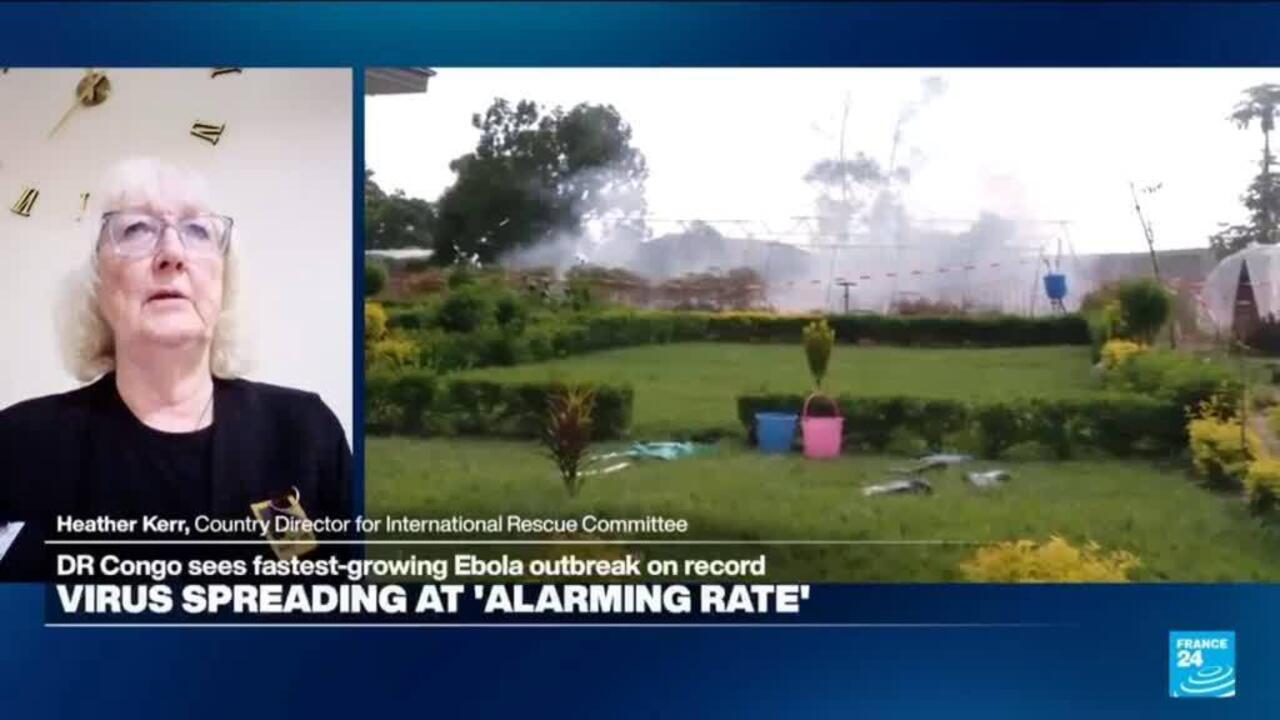
The Democratic Republic of the Congo is currently managing the largest Ebola outbreak in its history, driven by the Bundibugyo strain. The virus circulated undetected for several months prior to identification, a delay that has significantly complicated initial containment efforts.
Heather Kerr, Country Director for the International Rescue Committee (IRC), outlined the multifaceted challenges facing the humanitarian response. She noted that the outbreak’s scale is compounded by the difficulty in distinguishing the Bundibugyo strain from other common febrile illnesses, leading to delayed diagnosis and subsequent spread within affected communities.
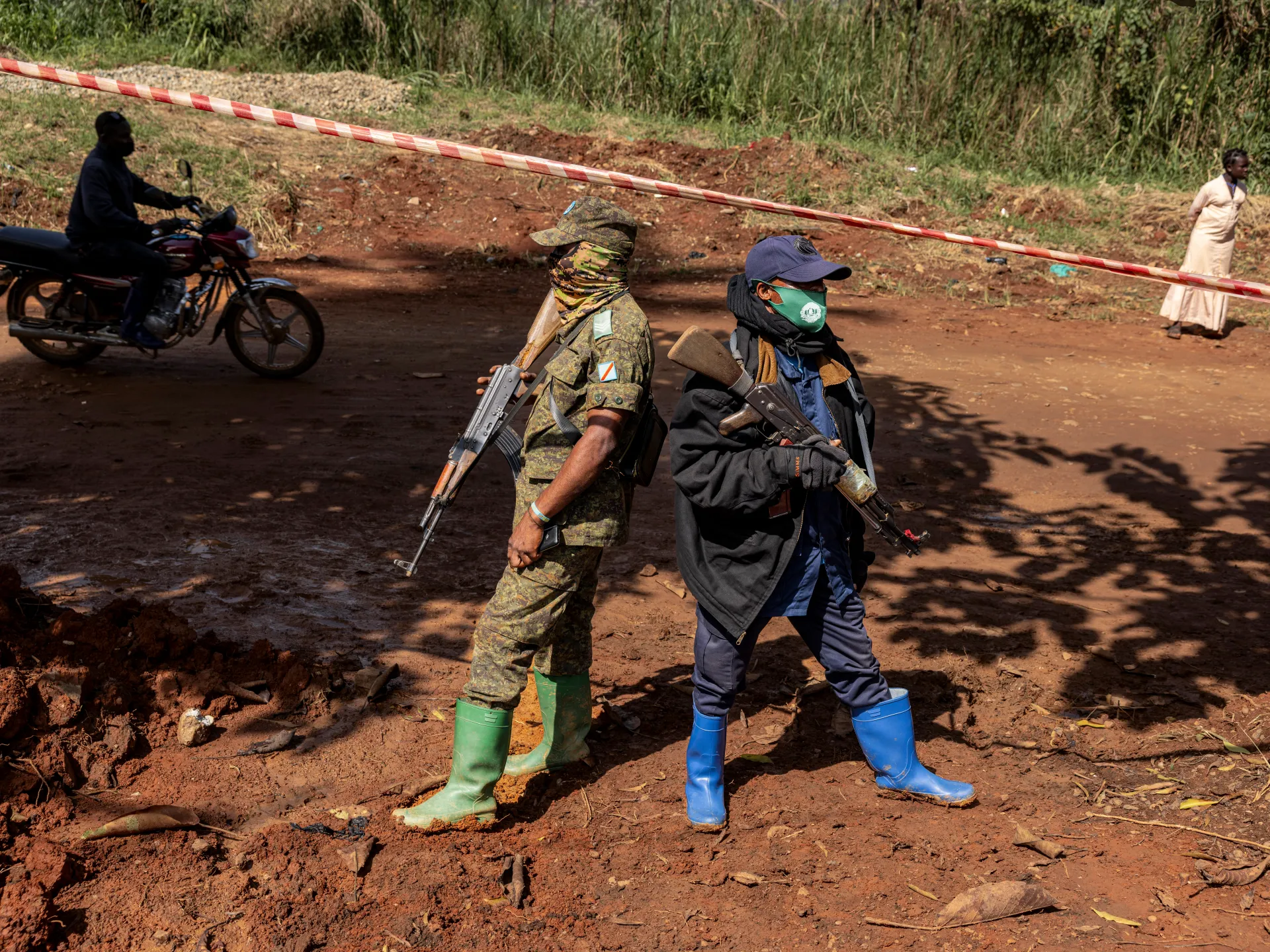
Operational access remains severely restricted by the security landscape. Kerr emphasised that active conflict and the presence of armed groups are impeding the movement of health workers and the delivery of essential medical supplies. These security constraints create a volatile environment where standard public health protocols are difficult to implement effectively.
The diagnostic complexity of the Bundibugyo strain adds another layer of difficulty to the response. Unlike other Ebola strains, this variant presents symptoms that are easily confused with other regional diseases, allowing the virus to persist in populations before being correctly identified by health authorities.
The International Rescue Committee continues to monitor the situation closely as the outbreak expands. The combination of diagnostic uncertainty and active hostilities presents a significant governance and humanitarian challenge for authorities attempting to curb the transmission of the virus.