DRC Ebola crisis deepens as health workers strike over unpaid wages and safety failures
Health workers in the Democratic Republic of the Congo face mob attacks, insufficient protective equipment, and months of unpaid salaries while battling a severe Ebola outbreak that has killed more than 1,000 people.
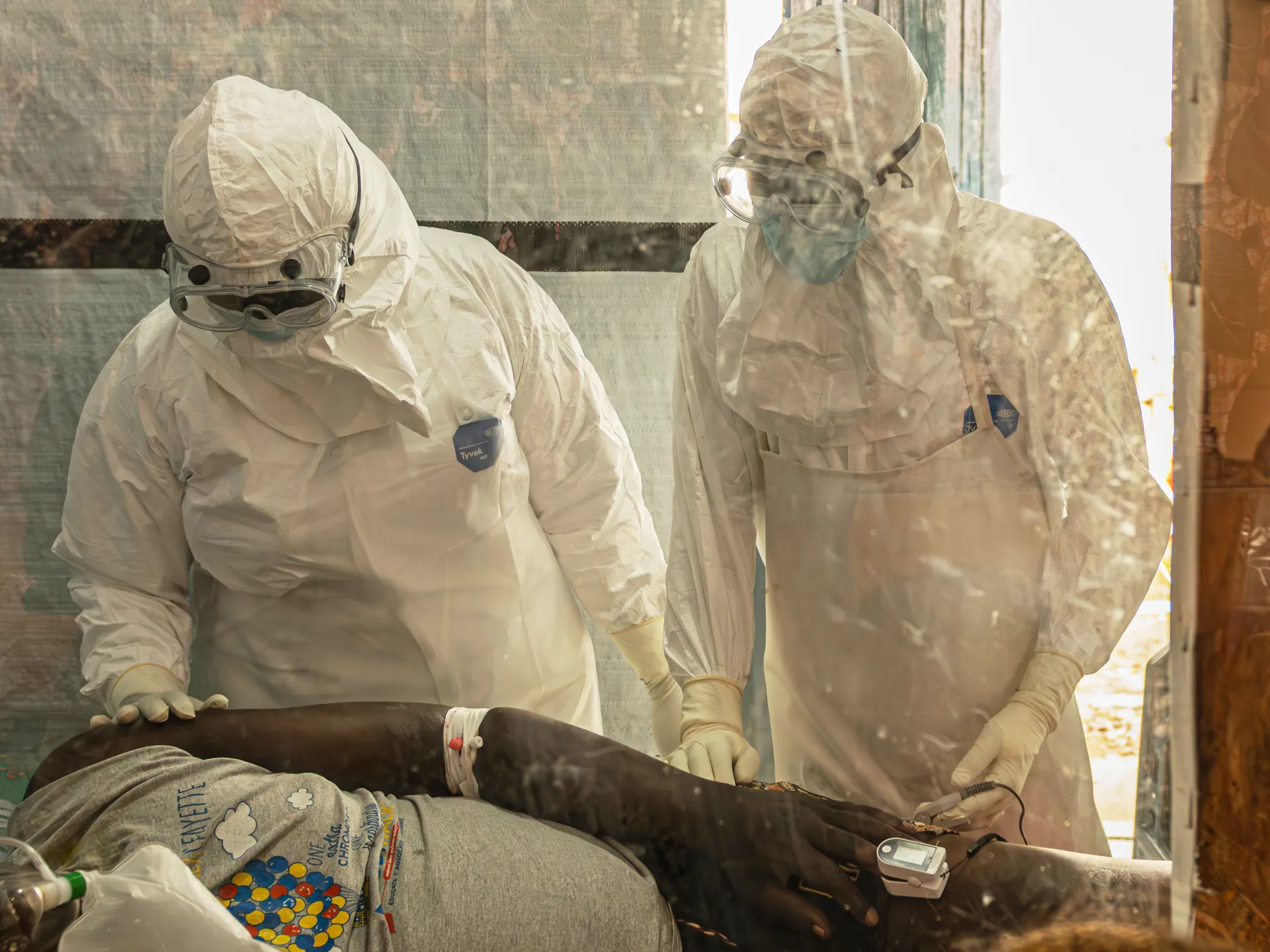
The World Health Organization has warned that the ongoing Ebola outbreak in the Democratic Republic of the Congo could rank among the most severe in history, driven by the rare Bundibugyo strain which currently has no approved treatments or vaccines. By 21 July 2026, the virus had claimed more than 1,000 lives and infected over 2,500 people in the DRC, with 20 cases and two deaths reported in neighbouring Uganda. The crisis is centred in Ituri province, a region marked by protracted conflict and high levels of community distrust, where delayed detection and weakened surveillance systems have allowed the virus to spread for weeks before an official declaration on 15 May.
Frontline health workers are operating under conditions that have sparked industrial action and drawn international attention to systemic failures in the response. Dozens of staff at Rwampara General Hospital in Bunia went on strike last week due to unpaid salaries, a grievance shared by workers across the region who have not received wages since their mobilisation in May. The hospital, which houses a major Ebola treatment centre, has become a focal point of the crisis after its facilities were partially burned down by angry residents in May, highlighting the volatile environment in which medical staff are trying to contain the outbreak.
The human cost of the epidemic extends beyond the virus itself, with more than 100 health workers infected and approximately 35 dying during the response efforts. Ghislain Maneba, an epidemiologist at Rwampara General Hospital, described the emotional toll of the outbreak, citing the recent funeral of a fellow doctor who succumbed to the disease. Maneba noted that while protective equipment such as boots and gloves has been provided, it remains insufficient for the scale of the operation, and logistical support including work vehicles and food has failed to materialise despite media announcements.
Community scepticism has further complicated containment efforts, with many residents rejecting hygiene advice and spreading conspiracy theories that the disease is either a punishment from ancestors or a population control measure. Paluku Audrey, a community engagement officer at the same facility, reported being detained and stoned by young people who accused her of exaggerating the threat for profit. Audrey, who lives more than 10 kilometres from the hospital, stated that unpaid salaries force her and her colleagues to walk to work or rely on unpaid transport, leaving them vulnerable to both infection and mob violence in hostile neighbourhoods.
Analysts attribute the severity of the current outbreak to a combination of factors, including global health aid cuts that have eroded disease surveillance capabilities and the unique challenges posed by the Bundibugyo strain. The speed of the outbreak is stark when compared to previous epidemics; during the 2018 outbreak in the DRC, it took more than 10 months for cases to reach 2,000, whereas the current crisis has surpassed that threshold in a fraction of the time. Health workers are urging international donors to exert pressure on the government to ensure timely payment and adequate resource deployment to stabilise the response.