DR Congo Ebola death toll reaches 101 as armed groups block response efforts
The Democratic Republic of the Congo reports 550 cases amid conflict in Kivu provinces, prompting regional border closures and travel bans.
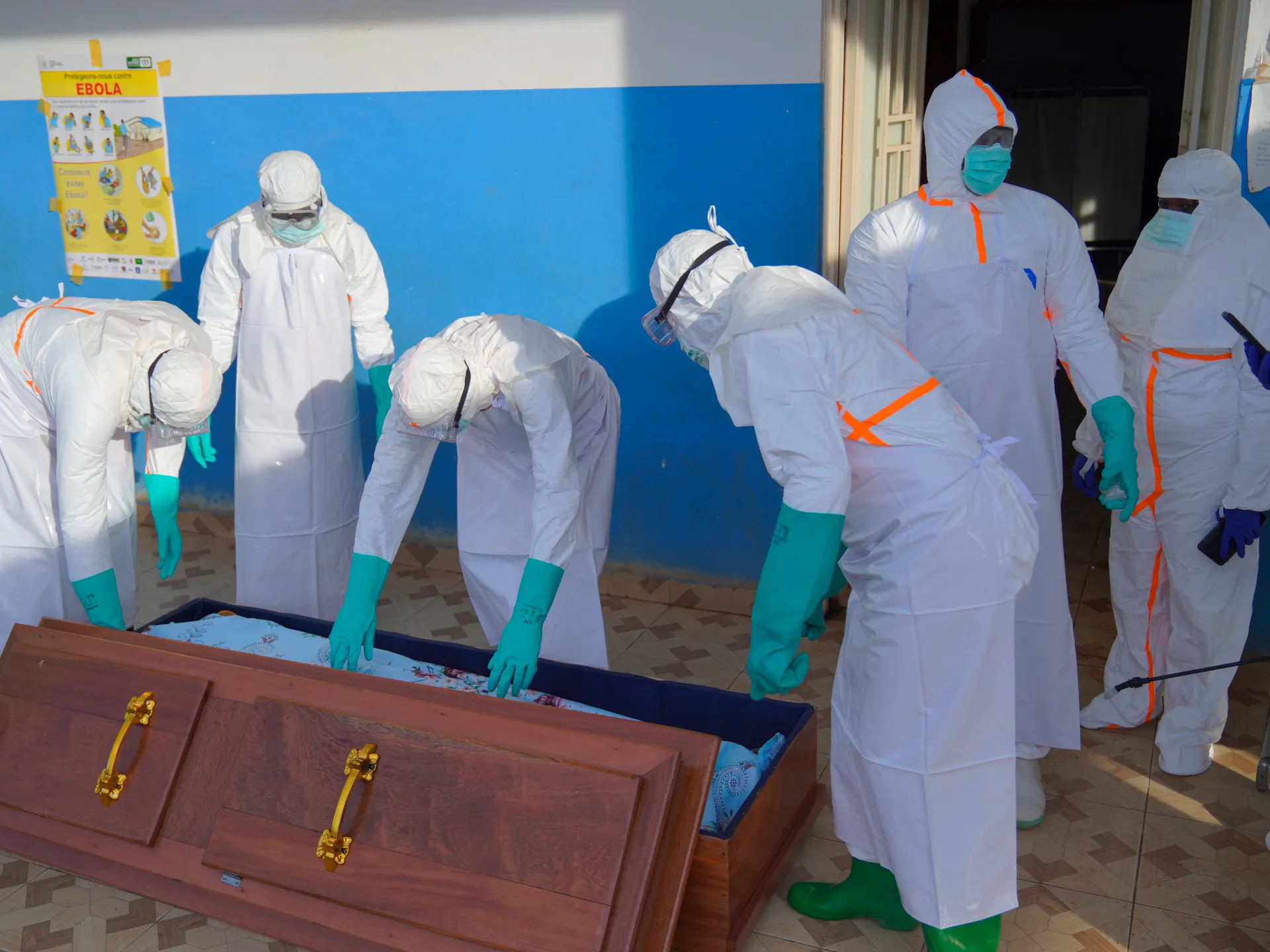
The Democratic Republic of the Congo has reported 101 confirmed deaths from Ebola, bringing the total number of cases to 550 in what is now the country’s 17th outbreak since the virus was first identified in 1976. In its latest situation report on Monday, the DRC government recorded 35 new confirmed cases and 10 deaths in the preceding 24 hours, signalling a continued surge in infections.
The outbreak, caused by the Bundibugyo strain, was officially announced on 15 May, although officials have acknowledged it likely circulated undetected for several weeks. This delay has left health authorities struggling to contain the virus, which is now concentrated in the conflict-affected provinces of Ituri, North Kivu, and South Kivu. The latest cases were identified across 17 health zones in Ituri, seven in North Kivu, and one in South Kivu.
Humanitarian access remains severely compromised by the presence of armed groups in the region. The government report highlighted that militants in the Ituri districts of Djugu, Irumu, and Mambasa are actively limiting access to affected health zones. On Sunday, a burial team was attacked at the Nyamurongo cemetery in Bunia, the capital of Ituri, resulting in two serious injuries and damage to two vehicles. Researchers note that more than 120 armed groups operate in these provinces, with conflict fuelled by ethnic tensions, political rivalries, and competition for natural resources.
The World Health Organization declared a public health emergency over the outbreak in mid-May. WHO Director-General Tedros Adhanom Ghebreyesus cited the region’s status as a mining zone with high levels of population movement as a significant risk factor for spread. Unlike the Zaire strain, there is currently no approved vaccine or treatment for the Bundibugyo strain, and two potential vaccine candidates are not yet ready for human trials.
Neighbouring Uganda has recorded 19 cases and two deaths, with all but five involving Congolese nationals who crossed the border. One confirmed case in Uganda involved a citizen who had previously travelled to the United Arab Emirates. In response, the UAE and Mauritius have announced bans on travellers arriving from the DRC, Uganda, and South Sudan, while Uganda has closed its border with the DRC. Tedros, who visited Uganda on Monday, urged authorities to reconsider the blanket border closure, stating that such restrictions are ineffective.