DR Congo Ebola crisis surpasses historical death toll as fatality rates climb
The outbreak has killed 2,325 people, overtaking the 2018-2020 epidemic, while the case fatality ratio reaches 46 percent due to weak infrastructure and conflict.
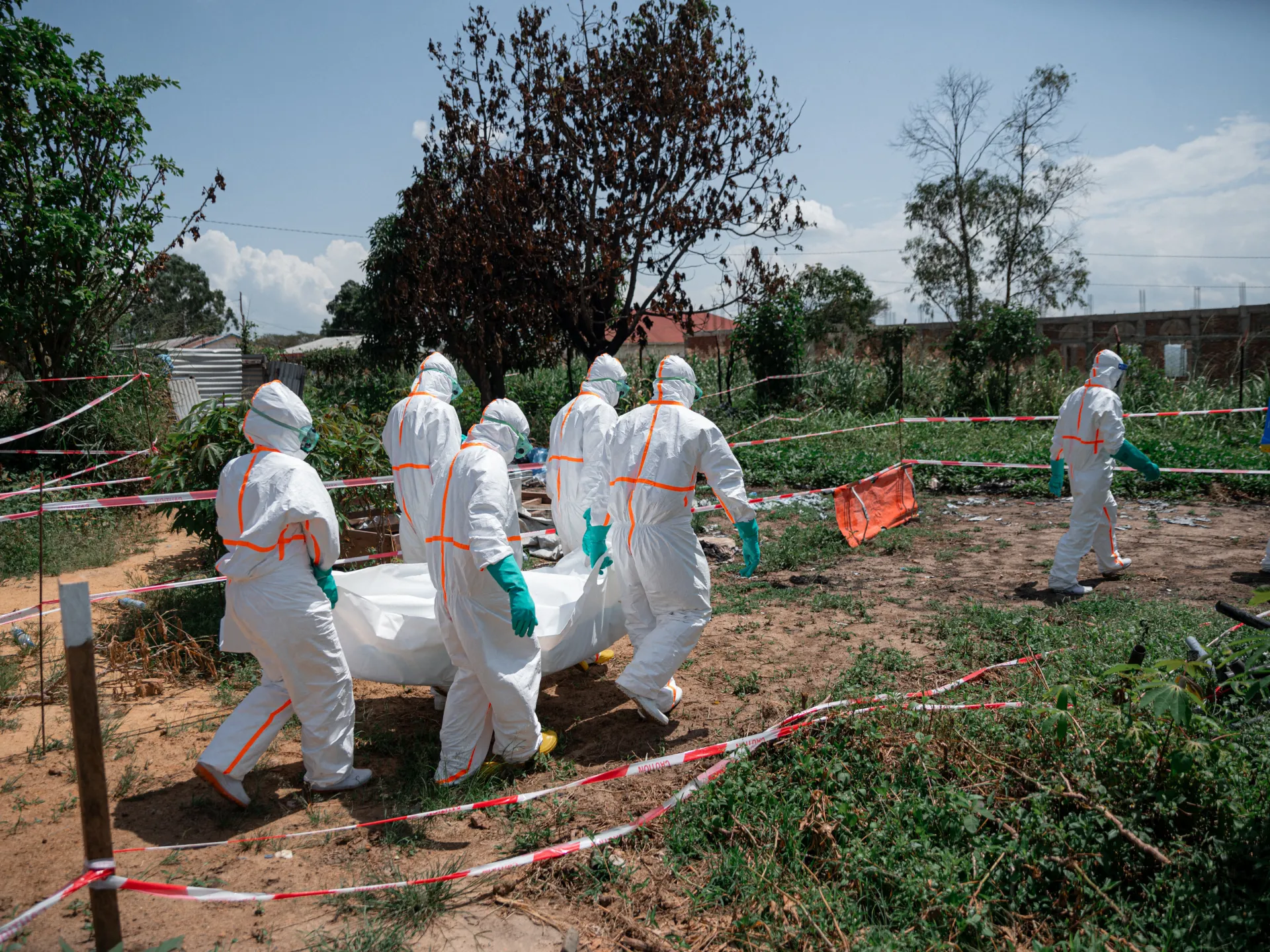
The Ebola outbreak in the Democratic Republic of the Congo has officially become the deadliest in the nation’s history, with the death toll now standing at 2,325. This figure surpasses the 2,299 fatalities recorded during the 2018-2020 epidemic, marking a significant escalation in a crisis that the United Nations has described as the fastest growing on record.
According to the latest report from the DRC’s National Public Health Institute, confirmed infections have risen to 4,945. The data includes 101 new cases detected within the previous 24 hours, underscoring the rapid transmission of the virus. The outbreak, which is the country’s 17th, had already reached the highest case count in late July, but the acceleration in mortality has now shifted the historical record.
Tom Fletcher, the United Nations humanitarian chief, issued a stark assessment of the situation, stating that “Ebola is winning in the Democratic Republic of the Congo.” In a statement on Friday, Fletcher urged immediate action, calling for “speed, scale, and solidarity” to prevent the virus from getting further ahead of containment efforts. He warned that without a rapid response, the crisis could spiral beyond current control capacities.
The current strain, identified as the Bundibugyo species, presents unique challenges for global health authorities as there are no approved vaccines or treatments specifically for this variant. World Health Organization Director-General Tedros Adhanom Ghebreyesus noted on Wednesday that at its current pace, the outbreak is on track to eclipse the 2014-2016 West African epidemic, which killed more than 11,000 people and previously accelerated vaccine development.
The case fatality ratio has risen sharply from approximately 20 percent in early June to 46 percent, meaning nearly half of all confirmed infections are now fatal. Thomas Parisch, a public health specialist deployed with Doctors Without Borders, highlighted that this trend is unusual. He noted that the ratio typically falls as contact tracing improves, but in this instance, many cases are being detected late, often only after patients have died in the community.
Response efforts have been severely hampered by a combination of weak health infrastructure, the remoteness of affected areas, and ongoing conflict near the borders with South Sudan, Uganda, and Rwanda. While a small number of experimental vaccines and therapies are being evaluated, current evidence remains limited to animal studies, leaving health workers with few tools to combat the high mortality rate.