DR Congo declares historic Ebola crisis as cases surpass 5,000
Government data confirms the Democratic Republic of Congo is facing its deadliest Ebola epidemic in history, with the death toll reaching 2,378 as containment efforts stall.
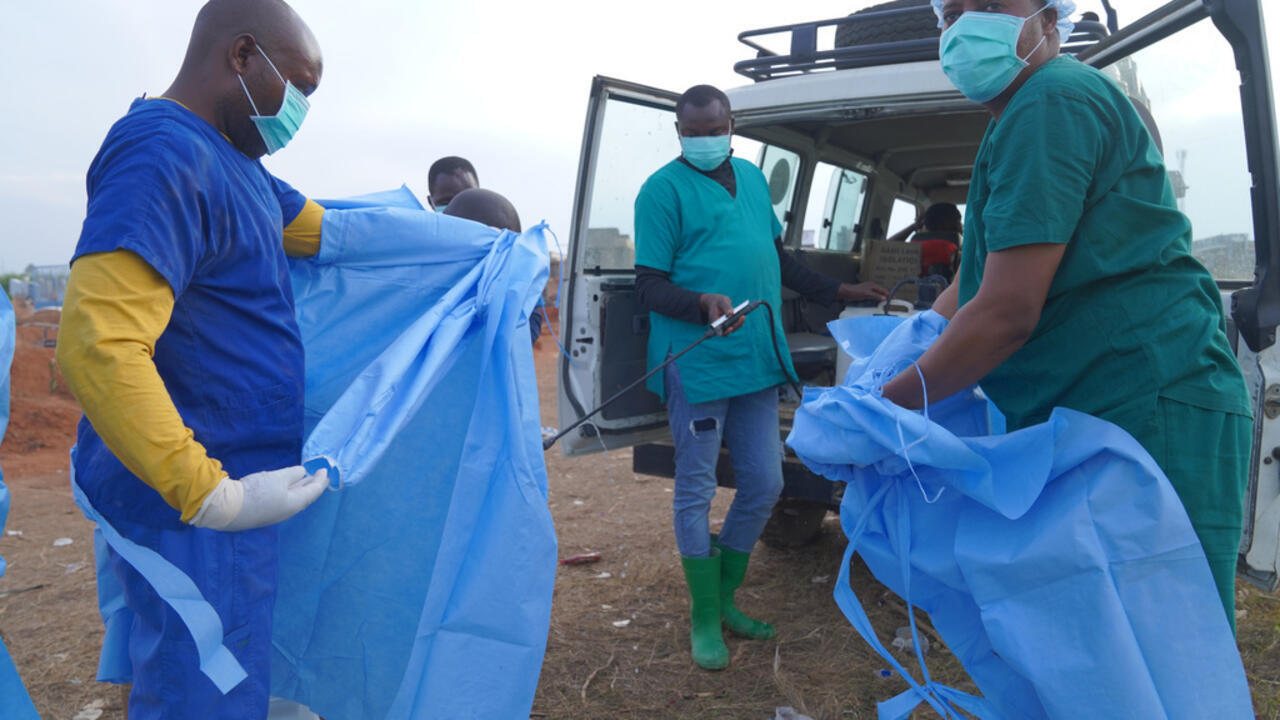
The Democratic Republic of Congo is confronting the most severe Ebola epidemic in its national history, with government figures confirming that confirmed cases have exceeded 5,000. The public health institute reported late on Tuesday that the total number of logged cases has reached 5,021, marking a significant escalation in a crisis that has now become the country’s deadliest outbreak on record.
The current epidemic, which is the 17th Ebola outbreak in the nation’s history, officially surpassed the mortality and infection counts of the 2018-2020 crisis to claim the title of the country’s worst. Globally, the outbreak now ranks as the second-worst in terms of both infections and deaths, trailing only the 2014 to 2016 epidemic in West Africa. The death toll reached 2,378 over the weekend, underscoring the lethal trajectory of the virus.
Health authorities have identified the Bundibugyo species of Ebola as the causative agent for this outbreak. Unlike other strains that have circulated in recent years, the Bundibugyo species currently lacks approved vaccines or specific medical treatments. This absence of medical countermeasures presents a significant challenge for containment strategies, leaving public health officials with limited tools to mitigate the spread of the virus.
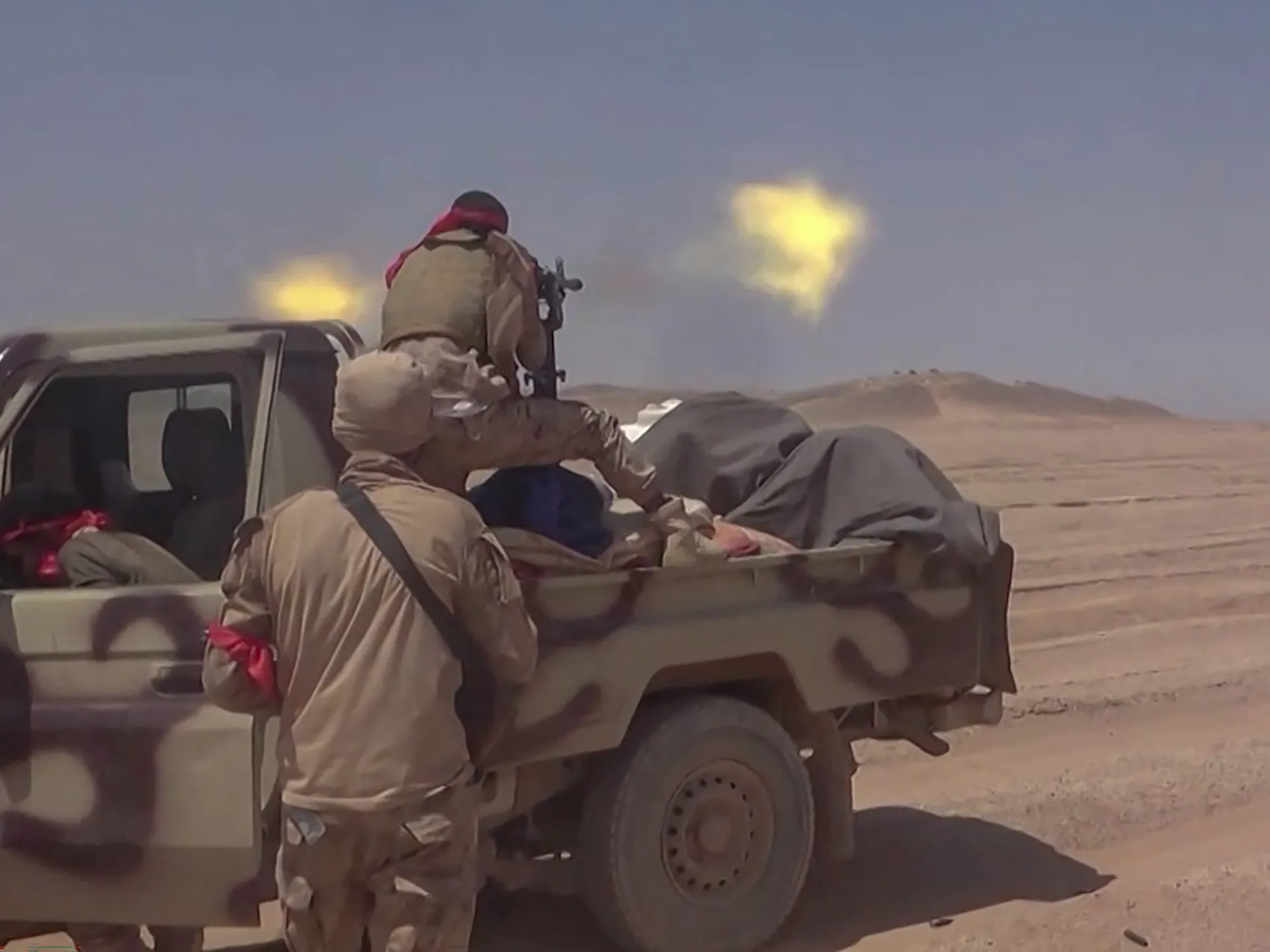
The epidemic, which was declared on May 15, has gained considerable momentum due to a confluence of systemic and social obstacles. Response efforts are being severely hampered by weak health infrastructure, which limits the capacity to isolate and treat patients effectively. Furthermore, instability in affected regions and active protests by response workers have disrupted operational continuity and hindered the identification of new cases.
Community resistance remains a critical barrier to effective disease control. Despite the rising death toll, local pushback has impeded the ability of health teams to conduct contact tracing and implement necessary safety protocols. The combination of these factors has created a complex governance challenge, as authorities struggle to enforce containment measures in an environment characterised by both infrastructural deficits and social unrest.