Dolly Parton’s legacy defined by institutional battles and cultural reach
A BBC retrospective highlights how the late singer’s legal disputes over publishing rights and her philanthropic investments shaped her enduring impact on the music industry.
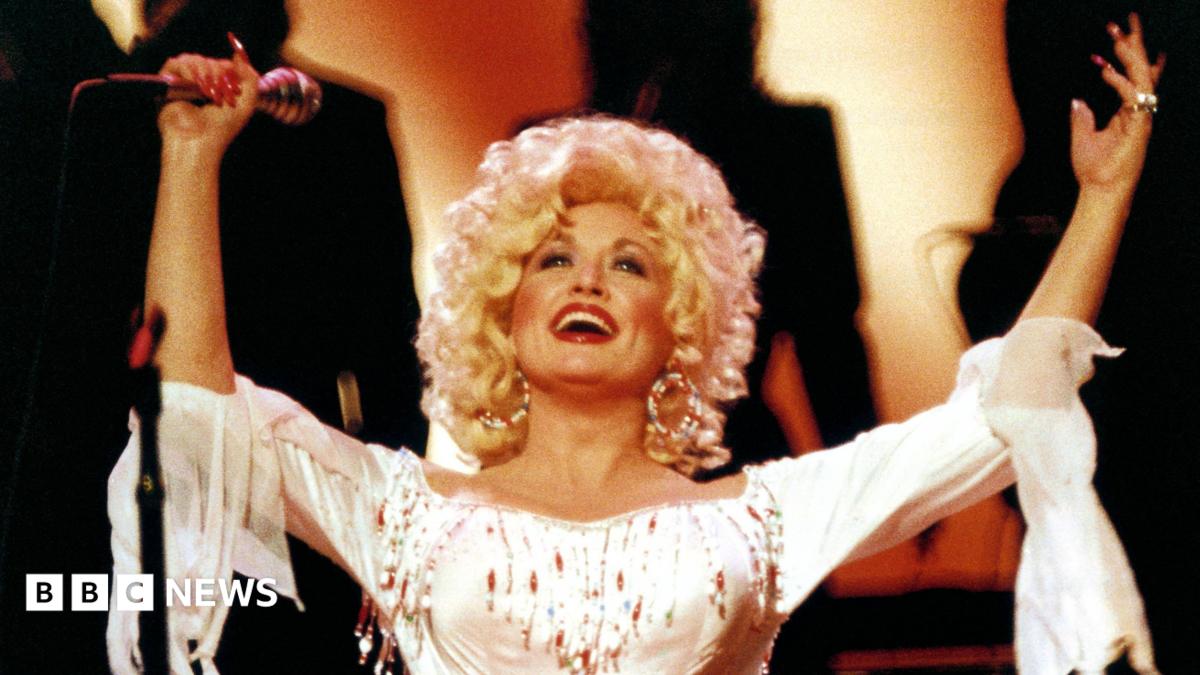
BBC music correspondent Mark Savage has published a retrospective examining the legacy of the late singer Dolly Parton, focusing on her "steely determination" and her profound influence on the music industry. The article positions Parton not merely as a performer, but as a figure who navigated the structural inequalities of her time through both artistic output and strategic legal manoeuvring.
The piece details the origin of Parton’s 1980 hit "9 To 5," which became her only US number one as a solo artist and earned an Oscar nomination for best song. According to the report, Parton created the song’s distinctive beat by strumming her acrylic nails together because her guitar was banned from the film set. The track’s lyrics, which critique the corporate treatment of women, are described as tapping into universal frustrations about working life.
Savage’s analysis extends to Parton’s early career, noting her 1967 breakthrough on The Porter Wagoner Show. This partnership eventually led to a breach of contract lawsuit in 1979, which was settled for approximately $1m. The article suggests that this early experience with contractual disputes laid the groundwork for her later, more high-profile battles over intellectual property.
A central theme of the retrospective is Parton’s refusal to treat her music as a mere commodity. The article recounts her 2020 comments on Reba McEntire’s podcast, where Parton explained her decision to withhold half the publishing rights to "I Will Always Love You" from Elvis Presley’s manager, Colonel Tom Parker. Despite the commercial potential of a Presley cover, Parton prioritised leaving the rights to her family, a decision she described as crying over all night but ultimately standing by.
The financial and social implications of these rights are further illustrated by the 1992 Whitney Houston recording of the same song. The report notes that Parton retained the rights and earned enough money to buy Graceland, the former Elvis Presley mansion. She subsequently invested these earnings into a black neighbourhood in Nashville, Tennessee, a move framed as an apt way to honour Houston’s legacy.
The article concludes by drawing a line between Parton’s institutional battles and the contemporary actions of Taylor Swift, who led tributes following Parton’s death. Swift acknowledged Parton’s "backbone of steel" in defending her self-worth as an artist. Savage speculates that Parton’s example may have influenced Swift’s decision to re-record her back catalogue to reclaim royalties from hedge funds, noting that Parton herself praised Swift’s strategy as "genius."