Doha expands diplomatic outreach as US and Iran mediation efforts intensify
Prime Minister Sheikh Mohammed bin Abdulrahman Al Thani engages directly with Washington officials while LNG shipments resume passage through the Strait of Hormuz
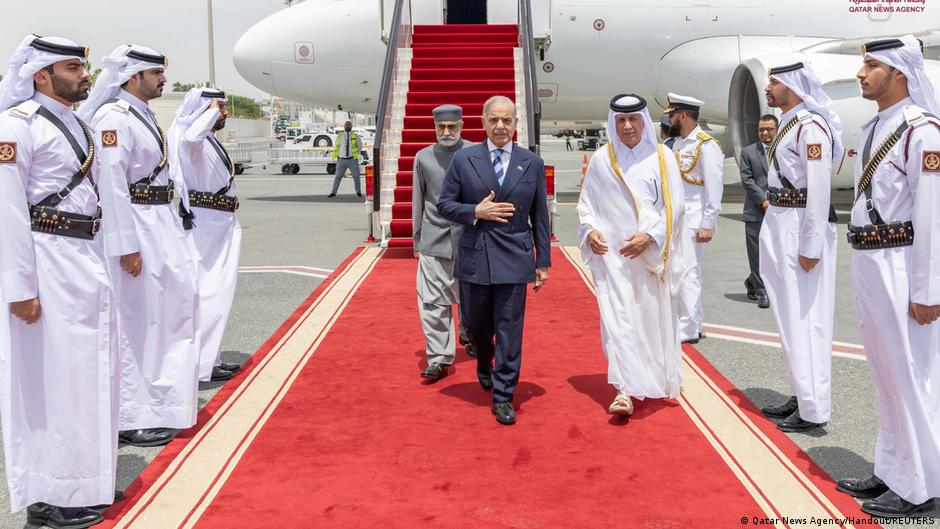
Doha is significantly expanding its diplomatic footprint in the wake of the ongoing conflict between the United States and Iran. Amidst a backdrop of regional instability, Qatari Prime Minister and Minister of Foreign Affairs Sheikh Mohammed bin Abdulrahman Al Thani has initiated high-level contacts with officials from Iran, Saudi Arabia, Pakistan, Turkey, and Kuwait. These discussions focus on de-escalating regional tensions and facilitating a path toward a permanent resolution to the war.
The Gulf state's direct engagement with the American administration marks a notable shift in its mediation strategy. In recent days, Sheikh Al Thani held meetings with US Vice President JD Vance, Secretary of State Marco Rubio, and White House envoy Steve Witkoff. While Doha continues to publicly support Pakistan's leading role in negotiations, these direct interactions suggest a broader, more active diplomatic initiative aimed at bridging the divide between Tehran and Washington.
Analysts indicate that the United States is increasingly relying on Qatar due to its unique historical experience and intimate knowledge of the Gulf security landscape. Experts note that while other mediators lack this depth, Qatar maintains close ties with diverse actors, including those often labelled as rogue states or non-state groups, a strategy frequently aligned with US interests. This complementary role positions Doha as a critical behind-the-scenes player in efforts to end the conflict.
The diplomatic push comes despite severe challenges to Qatar's own infrastructure and economy. Following Iranian strikes in March, the nation was forced to suspend production at its main Ras Laffan gas facility. Furthermore, Iran's closure of the Strait of Hormuz has halted oil exports from Qatar, Bahrain, and Kuwait, while sharply restricting shipments from Oman, Saudi Arabia, and the United Arab Emirates. The small Gulf state, which remains the world's second-largest liquefied natural gas producer, relies heavily on this critical trade route for its LNG exports.
Signs that tensions may be easing emerged recently when a Qatari LNG tanker bound for Pakistan successfully passed through the Strait of Hormuz for the first time since the war began on 28 February. Reports indicate that a second tanker is now approaching the strait. News agency Reuters stated that Iran has reportedly approved these transfers to build confidence with its mediators, Qatar and Pakistan, suggesting a potential thaw in the immediate hostilities.
However, experts caution that while Qatar plays a vital role, the ultimate resolution remains dependent on the United States and Iran. Analysts from institutions such as Chatham House and the Arab Gulf States Institute emphasise that the war's binary dynamic imposes structural constraints on regional peacemakers. For any bilateral agreement to hold, regional buy-in from Gulf states will be essential to ensure longer-term stability after a deal emerges.