Displaced Lebanese return south under fragile ceasefire deal
Civilians begin heading back to southern Lebanon as diplomatic pressure mounts to stabilise the region.
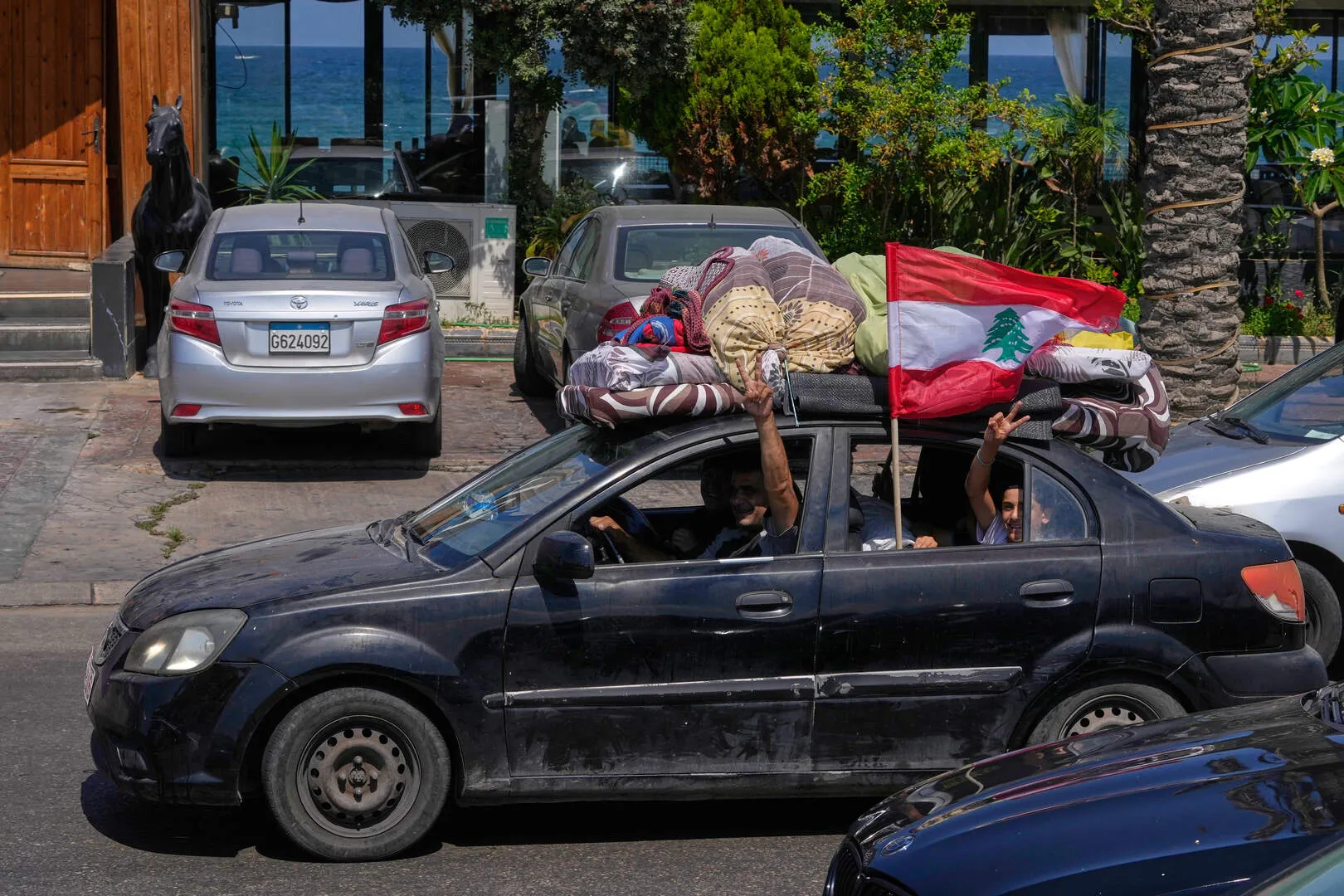
Displaced Lebanese civilians are returning to the south of the country following the implementation of a ceasefire agreement. The deal, which has been characterised as fragile, marks the end of months of Israeli bombardment that previously displaced large numbers of residents from the region.
The ceasefire is reported to be backed by both the United States and Iran. This diplomatic alignment between the two regional powers is seen as a critical factor in halting the hostilities that have dominated the area for several months.
According to reports from Al Jazeera Global News, the return of displaced persons is underway as the immediate threat of bombardment subsides. The source describes the current arrangement as fragile, suggesting that the stability of the ceasefire remains uncertain despite the cessation of active fighting.
The return of civilians to southern Lebanon represents a significant shift in the humanitarian landscape of the conflict. However, the lack of specific details regarding the scale of the return or the operational mechanics of the ceasefire leaves many questions regarding the long-term viability of the agreement.
The involvement of external powers in backing the deal highlights the complex geopolitical dynamics at play in the region. While the immediate violence has stopped, the structural challenges to maintaining peace remain a subject of intense scrutiny.