Direct talks between Israel and Lebanon face scepticism over power imbalances and Hezbollah's exclusion
While diplomatic channels open, active combat continues in the south and local residents fear a permanent de facto occupation
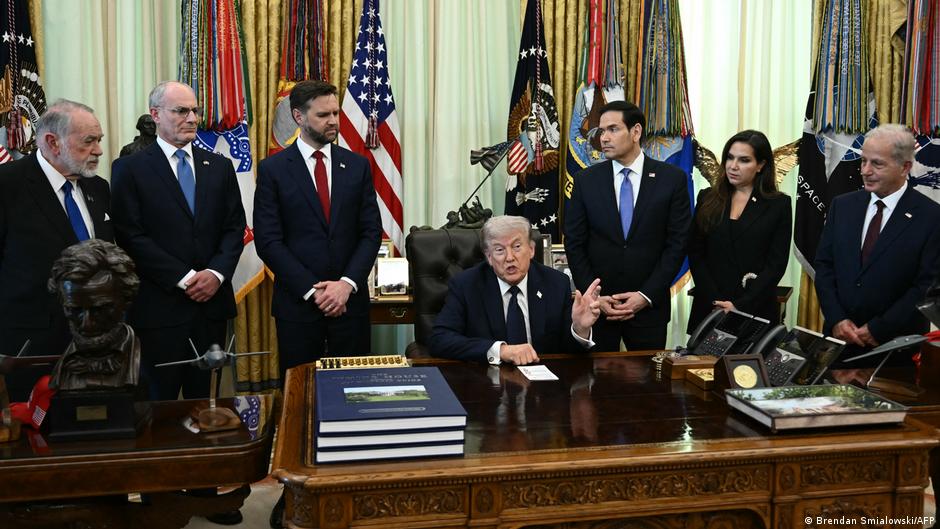
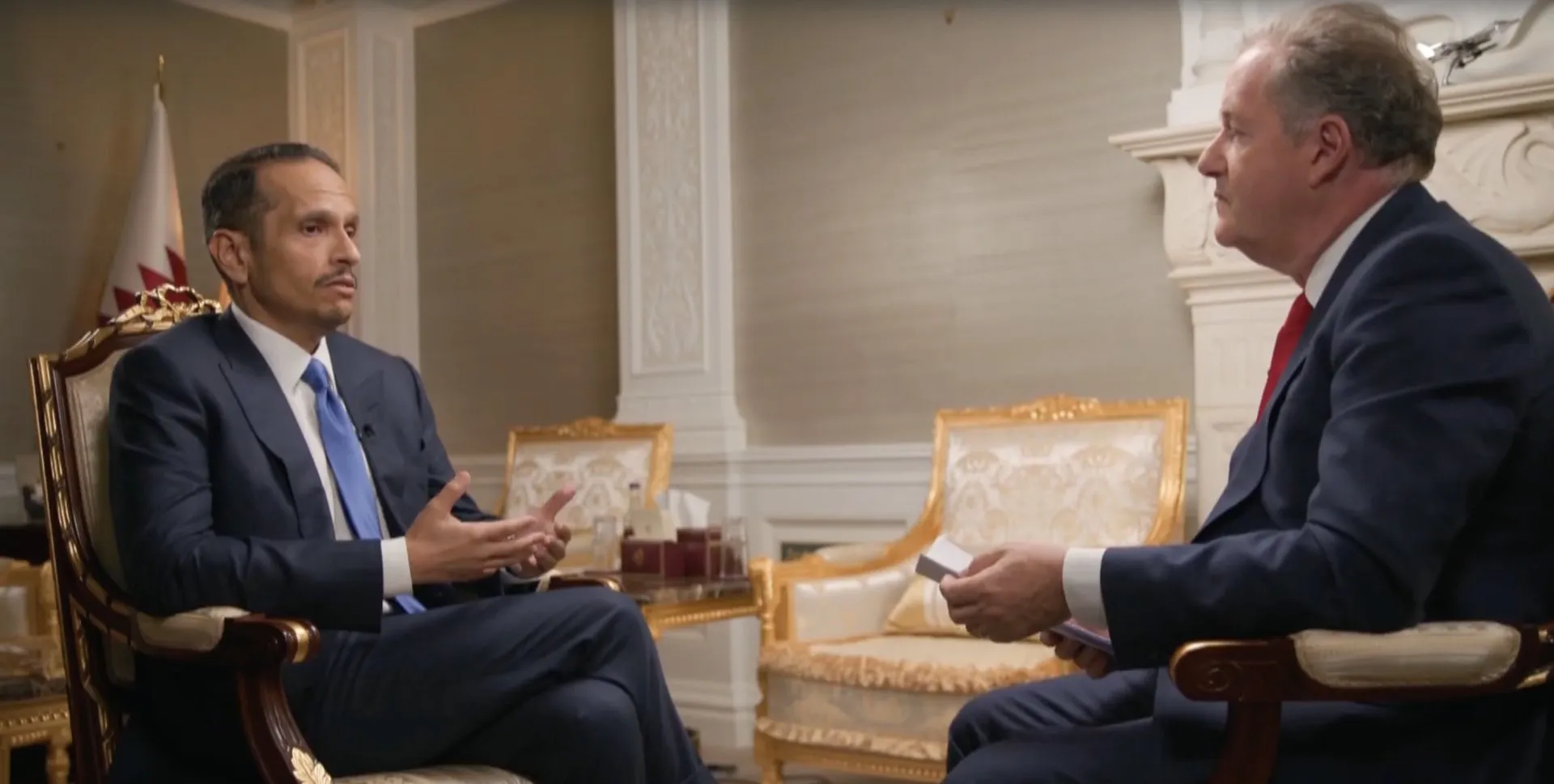
Historic direct negotiations between Israel and Lebanon took place in Washington in mid-April 2026, marking the first such talks since 1993. Despite this diplomatic breakthrough, active fighting continues in southern Lebanon between Israeli soldiers and Hezbollah militiamen. Experts and local residents in the south remain deeply pessimistic about a positive outcome, citing the exclusion of Hezbollah and severe power imbalances that undermine the legitimacy of the process.
Critics argue the talks lack credibility because Hezbollah, a key party to the conflict and a designated terrorist group by Israel, the US and Germany, is not involved. Hezbollah leader Naim Kassem stated the group supports "indirect negotiation diplomacy" only, arguing direct talks serve Israeli President Benjamin Netanyahu and US President Donald Trump ahead of US mid-term elections. This refusal to engage directly highlights the fundamental disconnect between the state-to-state framework and the reality of the conflict on the ground.
Observers highlight severe power imbalances, noting the Lebanese state has little leverage against both Israel and Hezbollah. Experts explain that the political power and military capabilities of the negotiating sides are completely different in nature, with the Lebanese government lacking a strong power base of its own. While the Lebanese army is mandated to help disarm the group, many experts believe Hezbollah's military wing remains stronger, leaving the state unable to meet conditions set by Israel without destabilising itself.
Statements by Israeli government officials partially support fears that the negotiations may cement a permanent presence rather than secure a withdrawal. Finance Minister Bezalel Smotrich has repeatedly raised the possibility of territorial reorganisation in Israel's favour. Prime Minister Benjamin Netanyahu has not ruled out a long-term military presence in the security zone and has indicated Israel may remain there in the longer term, suggesting a pattern of using security language to create territorial facts on the ground.
Local residents in southern Lebanon, including Hanaa Zalghout and farmer Ahmad Ismail, report fears that any deal will come at the expense of their villages and lives. Zalghout, whose home was destroyed by Israeli forces, worries that even a deal will not bring her country back. Ismail lamented that he will only ever see his home again in his dreams, emphasising that any resolution might be achieved at the cost of their lives.
External pressures from the US, Iran and regional dynamics further complicate the situation, weakening the already fragile government in Beirut. Washington is exerting massive pressure while Iran influences negotiations to serve its own strategic interests, leaving Lebanon caught between several camps. Experts warn that if Israel is not forced to withdraw, it would likely establish a buffer zone permanently, creating facts on the ground that will be almost impossible to reverse.