Diplomatic tensions escalate as Nigeria summons South African envoy over migrant attacks
The meeting with the acting High Commissioner addresses recent deaths and rising xenophobic sentiment, marking the latest in a series of diplomatic interventions by African nations.
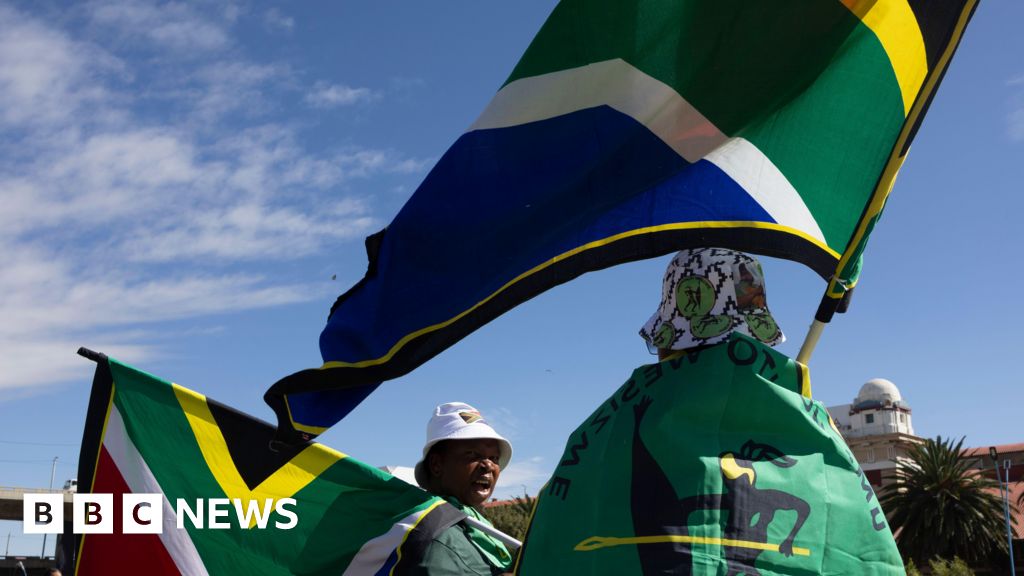
Nigeria has summoned South Africa's acting High Commissioner to formally convey its profound concern over a spate of violent anti-migrant protests and documented attacks on Nigerian citizens and their businesses. The diplomatic meeting is scheduled for Monday to address these escalating incidents, which have resulted in the deaths of at least two Nigerians and four Ethiopians in recent weeks. This diplomatic intervention follows a similar summons issued by Ghana earlier this month, highlighting a growing pattern of regional concern regarding safety on the continent.
The focus of the upcoming discussion will centre on recent marches organised by anti-immigrant groups and specific instances of mistreatment targeting foreign nationals. While South African President Cyril Ramaphosa has condemned the violence, the situation remains volatile as anti-immigrant groups continue to demand identity papers from foreigners outside hospitals and schools. During a march in the capital, Pretoria, these groups urged foreign-owned businesses to close in case of violence, creating an atmosphere of fear within the migrant community.
Reports indicate that the unrest is driven by accusations that migrants are entering illegally, taking jobs from locals, and having links to crime, particularly drug trafficking. Despite President Ramaphosa's recent Freedom Day address reminding South Africans of the support other African nations provided during the struggle against apartheid, xenophobic sentiment continues to rise. The President also cautioned foreigners to respect local laws, yet the actions of certain groups remain a source of significant anxiety for residents from neighbouring countries.
The incident in the port city of KuGompo, formerly East London, has further complicated the backdrop of these tensions. Earlier this year, reports emerged that the head of the Nigerian community in the area had been installed in a traditional role that can be translated as "king". Some locals viewed this installation as an attempt to seize political power, contributing to the broader climate of suspicion that now fuels the current diplomatic crisis.
South Africa hosts approximately 2.4 million migrants, just under 4% of the population, with the majority coming from neighbouring countries such as Lesotho, Zimbabwe, and Mozambique. While a smaller number originate from Nigeria, the recent violence has drawn sharp criticism from the Nigerian government. A Nigerian man speaking to BBC Pidgin highlighted the irony of the situation, stating that it is not acceptable because all involved are black and brothers, while a security guard expressed fear that such hostility on the African continent could only worsen if faced in Europe.