Diplomatic stalemate leaves Strait of Hormuz closed as Brent crude hits $105
The closure of the strategic waterway has triggered a surge in global energy costs, while reports indicate the UAE carried out military strikes on an Iranian refinery in early April.
US President Donald Trump has formally declared negotiations between Washington and Tehran deadlocked following the rejection of Iran's latest counter-offer. The White House dismissed the proposal as "garbage" and "totally unacceptable," marking a definitive end to current diplomatic efforts. Consequently, the fragile ceasefire in the Middle East is now described as being on "life support," with the President insisting the United States will seek a "complete victory" over Iran.
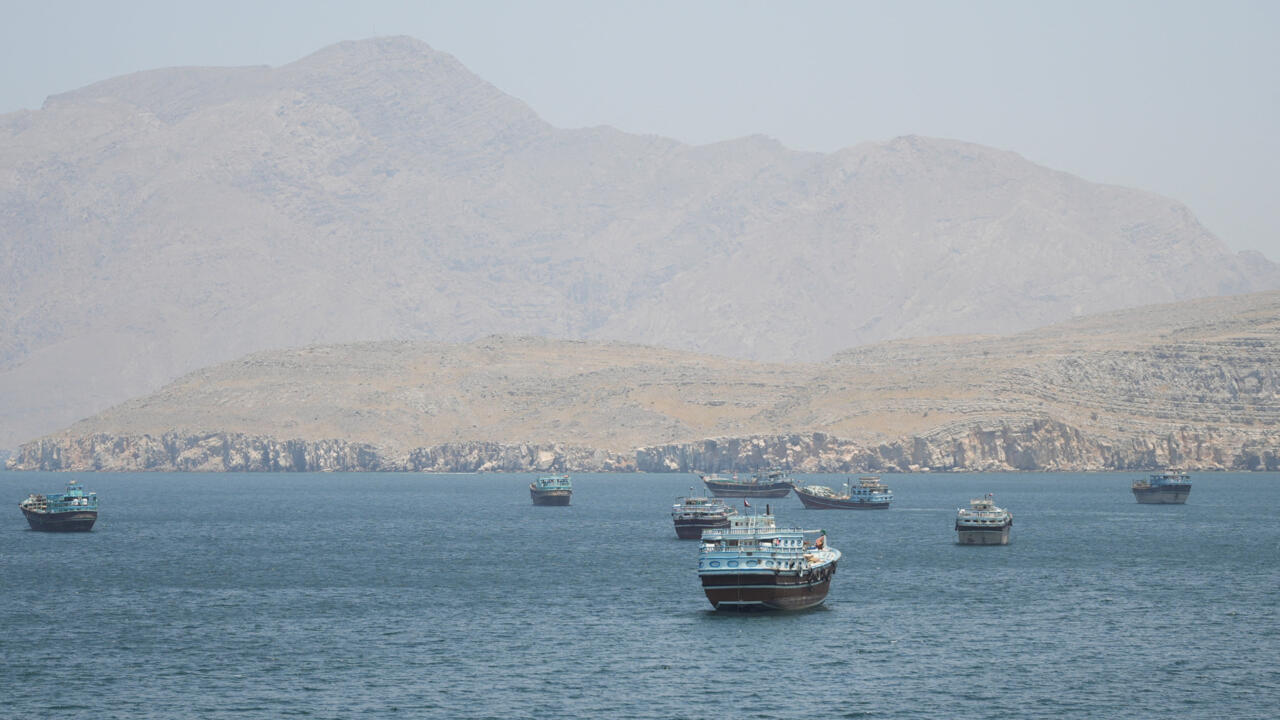
The diplomatic impasse has immediate ramifications for global energy markets, as the strategic Strait of Hormuz remains largely closed to oil tanker traffic. This waterway facilitates approximately 20 per cent of global oil and liquefied natural gas transit, and its closure has unnerved international traders. Brent crude prices jumped one per cent to $105 a barrel during Tuesday morning Asian trade, while West Texas Intermediate also rose one per cent to $99 a barrel.
In response to the surge in petrol prices driven by the conflict's uncertainty, the Trump administration has announced an intention to suspend the 18-cent federal petrol tax. This move aims to alleviate the financial burden on domestic consumers while the geopolitical situation remains volatile. The administration's strategy of enforcing a naval blockade of Iranian ports to exert pressure on Tehran continues to contribute to rising global oil prices.
Iranian parliamentary speaker Mohammad Bagher Ghalibaf, who previously served as the chief negotiator in past talks between Washington and Tehran, stated that his country is prepared for any eventuality. He asserted that the nation's armed forces are ready to respond to any act of aggression, noting that bad strategy and bad decisions always lead to bad results. This rhetoric underscores the deepening mistrust between the two nations as diplomatic channels appear severed.
While the US and Iran remain at an impasse, the UK and France are set to host a multinational meeting of defence ministers on Tuesday. The gathering will focus on military plans for restoring trade flows through the Strait of Hormuz. Meanwhile, reports from the Wall Street Journal, citing unnamed sources, indicate that the United Arab Emirates carried out military strikes on an Iranian refinery on Lavan Island in early April. The UAE has not publicly acknowledged these actions, adding another layer of complexity to the regional security landscape.