Supreme Court ruling curtails Trump's trade leverage as administration seeks recovery
A recent judicial decision has significantly weakened the authority of the 'Tariff man', forcing a recalibration of trade strategy amidst heightened political opposition.
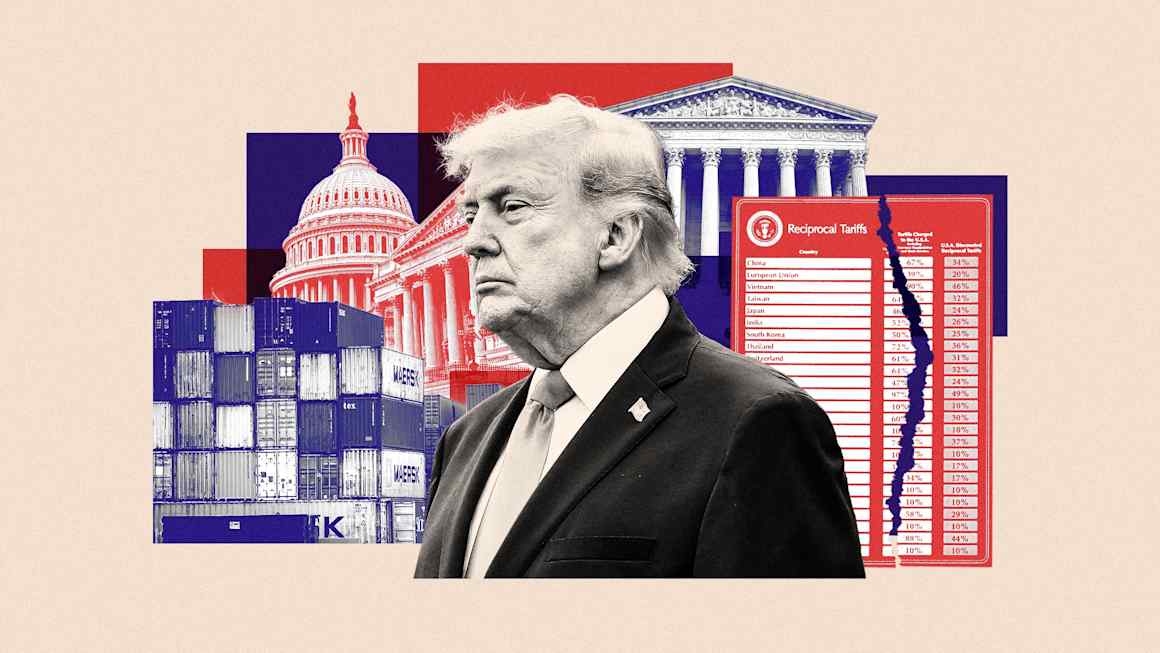
A recent Supreme Court ruling has delivered a significant blow to Donald Trump's trade agenda, effectively curtailing the scope of his executive powers in this domain. The decision marks a turning point for the administration, which has long relied on tariffs as its primary instrument for negotiating international deals.
Characterised by the Financial Times as the 'Tariff man', Trump now finds himself seeking strategies to recover from what has been described as a wounding legal setback. The ruling has stripped away a layer of leverage that the executive branch previously utilised to advance its trade objectives, leaving the White House to navigate a more constrained policy environment.
The political fallout extends beyond the courtroom, with opposition from Congress intensifying as the ruling takes effect. Described as restive, the legislative body is increasingly resistant to the administration's trade ambitions, creating a dynamic where executive ambitions face substantial hurdles from the legislative branch.
Compounding these institutional challenges is a shift in public sentiment. Reports indicate that voters are unhappy with the current trajectory of trade policies, adding electoral pressure to the legal and legislative headwinds the administration is currently facing.
While the administration scrambles to mitigate the impact of the ruling, the broader political landscape remains volatile. The convergence of a weakened legal standing, active congressional pushback, and voter dissatisfaction suggests a difficult path ahead for US trade policy in the coming period.
Separately, federal investigators continue to probe the motives of a suspect linked to an assassination attempt at a press gala attended by Trump. A joint FBI and terrorism task-force is leading the inquiry into the breach of security at the White House Correspondents' Association dinner, though this investigation remains distinct from the developments in trade policy.