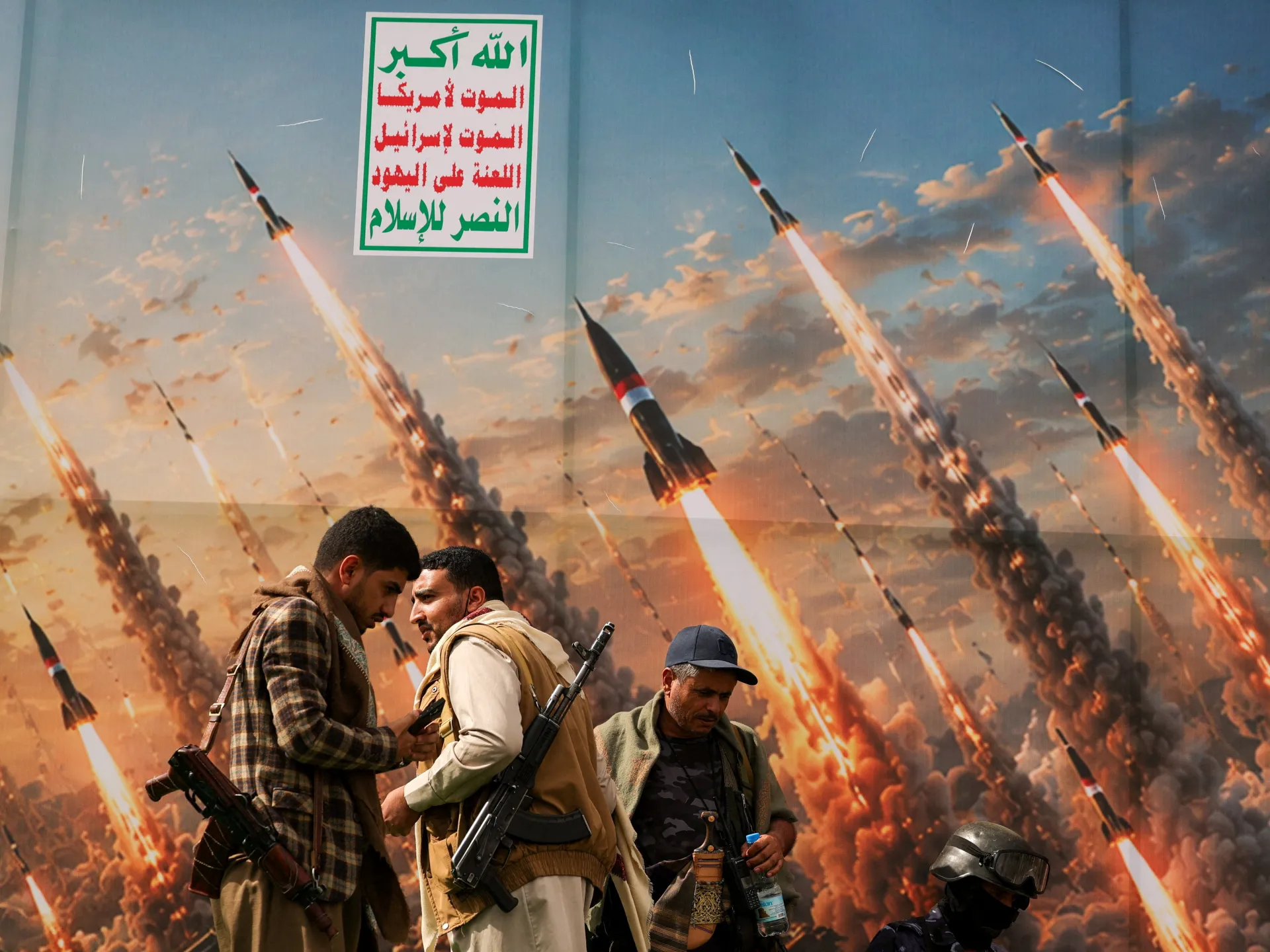
Diplomatic stalemate deepens as US rejects Iran's counter-proposal on Persian Gulf peace terms
Following a ten-week conflict, the rejection of a mediated peace offer has left regional tensions high, with naval blockades and unconfirmed drone attacks continuing to disrupt maritime trade.
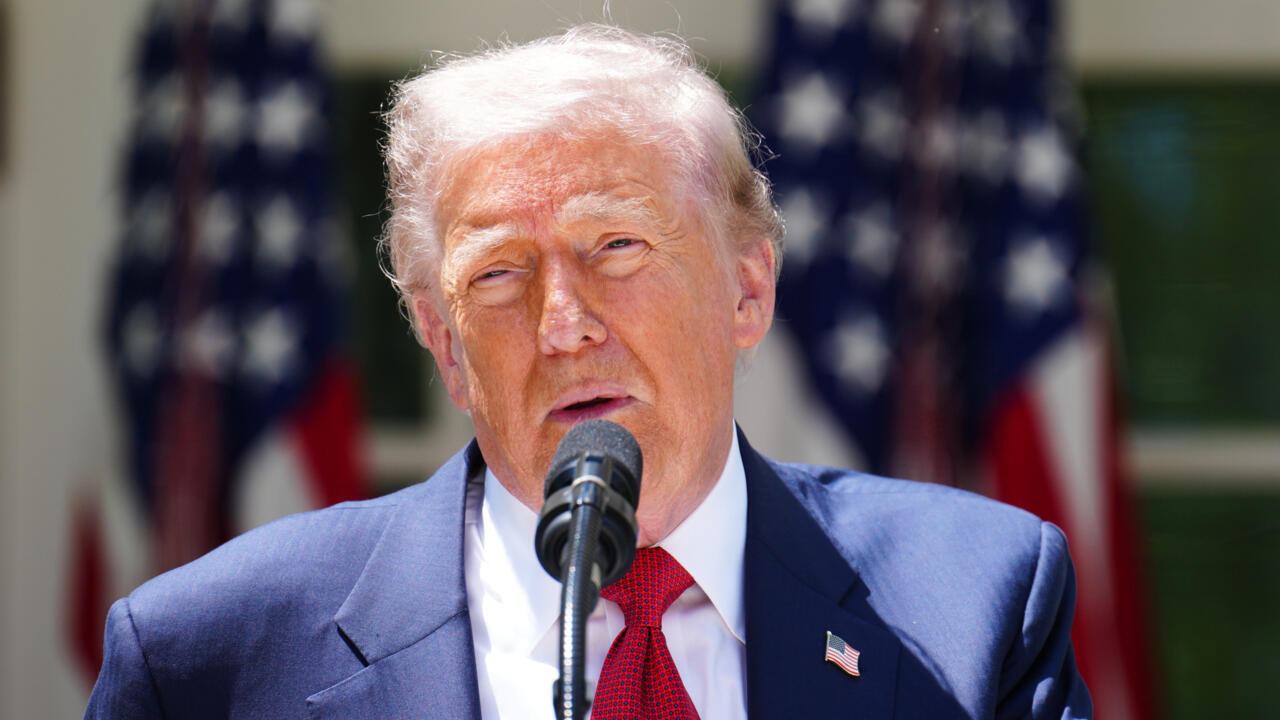
President Donald Trump has dismissed Iran's response to a recent peace proposal as "TOTALLY UNACCEPTABLE," halting diplomatic progress in the Persian Gulf. The exchange, which occurred on Sunday, marks a significant setback in efforts to de-escalate the conflict that has driven up global energy prices and disrupted shipping lanes. The rejection was communicated via social media, offering no further detail on the specific reasons for the refusal beyond the label of total unacceptability.
Iran's counter-proposal, delivered through Pakistani mediators, outlined a set of conditions that Washington appears unwilling to meet. Tehran demanded war reparations from the United States, full sovereignty over the Strait of Hormuz, an immediate end to sanctions, and the release of seized Iranian assets. This stance contrasts with the US proposal, which sought an agreement to end the war, reopen the strategic waterway, and roll back Iran's nuclear programme.
Regional instability has persisted alongside the diplomatic impasse, with unconfirmed reports of drone activity threatening maritime security. A drone ignited a fire on a vessel off the coast of Qatar, while the United Arab Emirates claimed to have shot down two drones in the area. Kuwait also reported drones entering its airspace, adding to the uncertainty surrounding the safety of commercial shipping in the region.
The United States has maintained a naval blockade of Iranian ports since 13 April, a move that has significantly impacted commercial traffic. Military officials stated that the blockade has turned back 61 commercial vessels and disabled four, including two oil tankers struck on Friday. In response, Iran's Revolutionary Guard has warned that any attack on its oil tankers will be met with a heavy assault on US bases in the region.
Tensions regarding Iran's nuclear programme remain a central point of contention, with the International Atomic Energy Agency noting that Iran holds more than 440 kilogrammes of uranium enriched to 60 per cent purity. While US and Israeli leaders have discussed the physical removal of this material, Russian President Vladimir Putin indicated that Moscow's proposal to facilitate the removal of enriched uranium remains on the table to aid negotiations.
Despite the rejection of the peace offer, diplomatic channels have not been entirely severed. US Ambassador to the United Nations Mike Waltz stated that the administration is giving diplomacy "every chance we possibly can before going back to hostilities." However, the refusal of Iran's terms suggests that the path to a resolution remains obstructed, leaving the future of the standoff uncertain.