Diplomatic stalemate deepens as US cancels envoys to Pakistan while Iran shifts to Oman
The White House has abandoned plans to dispatch special envoys to Islamabad, citing inefficiency, while Iranian Foreign Minister Abbas Araghchi relocates to Oman amid a hardened stance.
The future of negotiations aimed at ending the conflict between the United States and Iran remains opaque following a significant shift in diplomatic positioning. Iranian Foreign Minister Abbas Araghchi has relocated from Pakistan to Oman, a move that coincides with the cancellation of a planned US diplomatic mission to the region.
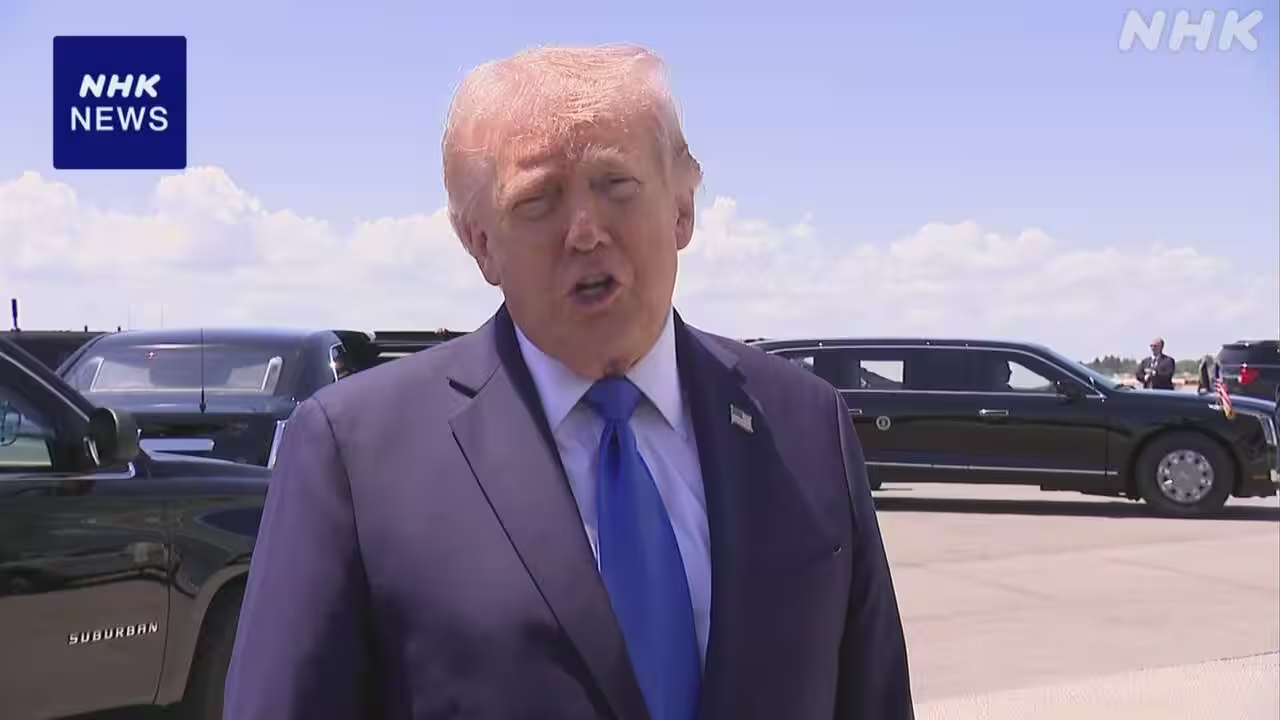
President Donald Trump has ordered the withdrawal of special envoys, including Steve Witkoff and Jared Kushner, from their intended deployment to Pakistan. In announcing the decision, the President stated that sending the envoys would waste too much time, implying a distinct shift away from direct diplomatic engagement in Islamabad.
This strategic pivot comes as the United States strengthens its pressure on Iran through a maritime blockade. While the administration continues to apply this pressure, the specific terms or conditions of the blockade remain undetailed in current reports. The opacity surrounding these measures mirrors the uncertainty facing the broader peace process.
The cancellation of the second round of direct negotiations follows previous efforts where Iranian officials met with senior Pakistani officials in Islamabad to facilitate talks. Historically, Foreign Minister Araghchi has travelled to Russia following stalled negotiations, indicating a pattern of seeking alternative diplomatic channels when direct engagement falters.
Amidst the failed talks, Iranian authorities have projected a significantly hardened stance against the United States. The Foreign Minister's departure for Oman, rather than returning to Pakistan or remaining in Islamabad, underscores the current impasse. Unlike previous diplomatic rounds, Araghchi was not accompanied by Parliament Speakers during his recent meetings.
The White House has previously characterised the conflict as ongoing, with President Trump asserting that external incidents do not deter his stance on the war. However, the decision to cancel the mission suggests an internal reassessment of the efficiency of the current diplomatic approach.