Diplomatic pressure mounts as Gaza strikes continue despite ceasefire framework
Israeli airstrikes target refugee camps and neighbourhoods, killing two Palestinians, while international actors push for deployment of an International Stabilization Force.
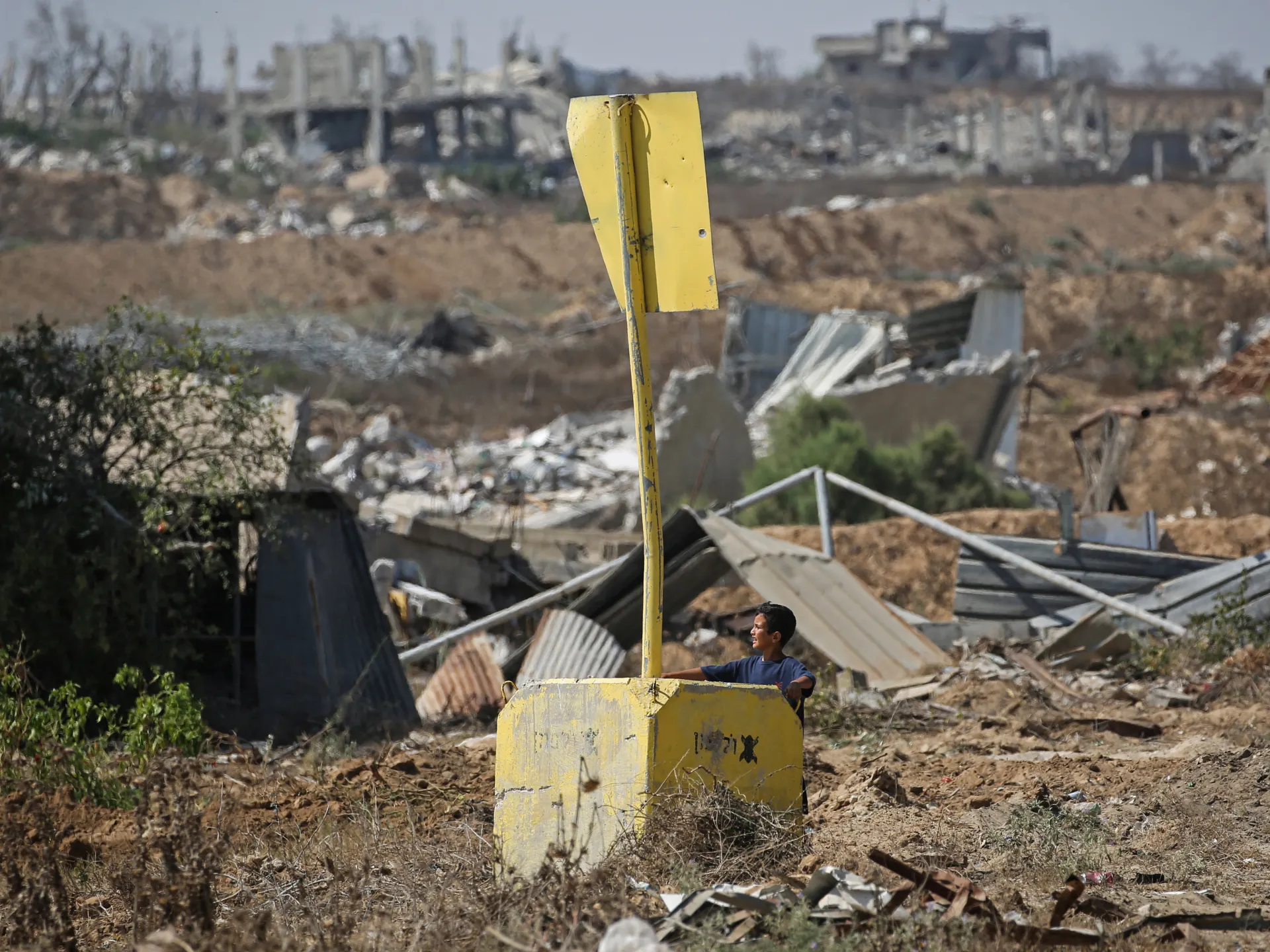
Israeli military forces conducted airstrikes across Gaza following the issuance of displacement orders, resulting in the deaths of at least two Palestinians and injuring several others, according to medical sources and Al Jazeera reporting. The strikes targeted multiple locations, including the Bureij and Jabalia refugee camps, as well as the Zeitoun and Tal al-Hawa neighbourhoods in Gaza City. The escalation occurs despite a US-brokered ceasefire that took effect last year, raising concerns among international observers regarding the stability of the current arrangement.
Al Jazeera correspondent Ibrahim al-Khalili reported that evacuation warnings were followed by attacks on the very areas where civilians were instructed to flee, describing the situation as particularly alarming. A strike on Gaza City caused a significant fire that Civil Defence crews were attempting to extinguish. The displacement orders have forced families to abandon shelters in panic, with many ending up on the streets due to a lack of alternative safe housing, compounding the existing humanitarian challenges in the territory.
Diplomatic efforts to stabilise the region have intensified, with Egyptian Foreign Minister Badr Abdelatty urging US Secretary of State Marco Rubio to accelerate the deployment of an International Stabilization Force (ISF). The meeting took place in Manila on the sidelines of the ASEAN foreign ministers summit, where Abdelatty also stressed the need to promptly launch an administrative committee for Gaza to help contain tensions. Concurrently, Israeli media reported that 30 Moroccan officers visited Gaza to prepare for deploying forces as part of the ISF, with Morocco announcing plans to send security personnel and establish a field hospital.
The humanitarian situation remains critical, with UN agencies estimating that 1.4 million people, representing 67 percent of Gaza’s population, are experiencing crisis or worse levels of acute food insecurity. Ross Smith, director of emergency preparedness and response at the UN World Food Programme, highlighted the desperate nature of the crisis, noting that while figures have decreased slightly from 1.6 million at the end of the previous year, the need for continued humanitarian access and funding remains urgent.
In response to the ongoing conflict, the UK Foreign Office, under Prime Minister Andy Burnham, demanded an end to Israeli restrictions on humanitarian aid. A statement from the Foreign Office asserted that averting famine should not be the benchmark for success, citing that aid restrictions are driving disease, water scarcity, and decimating health services. The UK’s position aligns with broader international calls for the protection of civilians and the restoration of essential services in the territory.