Diplomatic efforts to conclude the conflict in Iran have stalled as Washington demands nuclear disarmament
Talks aimed at decisively ending the war in Iran have ground to a halt, with Donald Trump insisting on a complete termination of Tehran's nuclear program as a non-negotiable requirement.
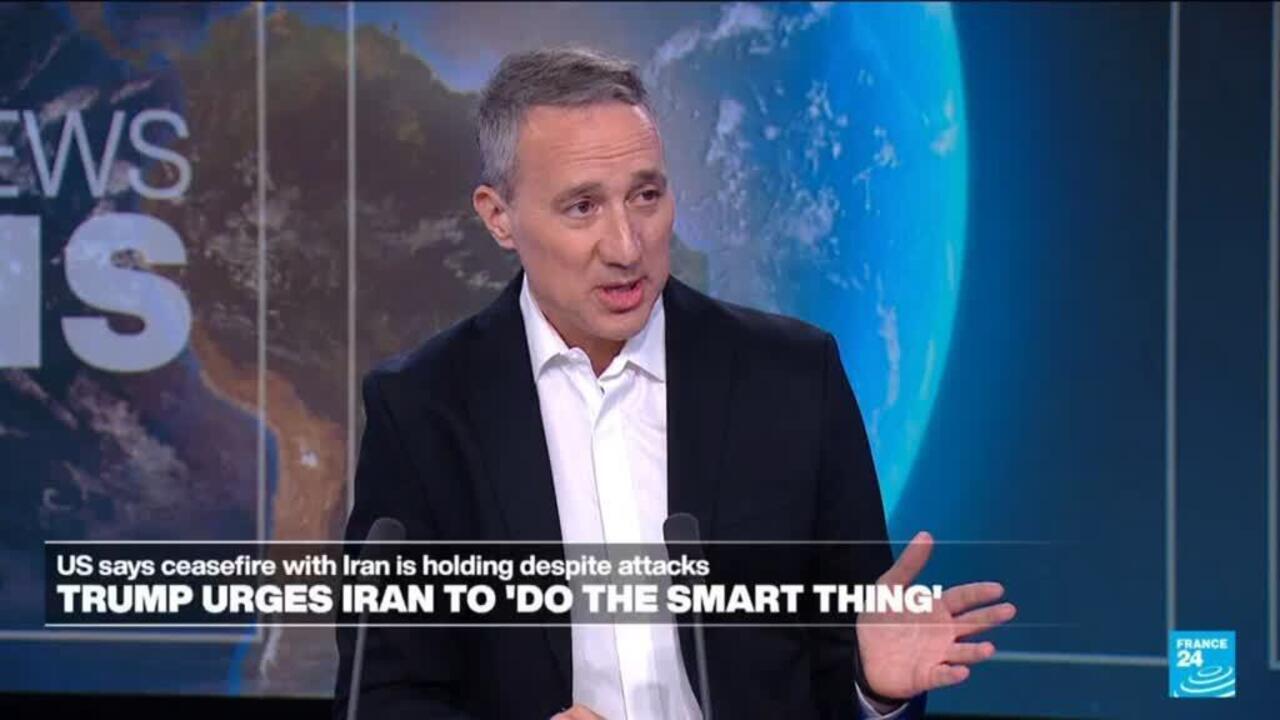
Negotiations intended to bring a decisive end to the war in Iran have stalled, leaving diplomatic channels blocked by irreconcilable demands. The impasse centres on a specific condition previously articulated by Donald Trump, who has made clear that any viable diplomatic plan must include the total cessation of Tehran's nuclear programme.
This rigid stance has created a significant barrier to progress, as international experts assess that Iran is unlikely to agree to such a sweeping requirement. The divergence between Washington's expectations and Tehran's strategic realities has effectively frozen current discussions, preventing any movement toward a comprehensive resolution of the ongoing conflict.
The friction highlights a fundamental disagreement regarding the scope of any potential settlement. While the primary objective of the talks is to end the active hostilities, the United States administration maintains that a lasting peace cannot be secured without addressing the nuclear dimension in the manner specified by Mr Trump.
This approach marks a distinct departure from the strategy employed during the Obama administration, which implemented a different framework for engaging with the Islamic Republic. The current administration's refusal to entertain plans that do not explicitly mandate the end of the nuclear programme suggests a hardening of policy that prioritises nuclear disarmament alongside the cessation of war.
Despite the high confidence in these reported positions, the specific timeline for when the talks stalled remains undefined beyond the reporting date. The lack of detailed information regarding the immediate future of these negotiations underscores the severity of the deadlock and the difficulty of bridging the gap between the two nations' red lines.
As the situation remains static, the prospect of securing an improved deal appears distant. The combination of stalled talks and an unyielding precondition from the US side suggests that significant obstacles remain before a diplomatic breakthrough can be achieved in the region.