Diplomatic deadlock deepens as Middle East peace talks stall amid Hormuz tensions and Lebanon ceasefire breaches
Efforts to revive negotiations have ground to a halt as the United States assesses Iran's latest offer, a move viewed with scepticism by senior administration officials. Concurrently, a fragile truce between Israel and Hezbollah is being violated, prompting renewed military strikes and evacuations in southern Lebanon.
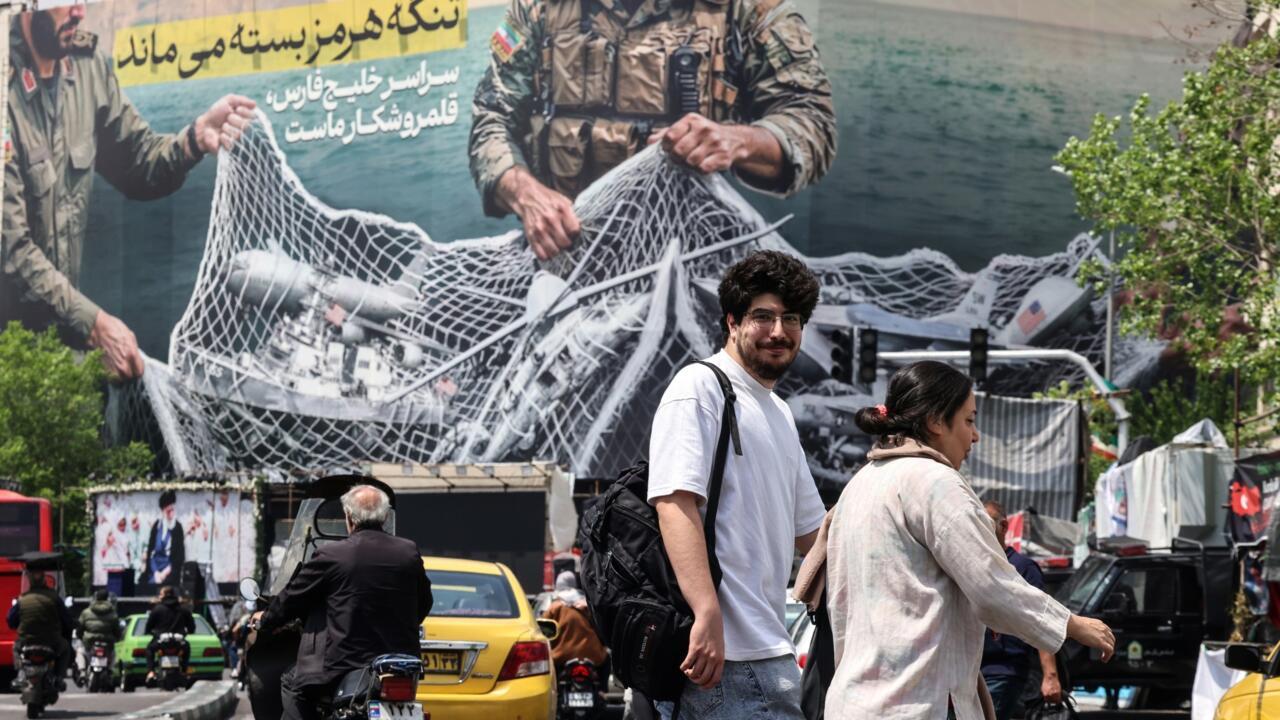
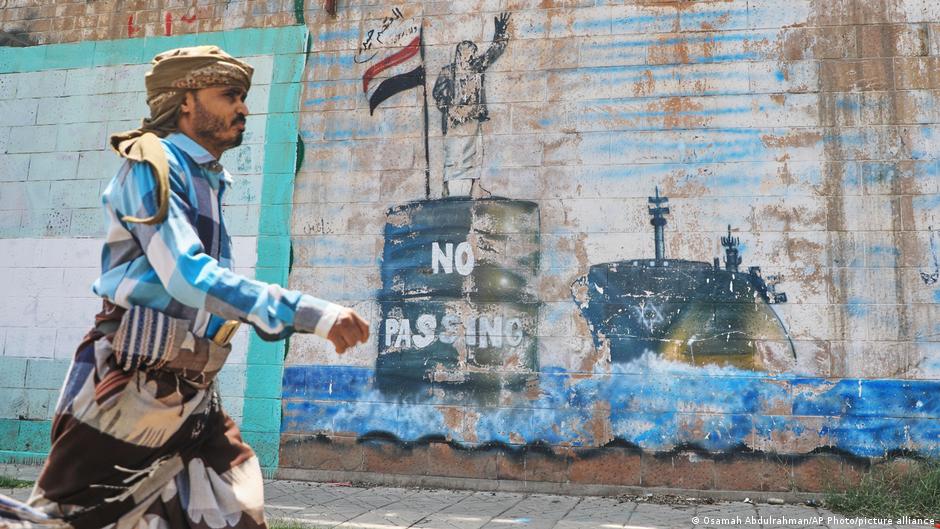
Efforts to revive diplomatic engagement over the Middle East conflict have stalled as the United States evaluates Iran's proposal to reopen the Strait of Hormuz. The United States administration is currently assessing Tehran's offer to unblock the vital waterway, a move that US officials, including President Donald Trump, have expressed scepticism regarding. This assessment comes as Iran maintains its blockade of the strait, citing Washington's previous demands to reopen the route as a precondition for any meaningful negotiations.
The strategic impasse has sent shockwaves through global energy markets, with oil prices surging above $110 a barrel following news of the potential Hormuz blockade. This marks the highest level seen since the previous US-Iran ceasefire, reflecting market anxiety over renewed conflict in a region critical for oil and gas shipments. While Secretary of State Marco Rubio noted the Iranian proposal was better than anticipated, he questioned whether the officials behind it possessed the necessary authority to bind their government, particularly following recent Israeli killings of senior figures.
On the Lebanese front, a fragile ceasefire between Israel and Hezbollah is being actively violated, prompting a sharp escalation in military operations. For the first time since the truce began, the Lebanese army confirmed that an Israeli strike targeted its own troops, wounding two soldiers in the south. In response to these breaches, Israel's military has announced the discovery and destruction of a large Hezbollah tunnel network used by elite fighters, while simultaneously ordering the immediate evacuation of residents in more than a dozen villages and towns along the border.
Diplomatic efforts to secure a definitive resolution are facing significant headwinds from both domestic and international quarters. Qatar, acting as a mediator, has warned of the risk of a "frozen conflict" if a comprehensive deal is not reached, noting that such a stalemate would only be thawed by subsequent political pressures. Meanwhile, the Trump administration faces mounting domestic political pressure ahead of the November midterm elections, with polls indicating the war remains unpopular among the American public.
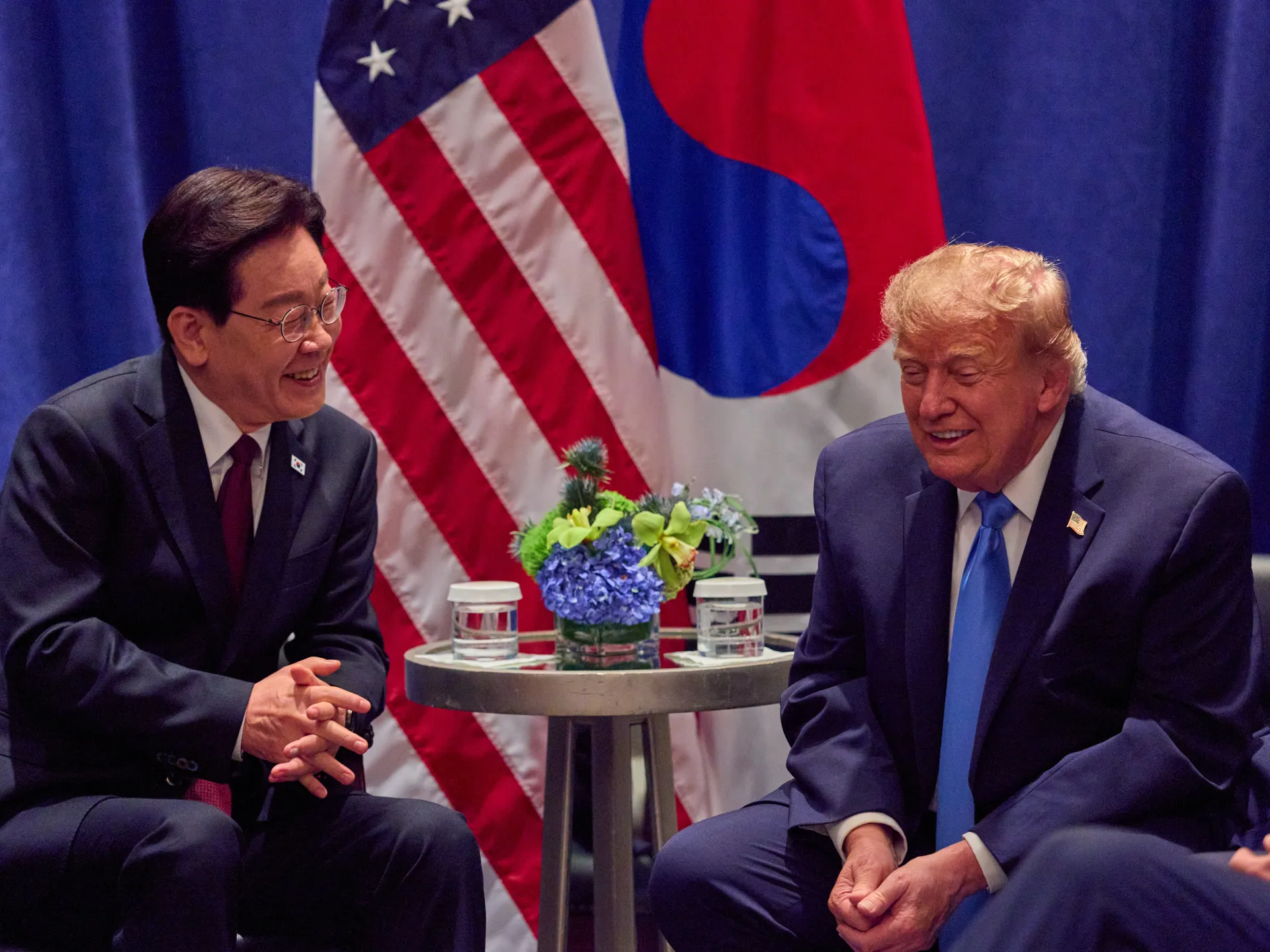
International criticism of the US strategy has also intensified, with German Chancellor Friedrich Merz describing the approach in Iran as "ill-considered." This remark drew a sharp rebuke from President Trump on social media, who stated the Chancellor "doesn't know what he's talking about." Despite this diplomatic friction, Iranian Foreign Minister Abbas Araghchi, during a visit to Russia, stated that the ongoing conflict has demonstrated Iran's "true power," even as domestic mood in Tehran remains sober amid severe economic concerns.
The path forward remains uncertain as the United States prepares to weigh the implications of Iran's red lines, which include nuclear issues and the status of the Hormuz strait. Vice President JD Vance and other officials had recently prepared to travel to Pakistan for new talks but ultimately stayed home, leaving the status of the negotiations in limbo. As the situation evolves, the region remains on a knife-edge, with the potential for a return to hostilities looming over the current diplomatic standstill.