Diplomatic channels fracture as Washington halts Pakistan envoy mission over Tehran's peace framework
Indirect messages regarding nuclear issues and the Strait of Hormuz have been transmitted through Pakistan, but no formal negotiations have resumed as regional tensions persist.
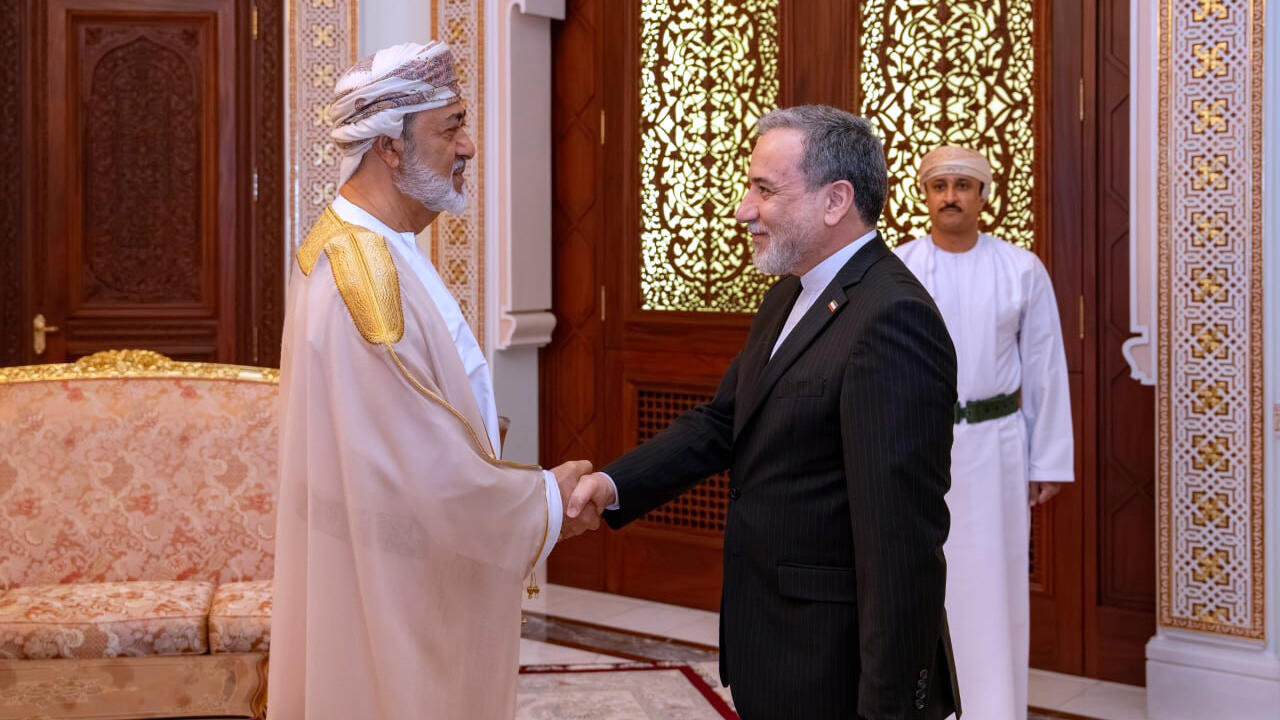
Iranian Foreign Minister Abbas Araghchi departed Pakistan for Moscow on Sunday, following a brief stop in Oman, as mediators attempted to restart diplomatic talks between Tehran and the United States. This movement marks a significant shift in the diplomatic shuffle, with the Iranian official leaving Islamabad to engage senior Russian officials while direct negotiations remain stalled.
Concurrently, US President Donald Trump cancelled a planned visit by his envoys, Steve Witkoff and Jared Kushner, to Pakistan. In a statement to Fox News, the President declared that direct communication via telephone is sufficient, asserting that the United States holds all the leverage and that there is no point in physical meetings. He stated, "We have all the cards. If they want to talk, they can come to us, or they can call us."
While the direct path to negotiation has been severed, indirect efforts continue through third-party channels. Iran's Fars news agency reported that Tehran transmitted written messages to the Americans via Pakistan concerning specific red lines, including nuclear issues and the Strait of Hormuz. However, these transmissions were not part of formal negotiations, leaving the substantive dialogue between the two nations in limbo.
The strategic impasse extends to the Strait of Hormuz, which remains effectively closed to Iranian vessels. Iran's Revolutionary Guards have reiterated their strategy of controlling the waterway and maintaining a deterrent effect against the United States. The Guards warned that continued US blockading would draw a response, a stance that has caused economic shockwaves globally due to the closure of this vital global waterway.
Tensions in the wider region remain high despite a ceasefire extension between Israel and Hezbollah. Israeli Prime Minister Benjamin Netanyahu ordered strikes on Hezbollah in Lebanon, accusing the group of violating the truce by dismantling the ceasefire in practice. Lebanese official media confirmed that Israeli warplanes launched strikes in the south of the country, resulting in reports of casualties in several locations.
The cancellation of the envoy mission comes as President Trump faces growing domestic pressure regarding petrol prices pushed up by the closure of the Strait and upcoming midterm elections in November. While the White House maintains that the halt in physical diplomacy does not signal a return to open hostilities, the friction between Washington and Tehran continues to reverberate across the Middle East.