Digital smear campaign targets Michigan Senate candidate over cultural phrase
Coordinated online activity following the Michigan Democratic primary victory has sought to reframe the candidate’s win as an ideological threat, drawing amplification from high-profile political figures.
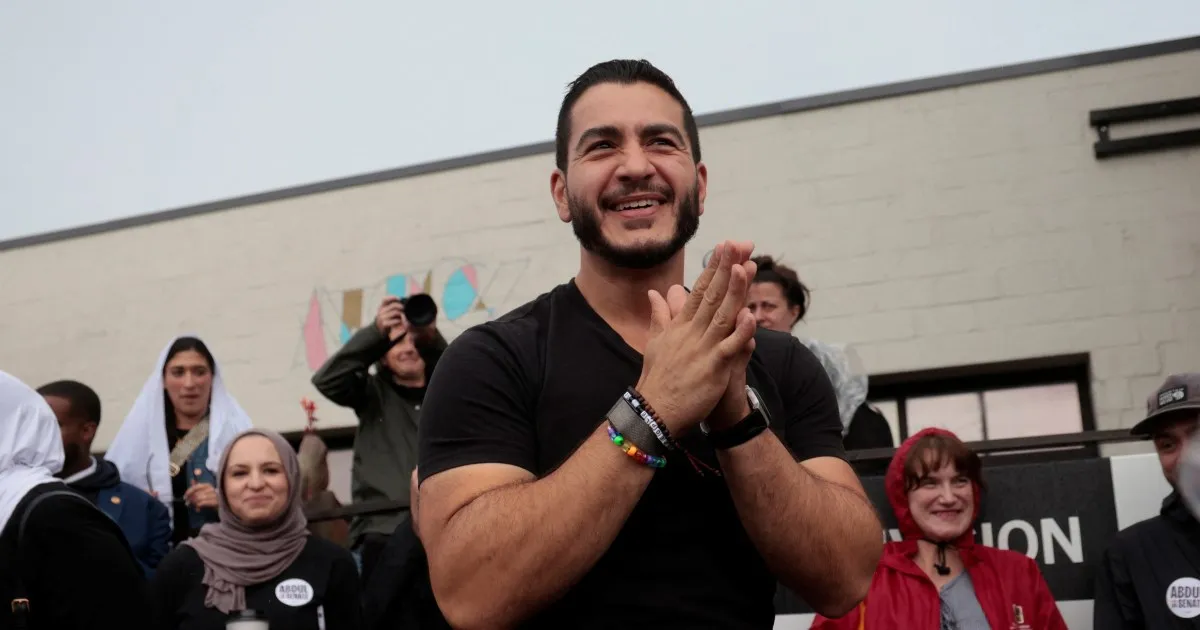
An investigation by Al Jazeera has identified a coordinated digital campaign on X targeting Abdul El-Sayed, the Egyptian-American doctor who recently secured the Democratic nomination for the United States Senate in Michigan. The analysis reveals an orchestrated effort to reframe El-Sayed’s electoral victory as a religious and ideological threat to the United States, leveraging his use of the phrase “inshallah” from his election night speech.
The campaign began by isolating the Arabic expression, which translates to “God willing,” stripping it of its context as a common cultural signifier of hope. Instead, right-wing influencers and accounts presented the phrase as evidence of a sinister political takeover. Benny Johnson, a right-wing influencer, led the trend with a clip garnering over 193,000 views, while other accounts employed terms such as “socialist Muslim candidate” to frame the narrative.
Data mapping conducted by Al Jazeera within the first 24 hours of the primary results identified a network of 1,966 accounts and more than 2,500 connections. The spread of content relied heavily on reshares rather than direct discussion, with 1,847 reposts recorded. The narrative escalated to baseless claims linking El-Sayed to the Muslim Brotherhood and Sharia law, with specific targeting of Hamtramck, a city with a significant Arab Muslim population, which was described as an “occupied city.”
The discourse gained significant traction when high-profile political figures and pro-Israel organisations amplified the claims. Republican Senator Ted Cruz shared clips alleging ties to Muslim Brotherhood-linked groups, while former President Donald Trump directly attacked El-Sayed as a “hater of Jews” and “hater of Israel.” Trump’s comments aimed to rally voters behind his Republican opponent, Mike Rogers, in the upcoming November midterm elections.
El-Sayed has denied accusations of anti-Semitism, emphasising his commitment to the safety of Jewish Americans and focusing his campaign on policy issues such as education, healthcare, and jobs. He has received public support from Democratic leaders including Bernie Sanders and Elizabeth Warren, who have attempted to steer the conversation back to corporate influence and working families. Despite this backing, analysts predict the candidate will face continued scrutiny from far-right movements in the months ahead.