Denise Cosco dies after testifying against father in Italian mafia murder case
Prosecutors are investigating possible incitement to suicide after the death of the woman who testified against her father over the murder of her mother, Lea Garofalo.
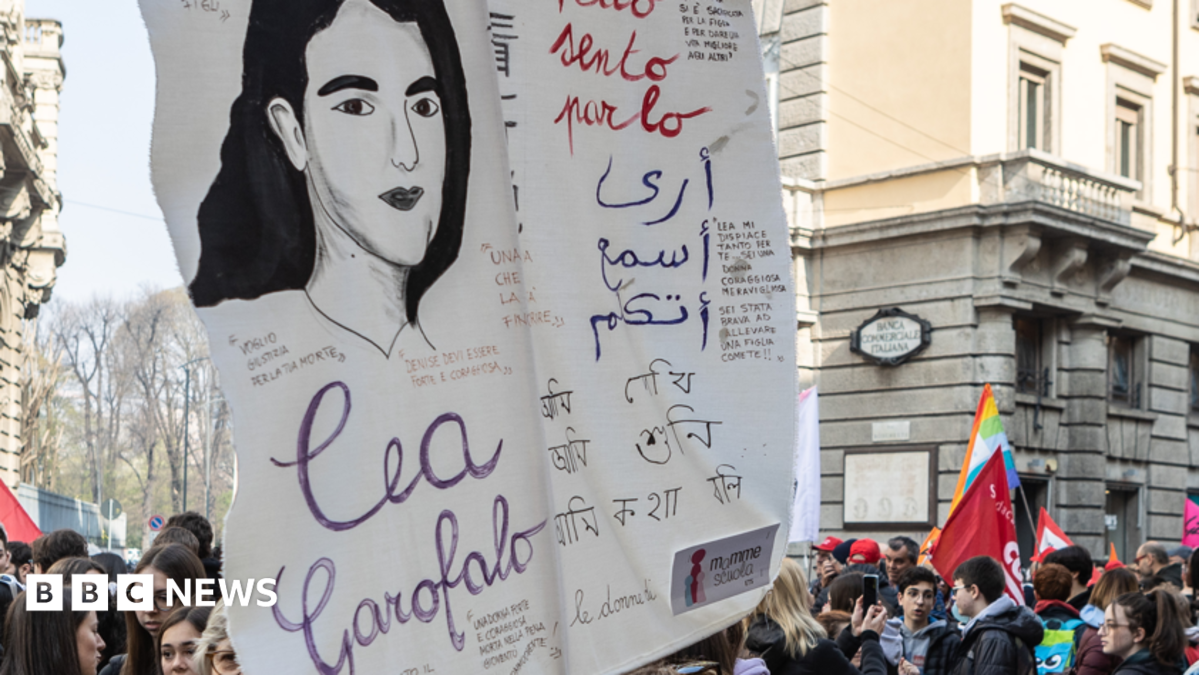
Denise Cosco has died in Rome after being found critically injured on Sunday. Her death is believed to have been suicide, but prosecutors are investigating the circumstances and have seized her phone for analysis.
Cosco testified against her father, Carlo Cosco, over the 2009 murder of her mother, Lea Garofalo. Garofalo had become a state witness against the ’Ndrangheta and was later strangled, dismembered and incinerated, according to the BBC’s reporting.
At her father’s trial, Cosco gave evidence from behind a screen and described herself as a “proud witness for justice”. She said she had made the difficult decision to testify to find “inner freedom to start over” with her life.
Cosco and her mother had lived under state protection with new names and identities. Carlo Cosco and three accomplices are serving life sentences over Garofalo’s murder.
The BBC reported that supporters associated Cosco’s later years with significant mental health, addiction and family-related struggles. Friends and supporters were due to gather in Milan to remember her near the place where her mother was abducted.
The investigation has not established whether anyone incited Cosco to take her own life. Her death has renewed questions about the long-term protection and support available to people who break with organised crime and testify against it.