Apple silicon MacBooks remain viable used buys in 2026 as Intel support fades
M1 MacBook Air and newer Apple silicon models may offer value, while Intel-based devices face growing macOS compatibility risks.
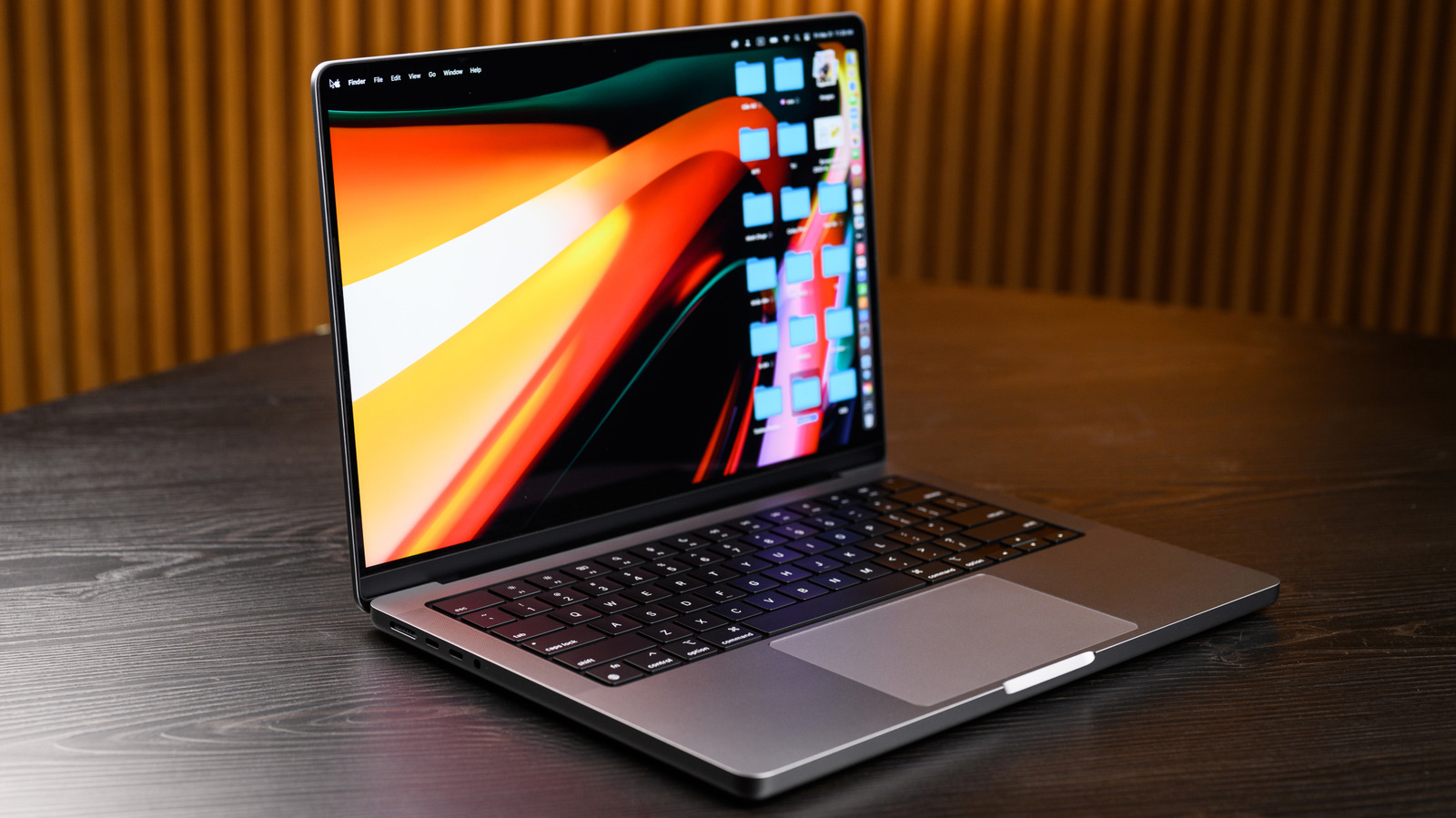
Older MacBooks can still make practical used purchases in 2026, but buyers should weigh software support, condition and price ahead of headline savings, according to guidance from Engadget.
Apple silicon models dating back to 2020 remain on the stated macOS 27 compatibility list for MacBook Air and MacBook Pro devices. The M1 MacBook Air, in particular, remains suited to browsing, streaming and basic computing when priced reasonably.
Intel-based MacBooks are a riskier proposition. Apple began moving from Intel processors to its own silicon in 2020 and stopped selling Intel MacBooks in 2021. The source says macOS 27, referred to as Golden Gate, will be the first release restricted to Apple silicon.
Intel models may continue receiving security updates for their final supported macOS version, but newer applications could eventually require a later release. Technically capable users may extend the life of some Intel MacBooks by installing Linux, including models with the T2 security chip.
Before buying, consumers should confirm the model identifier and macOS compatibility, inspect the battery’s cycle count and service recommendations, and test the keyboard, display, ports, camera, Wi-Fi and speakers where possible. Warranty, return terms, serial number and configuration should also be checked, particularly for private listings.
Certified refurbished products may provide a safer route. Apple says its certified refurbished devices include a standard one-year warranty and can save up to 15 per cent against new products. For demanding workloads, a lightly used MacBook Pro with more memory, storage and a stronger M-series processor may offer better value than the cheapest available model.