Deir el-Balah conducts first municipal poll in Gaza since war onset amid logistical improvisation
The city's selection reflects its relative infrastructural stability compared to northern Gaza, though the process relied on locally manufactured ballot boxes and repurposed medical ink
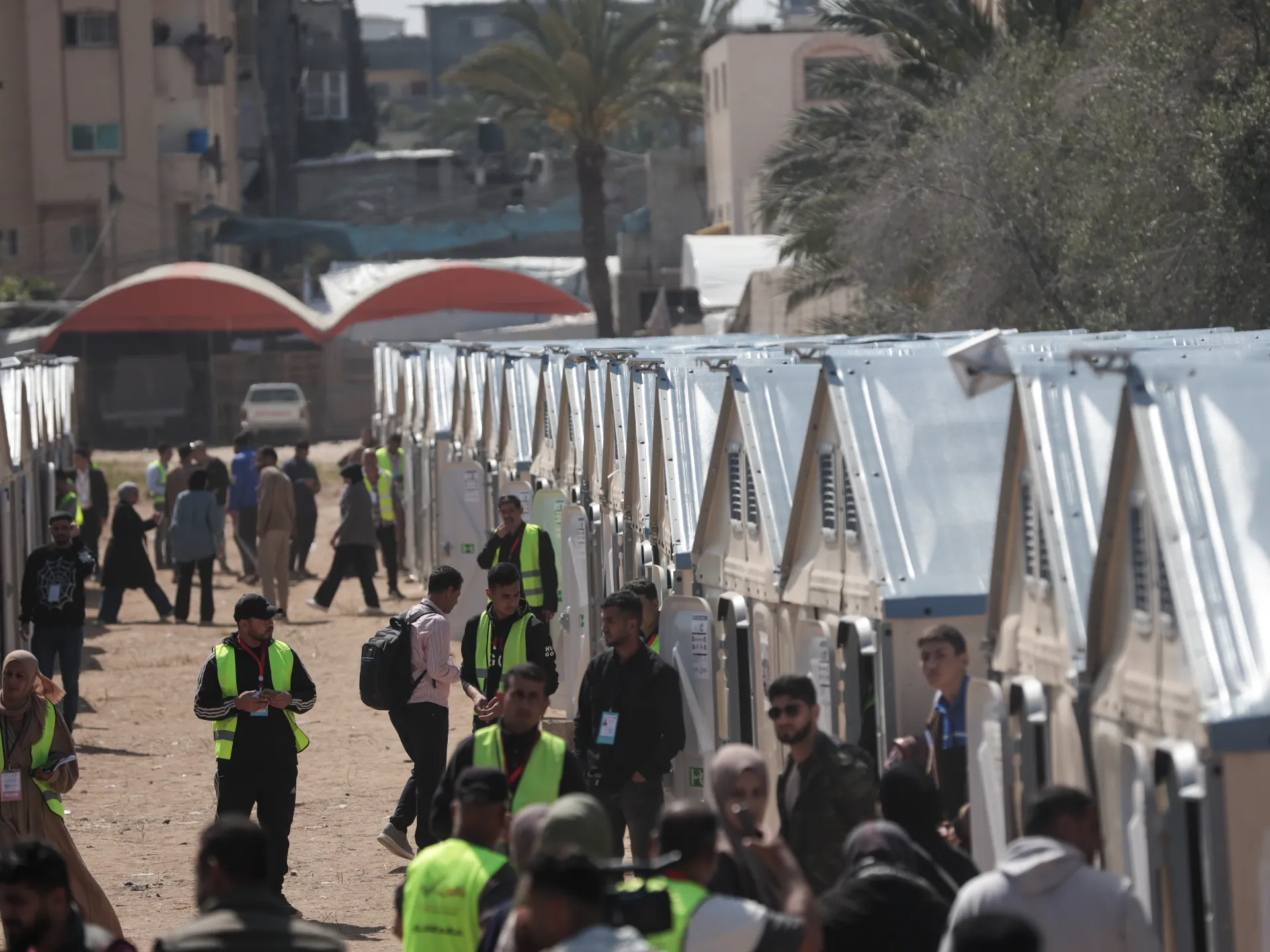
Residents of Deir el-Balah have cast ballots in municipal elections for the first time since 2006, marking the initial poll in the Gaza Strip since the conflict began in October 2023. Organised by the Ramallah-based Central Elections Commission, the exercise represents a significant procedural milestone, yet it was conducted under unprecedented conditions of displacement and physical destruction. With most schools repurposed as shelters for displaced populations, polling stations were established in temporary fibreglass tents set up on open land.
The logistical framework of the election required immediate local improvisation due to severe supply constraints. Essential materials, including ballot boxes, stamps, and campaign papers, were prevented from entering Gaza by Israeli authorities, necessitating a reliance on domestic capabilities. Ballot boxes were designed and manufactured within Deir el-Balah itself, while the absence of standard electoral ink forced officials to repurpose supplies previously used by the World Health Organization for vaccination campaigns.
Deir el-Balah was selected as the sole location for the initial phase of the municipal polls because its infrastructure remained less damaged than in other areas such as northern Gaza or Khan Younis. The city has since become a refuge for hundreds of thousands of displaced people, placing immense strain on water networks, sewage systems, and waste management. Approximately 70,000 registered voters were eligible to participate, a figure that stands in stark contrast to the roughly 1.5 million eligible voters in the West Bank.
Voter turnout patterns reflected the daily realities of the crisis, with participation appearing limited in the early morning before increasing later in the day. This fluctuation was attributed to residents prioritising basic needs, such as water and bread, earlier in the morning. Despite the complex environment, the atmosphere at the polling stations was described as positive, with many residents expressing a strong desire for democratic change and improved municipal management independent of the existing political factions.
The election aims to establish a new municipal council capable of managing the scale of the crisis left by the war, distinct from the divisions between Hamas and Fatah. Participants emphasised the need for a team that does not belong to any specific faction to secure donor support and address immediate community needs. While the process was born out of necessity, officials noted that the challenges facing the upcoming council remain significant given the population pressure and high expectations from the electorate.