Data analytics and AI reshape museum curation and visitor flow
New research published in Management Science reveals how digital guide data can predict visitor transitions with high accuracy, prompting cultural institutions to rethink traditional curation in favour of data-informed strategies that balance technological efficiency with educational imperatives.
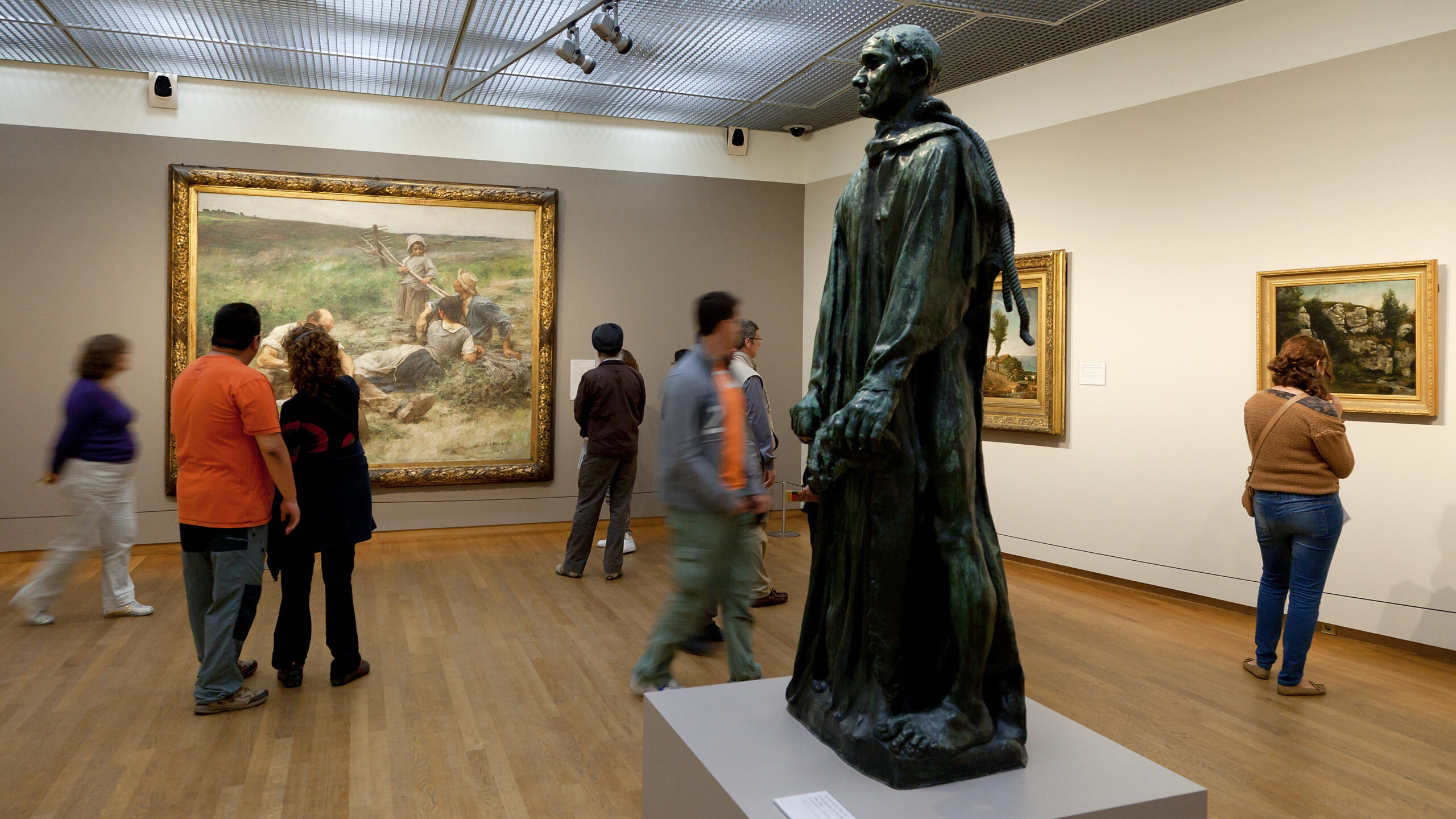
Art museums are increasingly shifting from traditional curation models to data-driven strategies, utilising artificial intelligence and analytics to refine the visitor experience. A study published in the April 2026 print issue of Management Science, conducted by academics from MIT, Georgia Institute of Technology, and the University of Navarra’s IESE Business School, demonstrates how digital guide data can optimise gallery layouts and visitor flow. Research indicates that subtle adjustments in digital recommendations and physical placement significantly impact engagement, with congestion sometimes boosting interest in lesser-known works. Institutions such as the Van Gogh Museum (VGM) in Amsterdam and MUNCH in Oslo are investing in digital teams and AI tools for conservation and accessibility, though experts caution against over-personalisation to preserve the educational and challenging role of art.
The research analysed 25,000 visits to the VGM between 2019 and 2021, using a model named "pathway MNL" to predict visitor transitions with 63% accuracy. The study found that subtle ordering changes on digital guides significantly impact traffic patterns, and that congestion can increase engagement with lesser-known artworks, potentially acting as a signal of quality. The VGM announced a redesigned multimedia tour in 2025, featuring hardware powered by Samsung and software built by NOUS Digital, informed by insights into visitor actions and desires. Digital guide uptake at the VGM rose to 36% in 2023, compared to a sector-wide average of approximately 10% for paid tours.
MUNCH’s 2024–2025 "New Snow" exhibition allowed over 70,000 visitors to draw images matched to Edvard Munch’s sketches via machine learning, facilitating engagement with fragile works. This application of AI extends beyond curation to conservation and accessibility, with institutions using machine learning to generate automated textual descriptions and support virtual restoration efforts. However, the sector is treading carefully with generative AI in curatorial roles due to concerns about accuracy and artistic integrity, focusing instead on tools that enhance rather than replace human-led storytelling.
Experts warn against over-personalisation, noting that showing visitors only what they are predicted to like may be a "disservice" to the educational role of art, which should challenge audiences. Hilary Knight, director of Change& in London, emphasised that one of the roles of art is to present visitors with things they might not like or realise they like, rather than reinforcing a canon of popular works. The challenge for museums is to strike a balance between technological efficiency and the need to expose audiences to diverse perspectives, ensuring that data-driven decisions do not undermine the creative and educational mission of cultural institutions.
The integration of data analytics into museum operations reflects a broader trend of cultural institutions becoming more strategic stewards of visitor tastes. While digital tools enable subtler interventions, such as varying recommendations based on real-time congestion, the ultimate goal remains to create compelling narratives that resonate with visitors. As museums continue to experiment with digital layouts and AI-driven insights, they must ensure that technology serves the user experience without compromising the integrity of the art or the institution’s educational role.