Damascus Rejects US Pressure for Lebanon Intervention Amid Stability Priorities
Despite repeated calls from Washington to disarm Hezbollah, Syria’s leadership views cross-border operations as a threat to domestic stability and international reintegration.
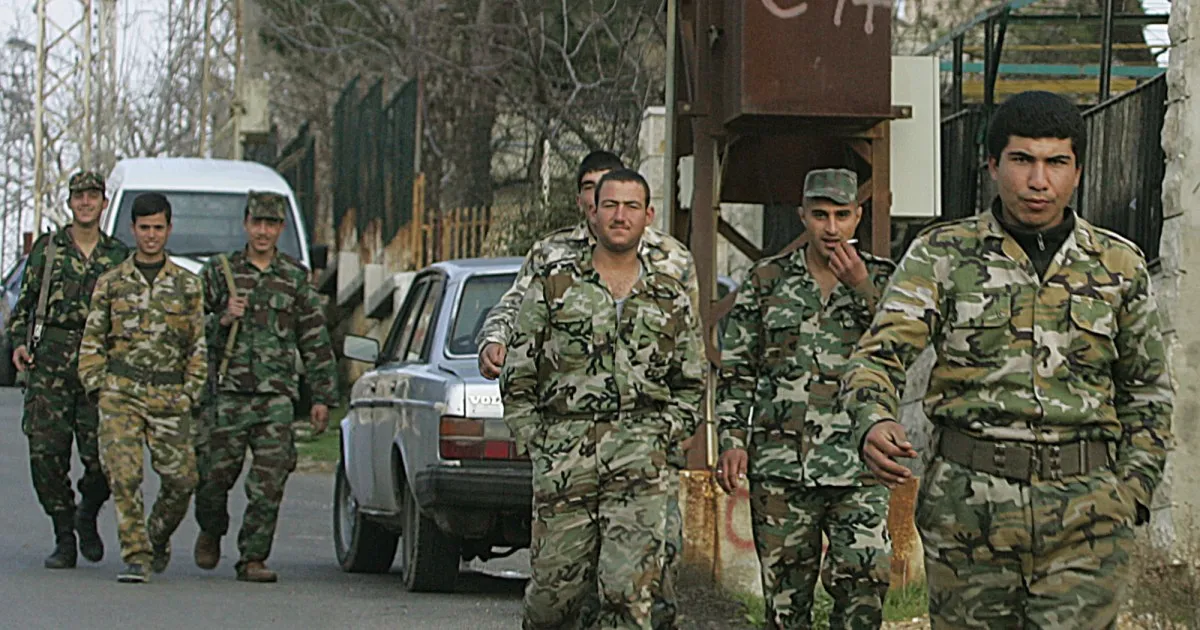
The Syrian government has signalled it is unlikely to intervene militarily in Lebanon to disarm Hezbollah, despite sustained pressure from United States President Donald Trump. Damascus views the prospect of cross-border operations as prohibitively costly, citing risks of significant human losses, security repercussions, and potential retaliation from Iran.
Syrian President Ahmed al-Sharaa’s administration has prioritised domestic stability, economic recovery, and the attraction of foreign investment. Military engagement in Lebanon is seen as a direct threat to these objectives, potentially undermining efforts to reintegrate the Syrian economy into the international financial system and lift existing sanctions.
While the United States has floated the idea of Syrian intervention as a pressure point against Iran, there is no declared or comprehensive American vision of what is expected of Damascus. Analysts suggest Trump’s repeated mentions of the option serve more as political leverage to confuse Hezbollah and Iranian calculations than as a plan for imminent military action.
Syria retains some capacity for limited border control, intelligence sharing, and the closure of smuggling routes. However, the Syrian armed forces are currently focused on unifying factions and organising command structures. Opening an external front risks draining resources needed for internal security and state development, while also potentially reigniting regional conflict.
The potential for Iranian retaliation remains a critical concern. An attack on US forces near al-Tanf in July demonstrated Iran’s ability to strike within Syrian territory. Such actions could target military sites or even the capital, exposing Syria to drone and missile attacks that would deter international investors and destabilise the region.
Domestic legitimacy and historical context further complicate any intervention. Memories of the Syrian military occupation of Lebanon from 1976 to 2005 could be evoked, shifting the focus in Lebanon from internal disarmament debates to the violation of sovereignty. This could strengthen Hezbollah’s political hand and unite broader political forces against what would be perceived as foreign intervention.
Without an official request from the Lebanese government or a broad regional understanding, Syrian forces entering Lebanon would lack political and legal cover. Damascus prefers securing its borders and preventing weapon smuggling over direct engagement, which would risk undoing recent efforts to build a unified national army and restore Syria’s international standing.