Damascus court charges Bashar al-Assad's cousin Atef Najib with war crimes for 2011 crackdown
Judge Fakhr al-Din al-Aryan reads out charges of systematic killing and torture linked to the Daraa uprising; senior figures remain in absentia
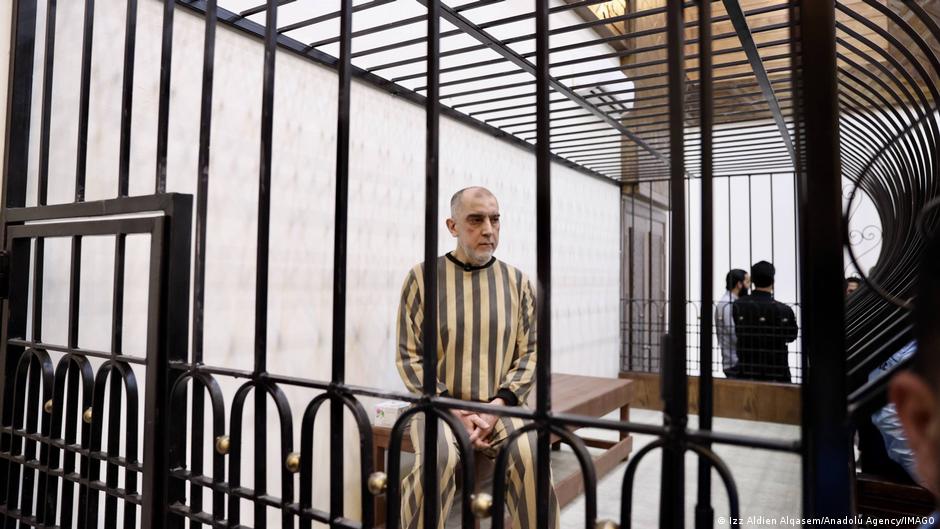
A Damascus judge has formally charged Atef Najib, a cousin of former President Bashar al-Assad and the former head of political security in Daraa province, with war crimes. The prosecution relates to his role in the 2011 crackdown on peaceful protests, with allegations including the systematic killing, torture, and arbitrary detention of civilians. This legal action marks the first in-person prosecution of a senior official from the Assad era, distinguishing it from the trials currently facing former President Assad and other high-ranking figures in absentia in Russia.
Judge Fakhr al-Din al-Aryan detailed the accusations during a session in which the former Brigadier appeared in court. The charges allege direct responsibility for ordering killings, arrests, and torture, citing specific incidents such as opening fire on a mosque sit-in and fatal torture within detention facilities. The judge emphasised that as the ultimate authority in Daraa province at the time, Najib held joint leadership responsibility for these acts within an organised hierarchical structure that targeted civilians.
The events in question trace back to March 15, 2011, when the arrest of 15 students accused of writing anti-government slogans sparked widespread unrest. This initial uprising, part of the broader Arab Spring movement, was met with an excessive use of force by security forces. The judge noted that Najib's tenure as head of political security coincided with this period of escalating violence, which subsequently degenerated into a decade-long civil war involving multiple factions.
The trial is proceeding under the interim leadership of Ahmed al-Sharaa, who assumed power following the collapse of the Assad regime in December 2024. State media reports indicate that the court later heard statements from Najib and witnesses after the judge initially halted media coverage of the proceedings. This move by the interim government to accelerate legal proceedings against former regime members occurs even as many of these individuals are deceased or currently outside Syria.
While former President Assad and his brother Maher are believed to have fled to Russia, Najib represents the most senior figure to face trial in person. The interim administration is currently normalising international relations and planning presidential elections within five years, yet it faces the challenge of prosecuting high-profile figures who are no longer within its jurisdiction or have passed away.
The proceedings underscore a policy shift toward holding the previous regime accountable for grave violations of human rights. By bringing a former head of political security to trial, the Damascus judiciary is attempting to establish a precedent for legal accountability that extends beyond the immediate political transition.