Dakar 2026: Senegal prepares for historic Olympic debut amid economic scrutiny
As the International Olympic Committee prepares for the October launch, Senegal faces questions over spending while aiming to showcase high governance standards and address local youth unemployment.
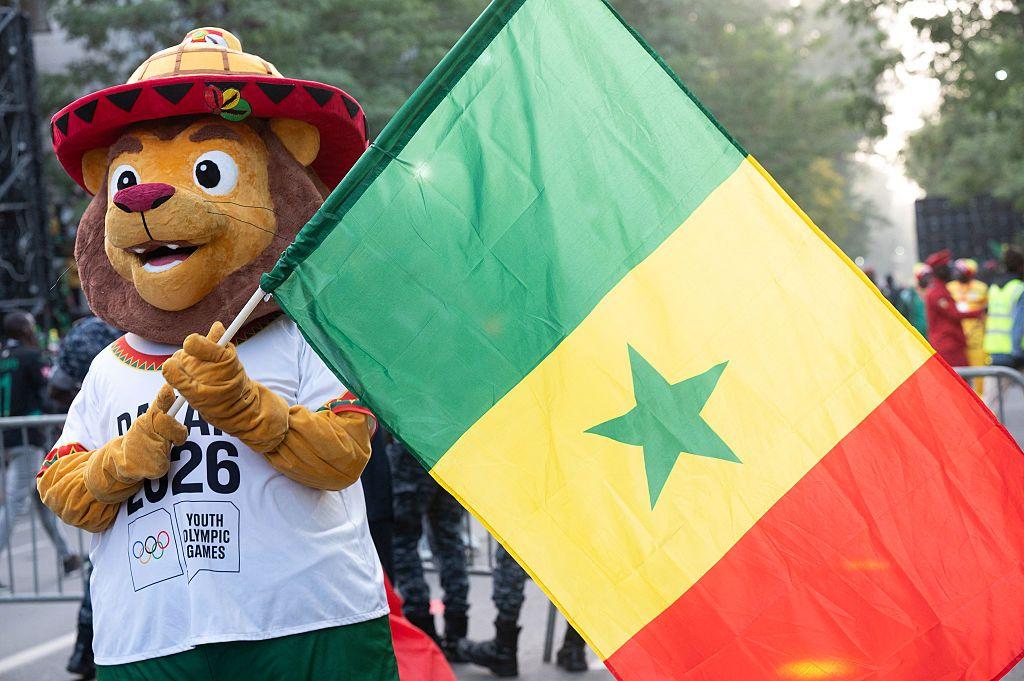
The Dakar 2026 Youth Olympics, commencing on 31 October, will mark the first time an Olympic competition is held on African soil. Hosted across the Senegalese capital, Diamniadio, and Saly, the event features approximately 2,700 athletes competing in 25 sports, alongside a debut youth refugee team. Organisers are focusing on restoring existing venues rather than constructing new ones, with the exception of the Abdoulaye Wade Stadium in Diamniadio, which cost around $270 million to build and will host the opening ceremony. The Games are overseen by IOC President Kirsty Coventry, who previously led the coordination commission for the event. Local residents hope the Games will alleviate high youth unemployment, which exceeds 27% among those aged 15-34. High-profile ambassadors include Senegal football captain Kalidou Koulibaly, influencer Khaby Lame, and French actor Omar Sy.
International Olympic Committee official Christophe Dubi described the event as "monumental," noting it is the first time the continent has hosted an event labelled with the Olympic rings. Thierno Cisse, deputy chief operating officer of the Local Organising Committee, stated that preparations are firmly on track and emphasised the country's responsibility to represent Africa with high standards. The Games, initially planned for 2022, were postponed due to the pandemic, allowing additional time for planning and venue restoration. Cisse noted that the recruitment strategy has opened gates to the whole continent, with volunteers from more than 30 countries, primarily from Africa, participating in event operations.
Senegal’s unemployment rate among those aged 15-34 is reported to be over 27%, with local residents hoping the Games will create job opportunities. Dakar resident Issa Diao highlighted the high rate of joblessness and the hope that the event will help people find work. The IOC launched a scheme last year to train more than 400 young Africans in event operations, logistics, technology, accreditation, and venue management. This initiative aims to provide practical skills and engagement opportunities for young people amid a domestic job market that has struggled to provide stable opportunities.
The event features a debut youth refugee team, selected through trials and development programmes in East Africa. This team, introduced previously in Rio de Janeiro in 2016, will receive education and wellbeing support alongside their athletic participation. Dubi stated that the inclusion of the refugee team sends a clear message of hope for people who have lived through difficult circumstances. The Games will also include ten non-competitive engagement sports aimed at encouraging participation among local youngsters, reinforcing the event's role as a cultural and social movement beyond mere competition.
Senegal reportedly spent around $270 million to build the Abdoulaye Wade Stadium in Diamniadio, which will host the opening ceremony. The country’s sports ministry estimates the cost to organise the Games at $60 million, though these figures could not be independently confirmed by the Local Organising Committee or the IOC. Both parties emphasise that the success of the event will be judged by its long-term legacy, including the preservation of historic venues and the discovery of new sporting talent. Kirsty Coventry, the first female and African IOC President, brings a special bond to the Games, having previously served as president of the coordination commission for Dakar.