Cycling Union Demands Safety Overhaul After British Rider’s Death in Portugal
Portuguese authorities launch investigation into incident involving 19-year-old Fin Tarling; driver unlikely to face charges
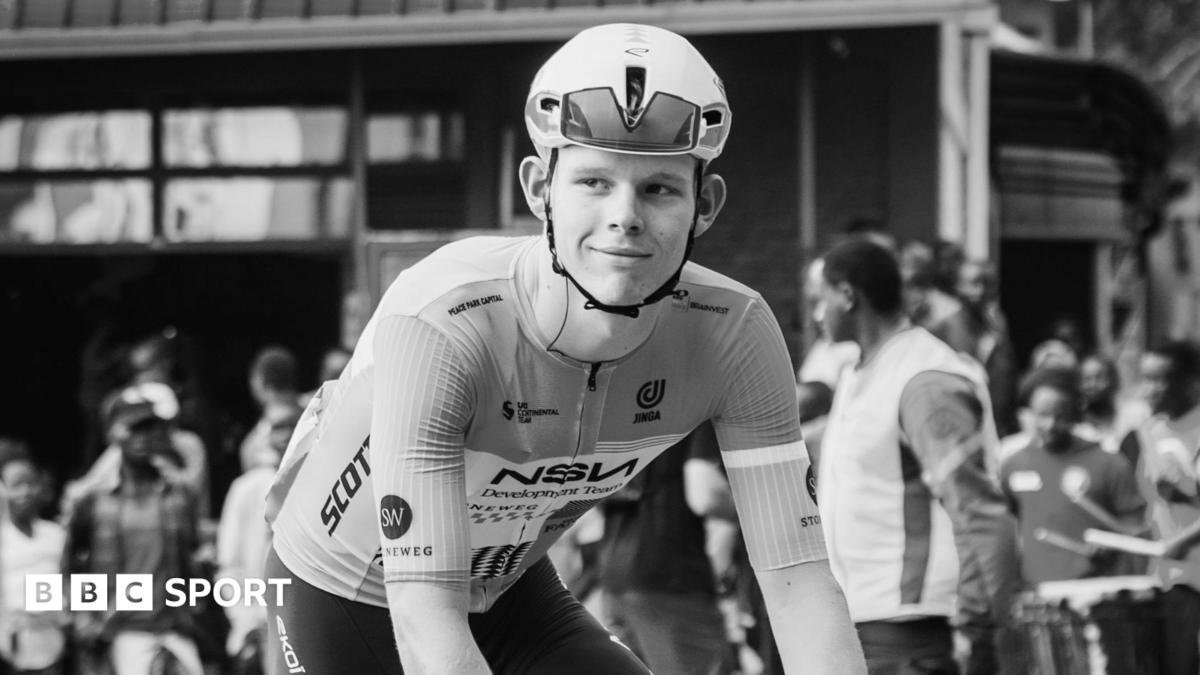
The Cyclistes Professionnels Associes (CPA) has issued a stark condemnation of current road racing safety protocols following the death of British cyclist Fin Tarling, 19, during a stage of the Volta a Portugal. The union expressed “fury” over the incident, which occurred when Tarling collided with a light goods vehicle not involved in the race, and has called for immediate improvements to helmet safety standards.
Tarling, a rider for NSN Cycling, died after the collision on Friday. While Portuguese authorities have commenced an investigation through the National Republican Guard, local media report that the driver is unlikely to face charges. The full circumstances surrounding the accident remain undisclosed, though it is understood the stage was operating under a rolling roadblock system and Tarling was adrift from the main peloton.
CPA president Adam Hansen described the union as “speechless and filled with anger,” emphasising that current regulations are ill-equipped for modern racing conditions. Hansen highlighted that the prevailing EU standard for bike helmets, CE EN 1078, is only rated for impacts at speeds up to 19.5km/h. He argued this threshold is insufficient given that professional cyclists regularly reach speeds exceeding 60mph on descents, with recent Tour de France stages averaging over 50km/h.
The incident has reignited debate regarding the use of rolling roadblocks, where police and organiser vehicles temporarily close sections of public roads rather than implementing full course closures. Hansen identified a systemic vulnerability in this model, noting that public drivers often assume the race has passed once the main group or a breakaway has cleared a junction, unaware that other riders may remain on the course by significant margins.
This tragedy marks the first fatality in a road race in 2026 and adds to a growing list of casualties in the sport. Six cyclists have died during road races over the past three years, including Muriel Furrer and Gino Mader. Previous high-profile incidents, such as Max Schachmann’s collision at Il Lombardia in 2020 and the cancellation of the 2023 Tour Feminin des Pyrenees, underscore the persistent risks associated with racing on public infrastructure.
Tarling was the younger brother of Josh Tarling, a time trial specialist for Netcompany Ineos, and was part of a new generation of British talent influenced by the successes of Mark Cavendish and Chris Froome. Tributes have begun to flow from the cycling community, and BBC Sport understands that organisers are considering a tribute to Tarling at the men’s Tour of Britain, which commences on 2 September.
The UCI has been contacted for comment regarding the proposed changes to helmet standards. As the investigation continues, the cycling community faces renewed pressure to address the gap between regulatory frameworks and the physical realities of high-speed road racing.