Curved TVs failed but curved gaming monitors thrived
Viewing angle issues, manufacturing costs, and aesthetic constraints killed curved televisions, while closer viewing distances and single-user focus drove success in gaming monitors.
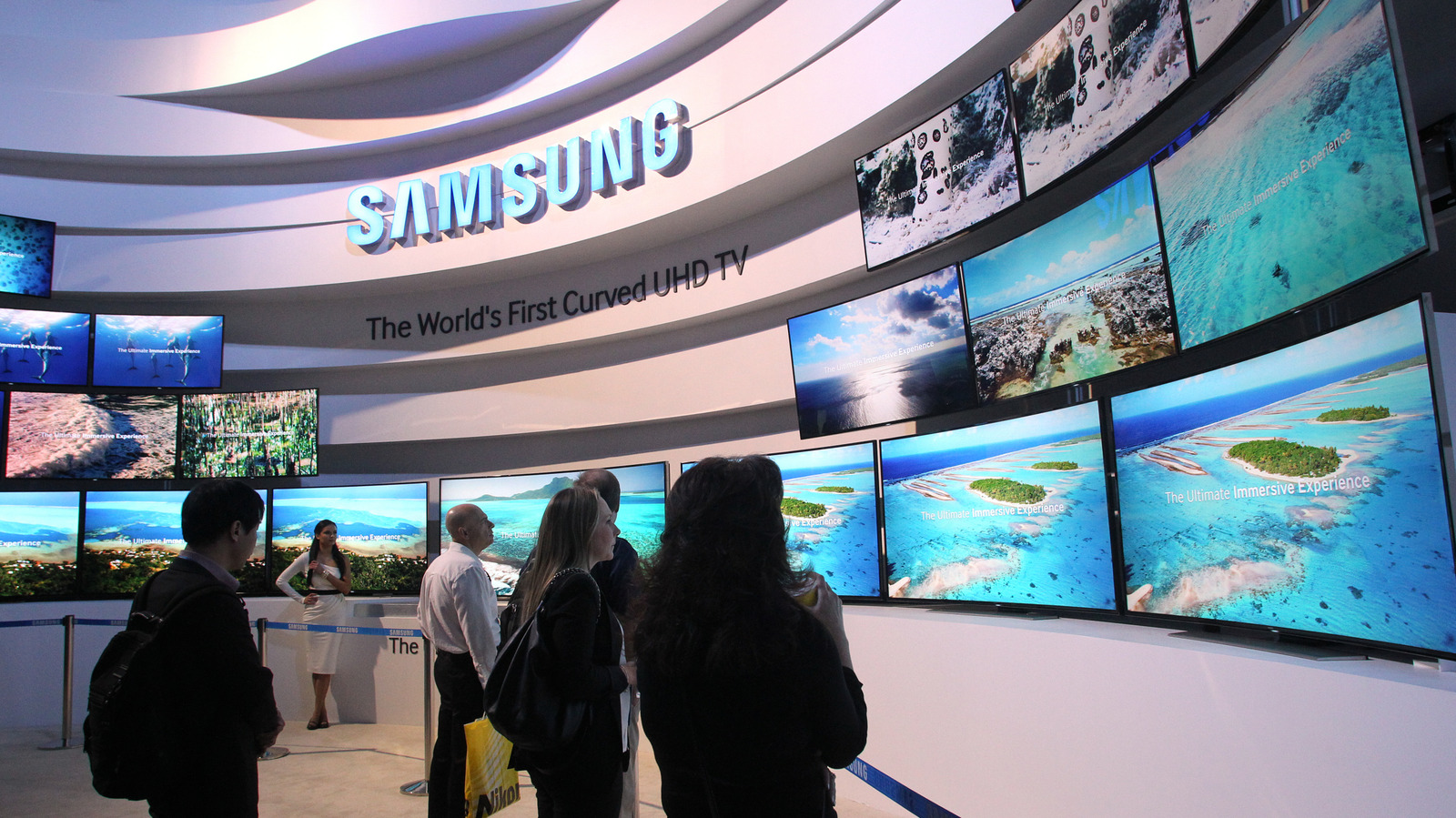
Curved televisions, once heavily marketed as the next frontier in immersive home viewing throughout the 2010s, were effectively abandoned by manufacturers by 2020. Samsung, the last major holdout for the format, ceased production of curved TVs during this period, marking the end of an era for the technology in the living room.
The failure of curved TVs stemmed from a combination of technical limitations and practical constraints. Curved LCDs suffered from significant viewing angle issues, where contrast and colour saturation dropped sharply when viewed off-centre. While curved OLED panels mitigated this issue, they were typically more expensive, limiting their market appeal.
Manufacturing difficulties also played a crucial role. Dipin Sehdev, founder and CEO of consumer electronics aggregator CE Critic, noted that producing large curved screens was a pain for manufacturers. Scaling production from 30-inch sets to 55, 65, or 75-inch models made it difficult to maintain uniformity and manage shipping logistics, leading to unsustainable manufacturing losses for major brands.
Aesthetic constraints further hindered adoption. As flat-screen TVs became slimmer, consumers increasingly mounted them on walls to save space. Curved TVs, however, presented a challenge for clean interior designs, with corners protruding up to 6 inches, disrupting the contemporary look many homeowners sought.
In contrast, curved screen technology has thrived in the gaming monitor sector. The technology suits closer viewing distances, typically 27 to 32 inches, and single-user focus, which enhances immersion in simulation games and ultrawide setups. Curvature keeps the entire screen within the user's direct field of view, reducing the need to crane the neck and improving peripheral visibility in fast-paced games.
Sehdev highlighted that extreme curvature is particularly beneficial for ultrawide monitors, such as those from Alienware and Samsung. As gaming shifts towards simulation experiences like Microsoft Flight Simulator, the demand for curved screens that provide a wider, more encompassing view continues to grow.
While curved TVs largely served as a marketing gimmick, the manufacturing experience gained from that era has enabled the production of curved gaming monitors that consumers actually want. The technology has not disappeared but has instead migrated to a segment where its benefits are maximised and its drawbacks are negligible.