Cuba’s grid collapses for sixth time as US oil pressure tightens
A failure in central transmission lines triggered a total blackout across the island, marking the latest in a series of collapses linked to chronic fuel shortages and deteriorating infrastructure.
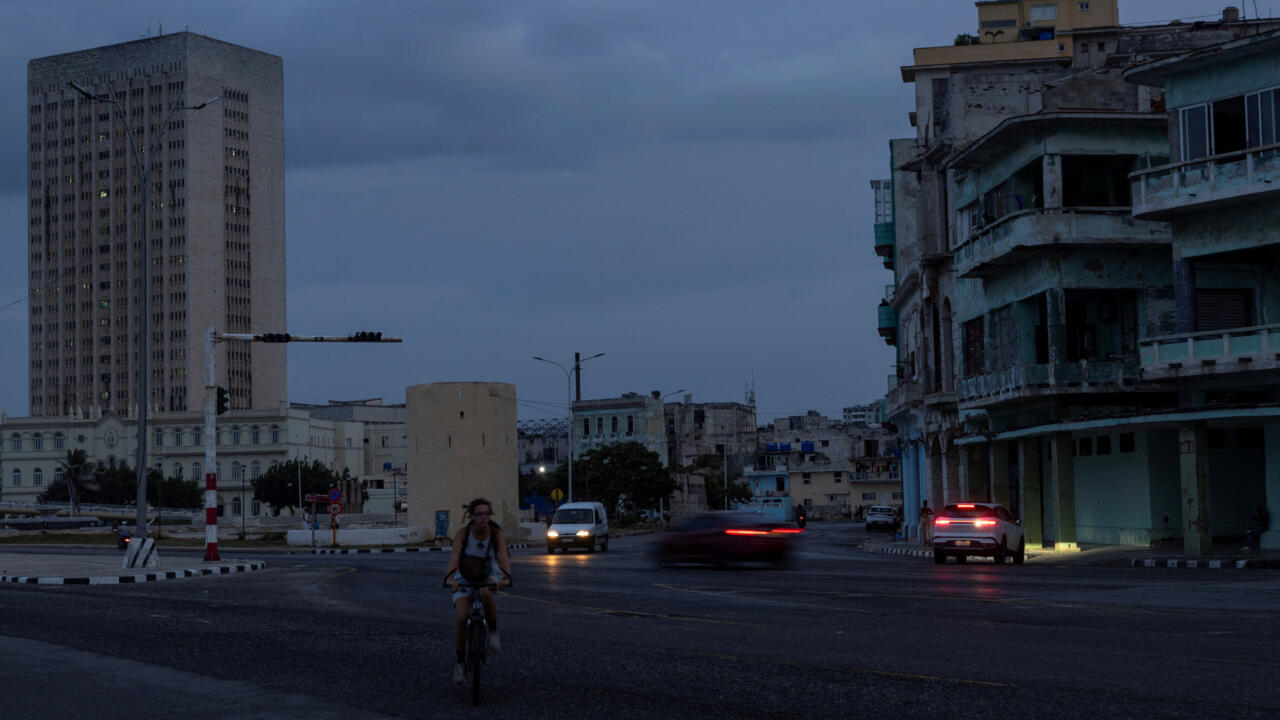
Cuba’s electrical grid suffered a total collapse on Friday, plunging millions of residents into darkness. Authorities identified the immediate trigger as a failure in high-voltage transmission lines in central Cuba, which occurred at approximately 2 pm local time. The incident marks the latest in a series of at least six partial or total grid collapses recorded since January.
Felix Estrada, an official with Cuba’s National Electrical Union (UNE), stated that protocols were in place to begin the gradual restoration of the system. By late evening, power had returned to a handful of scattered neighbourhoods in Havana, primarily around hospitals. However, much of the capital remained without electricity, with residents facing a prolonged period of darkness.
The blackout has exacerbated an already severe energy crisis on the island. The country has grappled with chronic fuel shortages and deteriorating infrastructure for years, but the situation has worsened significantly since January. A US-imposed oil blockade, which has sharply restricted fuel supplies, is cited as a key factor in the increased frequency of grid failures.
In July alone, the grid collapsed three times, leading to rolling blackouts that have since spanned 30 hours or more across most of the country. For many residents, the latest outage was a continuation of an ongoing struggle rather than a singular event. Frank Lorenzo, a 23-year-old Havana resident, noted that he had already gone without power for 24 hours before the grid failed again.
United Nations human rights experts have condemned the US oil blockade as a violation of international law. They have warned that Cuba risks becoming a “silent Gaza” as shortages and blackouts grow ever more critical, highlighting the broader geopolitical implications of the island’s energy instability.