Cuban Private Sector Navigates Survival Amidst US Oil Blockade and Regulatory Shifts
Small businesses face soaring diesel prices and transport costs following a US blockade, prompting a pivot to renewables despite strict import restrictions.
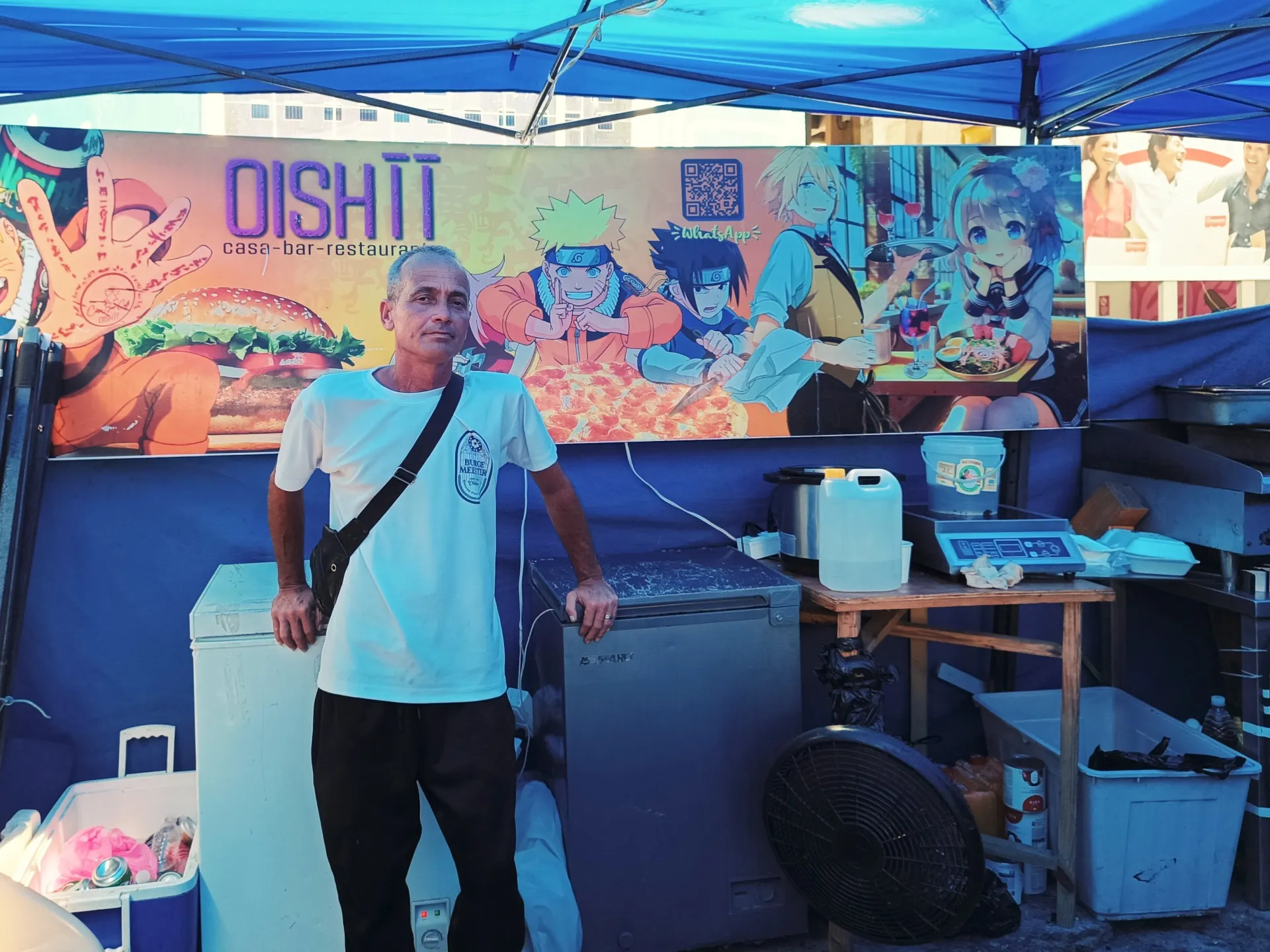
A US oil blockade imposed in late January 2026 under President Donald Trump has severely disrupted Cuba's private sector, triggering widespread power outages and fuel shortages that threaten the viability of small enterprises. Family businesses, logistics firms, and exporters report skyrocketing operational costs, with black market diesel prices surging to $10 per litre and transport expenses increasing sixfold since the restrictions began.
The economic pressure has forced many operators into a state of survival rather than growth, compelling a difficult pivot toward renewable energy despite the high costs of electric vehicles. In response to the crisis, the Cuban government has introduced new regulations to support the private sector, including tax exemptions for solar imports, rights for overseas Cubans to establish small and medium-sized enterprises, and authorisation for mixed limited liability companies.
Despite these regulatory shifts, small enterprises remain largely unable to access affordable fuel due to strict import restrictions and prohibitions on pooling resources. Between February and March, the private sector imported only roughly 30,000 barrels of fuel from the US, a minimal amount compared to national needs. Consequently, the sector continues to operate under the shadow of the blockade, with profitability stifled by the inability to secure independent fuel supplies.
The impact on local commerce has been immediate and severe. Logistics costs have surged from $100 to $150 per container to at least $600, stalling commercial processes and driving up prices for final goods. A single tank of fuel, containing 25,000 litres, now costs between $45,000 and $50,000 plus state commissions, rendering it unaffordable for most small businesses that cannot access the lower rates available to large-scale operations.
While the new laws allow private capital to merge with state companies in sectors such as sugar and mining, significant limitations remain. The authorisation for mixed limited liability companies does not extend to the health, education, and military sectors, which remain off-limits to private investment. This partial liberalisation aims to loosen historical state centralism but does not fully address the acute fuel crisis facing the broader economy.
Analysts note that the private sector has grown on the basis of resilience, yet the current environment presents a dual challenge of internal bureaucracy and external sanctions. With the Cuban government and the Trump administration currently holding negotiations, the outlook for the private sector remains uncertain as businesses struggle to stay afloat without reliable energy access.