Cuba warns of bloodbath as US imposes new sanctions on intelligence agency
President Miguel Diaz-Canel asserts Havana’s right to self-defence while the US Treasury targets Cuba’s main intelligence apparatus in a move that deepens diplomatic hostility.
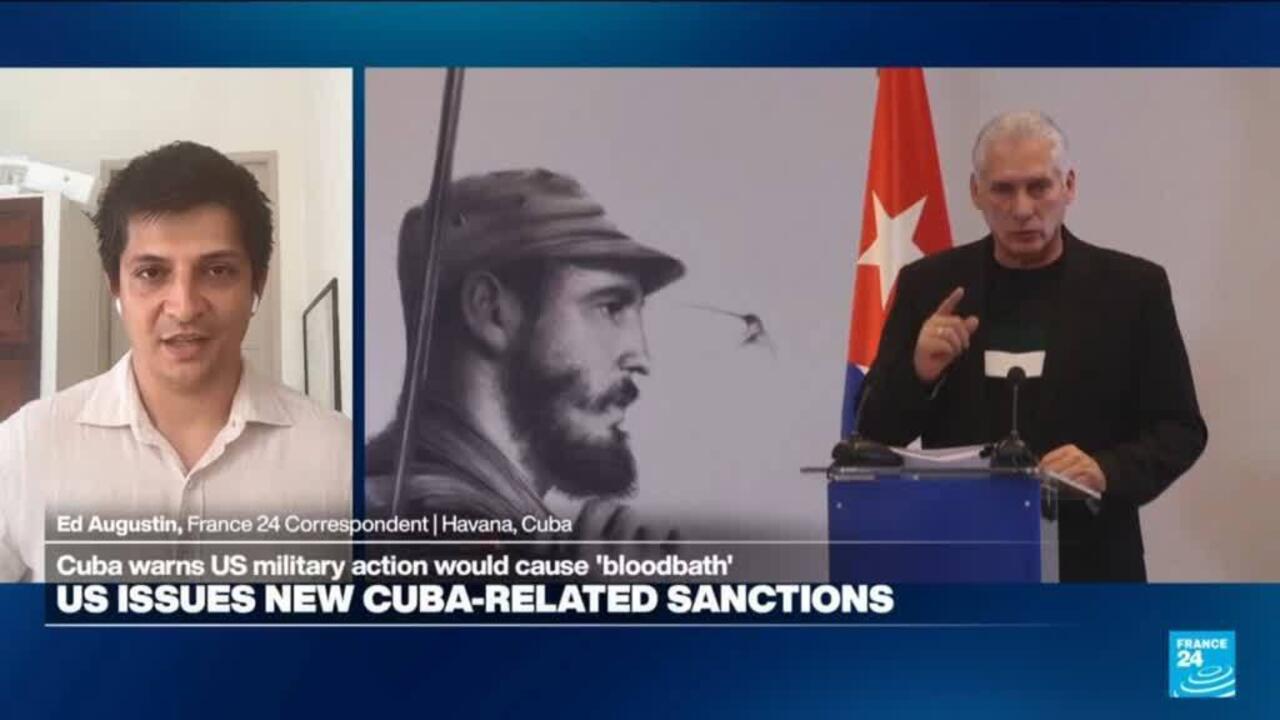
Cuban President Miguel Diaz-Canel has issued a stark warning to the United States, stating that any military attack on Havana would result in a "bloodbath". The assertion of Havana’s right to self-defence comes amid a significant deterioration in relations between the two countries, which are described as arch-foes. The President’s comments were delivered on Monday, heightening fears of a potential military confrontation in the Caribbean.
The warning follows reports from the US news site Axios, which indicated that Cuba has acquired more than 300 military drones from Russia and Iran. According to the report, Havana is considering utilising these assets against US targets. These developments have prompted a swift and punitive response from Washington, with the US Treasury imposing sanctions on Cuba’s main intelligence agency and its top leaders.
The sanctions represent a direct escalation in economic and political pressure exerted by the United States. By targeting the leadership and operational core of Cuba’s intelligence apparatus, the US Treasury aims to disrupt the agency’s activities and signal disapproval of Havana’s military acquisitions. This action coincides with the President’s public declaration of self-defence, underscoring the fragile security dynamic between the two nations.
While the specific details of the new sanctions were not fully elaborated in the immediate release, the move marks a significant tightening of the US stance against Cuba. The acquisition of advanced drone technology from Russian and Iranian sources suggests a deepening of Havana’s military ties with nations already under significant international scrutiny. This shift in military capability adds a new layer of complexity to the longstanding geopolitical rivalry.
The situation remains volatile as both sides engage in rhetorical posturing and policy measures. The US Treasury’s decision to sanction key Cuban figures is likely to be viewed in Havana as a provocation, potentially reinforcing the administration’s hardline posture. Meanwhile, the reports of drone acquisition, though unverified by independent sources at this stage, have clearly influenced the strategic calculations of both governments.
As tensions spike, the international community watches closely for further developments. The combination of military warnings and economic sanctions creates a precarious environment with the potential for further escalation. The coming days will be critical in determining whether diplomatic channels can de-escalate the situation or if the conflict will move towards a more direct confrontation.
The incident highlights the enduring hostility between the United States and Cuba, a relationship characterised by decades of diplomatic isolation and economic embargo. The recent actions by both Washington and Havana suggest that the status quo is no longer acceptable to either side, raising questions about the stability of the region and the future of US-Cuba relations.