Philadelphia primary tests progressive pragmatism in Pennsylvania’s third district
With no Republican opposition, the Democratic nominee for Pennsylvania’s third congressional district is virtually assured of victory, but internal party divisions over strategy and identity are driving a highly contested primary.
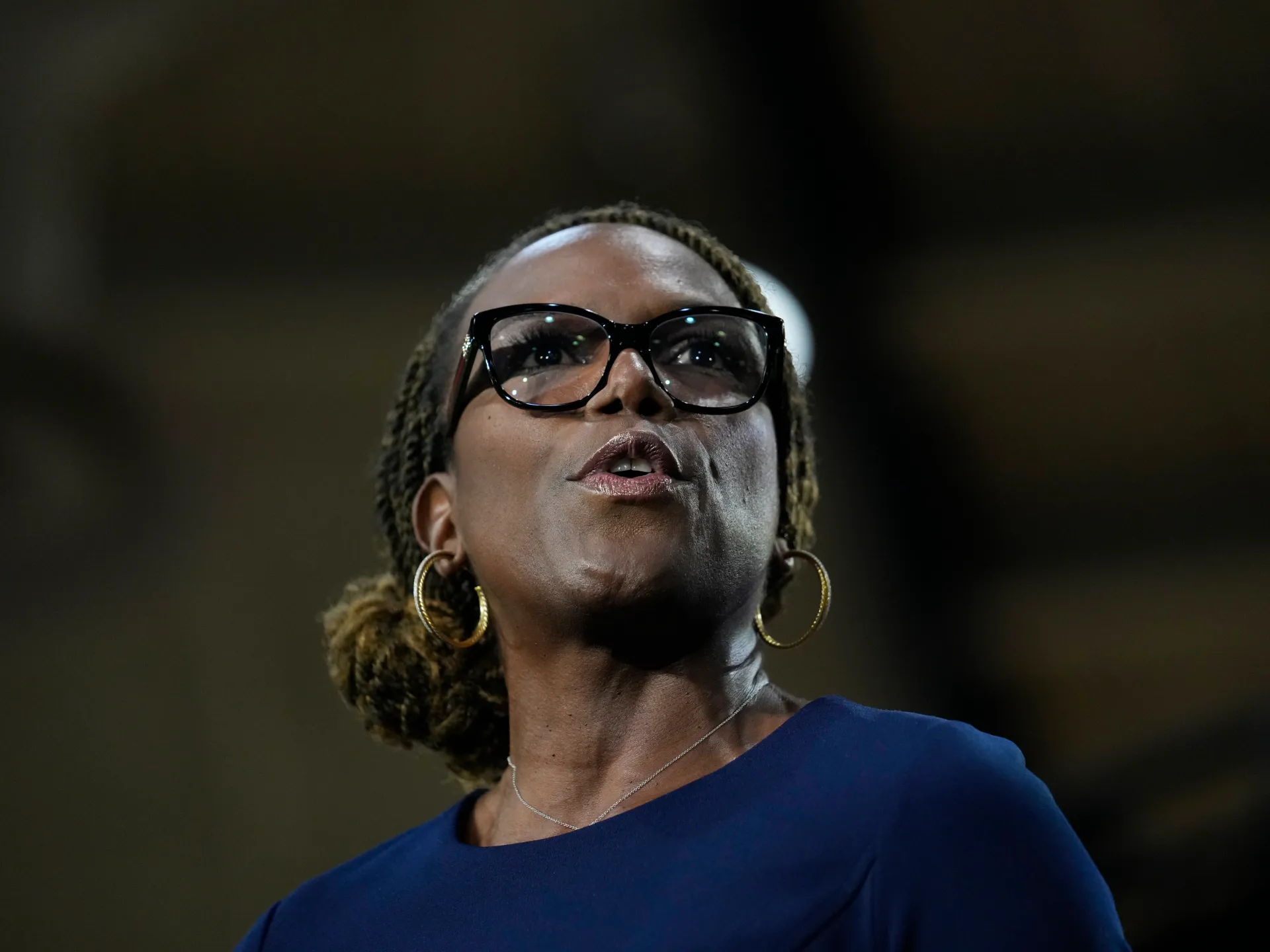
Voters in Pennsylvania’s third congressional district are casting ballots in a Democratic primary that has become a focal point for debates within the US progressive movement. The contest to replace retiring Congressman Dwight Evans features four candidates: State Representative Chris Rabb, State Senator Sharif Street, pediatric surgeon Ala Stanford, and lawyer Shaun Griffith. With no Republican candidates entering the race, the primary is widely regarded as the decisive election for the seat, which has been held by Democrats since 2016.
The race is characterised by a strategic divide between establishment pragmatism and radical progressivism, despite all candidates sharing broadly progressive platforms on healthcare, housing, and civil rights. Sharif Street, the former chair of the Pennsylvania Democratic Party, is backed by the party establishment, local labour unions, and Mayor Cherelle Parker, emphasising his legislative record and experience. Chris Rabb, a democratic socialist, is positioning himself as a "firebrand" progressive, drawing endorsements from prominent figures such as Alexandria Ocasio-Cortez, Ilhan Omar, and Chris Van Hollen. Ala Stanford, a political newcomer and pediatric surgeon, is campaigning as an outsider with public health leadership credentials, having secured the endorsement of outgoing Congressman Dwight Evans.
Analysts predict a split vote with no candidate securing a majority, estimating the winner will take office with between 35% and 40% of the vote. Marc Stier, a former director of the Pennsylvania Policy Center, noted that while the candidates share policy goals, the differences lie in their approach to governance and perception. Street’s opponents have sought to distance themselves from the left-wing establishment, with Rabb aiming to push bolder ideas, while Street’s supporters argue that his relationships with the political machine are essential for delivering results.
Turnout in specific neighbourhoods, particularly North and West Philadelphia, is identified as the critical variable determining the outcome. Lou Agre, a ward leader and retired lawyer backing Street, stated that high turnout in these areas would likely secure victory for Street, while lower turnout could open the door for Rabb or Stanford. Stanford is viewed as a complicating factor, potentially splitting the more centrist vote and inadvertently benefiting Rabb, who expects to consolidate the progressive base.
Pennsylvania Governor Josh Shapiro has reportedly warned local building trade unions against attacking Stanford, fearing it could inadvertently benefit Rabb, who has been critical of the Governor. The outcome of this primary will set the stage for the general election in November, where the Democratic nominee is expected to prevail in one of the most left-leaning districts in the country.