Cuba confronts deepening economic and energy emergency as essential goods vanish
France 24 reports that daily life across the island is becoming increasingly difficult due to a collapse in economic stability and severe import constraints
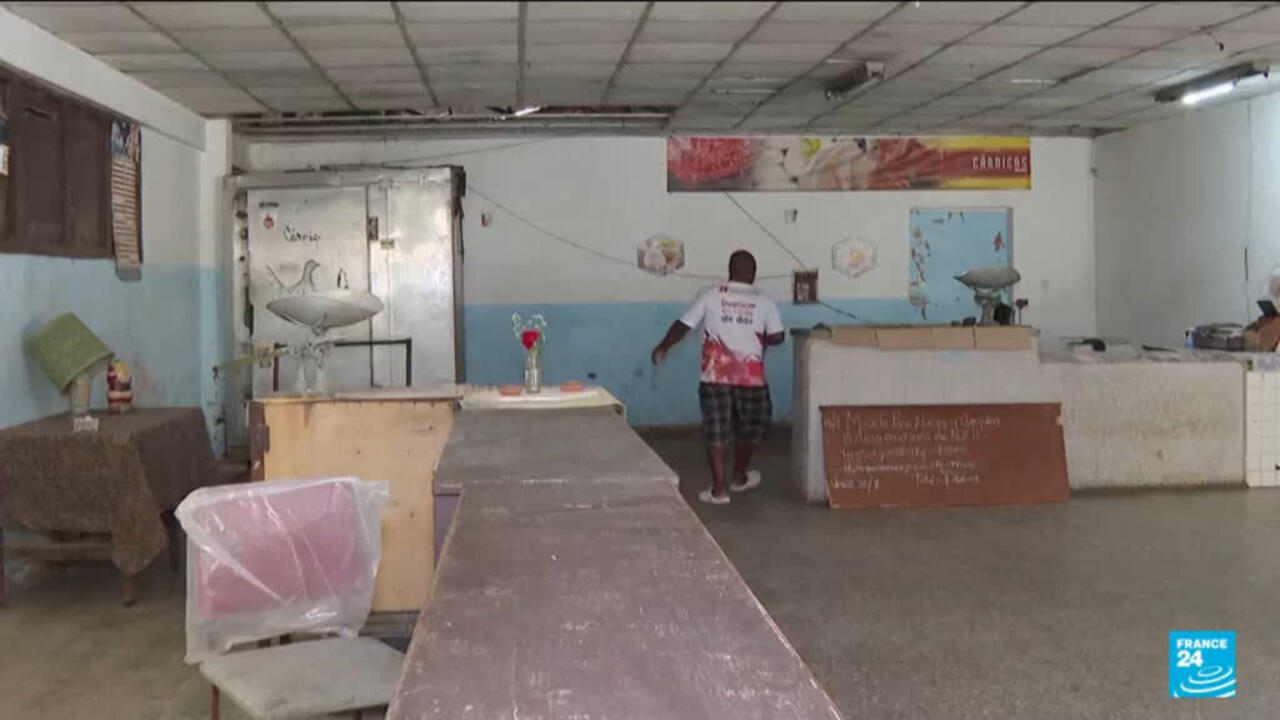
Cuba is currently navigating a severe economic and energy emergency that has escalated into a deep crisis affecting the entire nation. Reports indicate that prices are soaring across the island, creating an environment where daily life has become increasingly difficult for the population. The gravity of the situation has prompted many Cubans to draw stark parallels with the historical challenges of the past.
A significant number of residents who lived through the Special Period of the 1990s are stating that the current circumstances are even worse than the previous collapse. That earlier era was defined by severe economic hardship triggered by the collapse of Soviet support, which had previously provided vital financial and energy assistance. The comparison underscores the depth of the current structural failure and the intensity of the suffering being experienced today.
The root of this scarcity lies in the nation's heavy reliance on external supplies for sustenance. France 24 highlights that Cuba imports up to 80 per cent of the food it consumes, a structural dependency that has now become a critical vulnerability. Because of this extensive reliance on imports, essential goods are becoming harder and harder to find, leaving households without access to basic necessities.
The convergence of soaring prices and the unavailability of essential items has created a feedback loop of instability. As the economy falters, the cost of living rises while supply chains struggle to deliver the imported goods required to feed the population. This dynamic is characterised as a deep emergency that is permeating every aspect of daily existence across the island.
Gabrielle Nadler reports on the unfolding situation, noting that the crisis is not merely a temporary fluctuation but a systemic emergency. The inability to secure food and energy resources has transformed the social fabric of the country, forcing citizens to confront a reality where the benchmark of past suffering no longer seems adequate to describe the present.
As the emergency deepens, the focus remains on how the government manages these structural deficits without the traditional support networks that once sustained the economy. The situation illustrates the fragility of an island nation whose food security is inextricably linked to global markets and foreign aid, both of which appear to be failing at a critical moment.