CSIS estimates $2.3bn to $2.8bn in US military equipment destroyed in Iran conflict
The Center for Strategic and International Studies (CSIS) calculates the value of destroyed assets, noting the figures exclude losses at other regional bases or naval vessels.
The Center for Strategic and International Studies (CSIS) has calculated that US military equipment worth between $2.3 billion and $2.8 billion has been destroyed during the ongoing conflict with Iran. This assessment, led by senior adviser Mark Cancian, represents the first comprehensive breakdown of US equipment losses provided by a major international research group since the war began on 28 February.
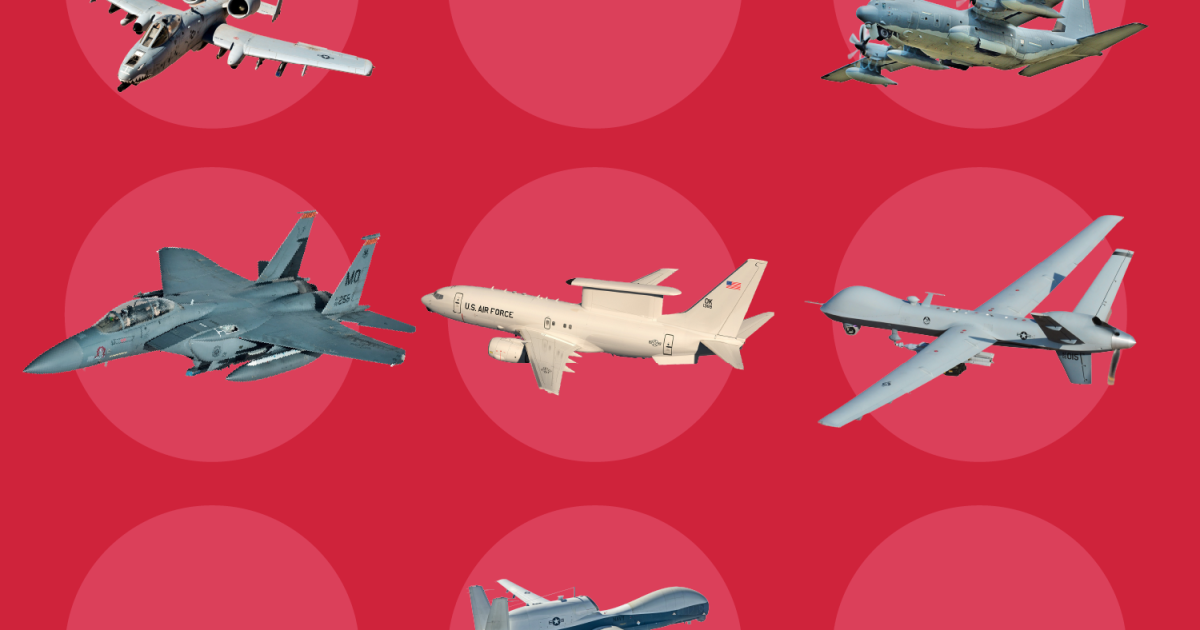
The estimate encompasses confirmed losses including a $700 million E-3 AWACS radar surveillance aircraft destroyed at Prince Sultan airbase in Saudi Arabia. This incident occurred on 27 March, following an Iranian strike that also wounded several soldiers. The destruction of the airborne command centre, which can detect aircraft and missiles hundreds of kilometres away, marks a significant blow to US air superiority in the region.
Additional losses identified in the report include three F-15 fighter jets shot down in a friendly fire incident in Kuwait during early March. The CSIS assessment also accounts for a powerful THAAD missile defence radar system valued between $485 million and $970 million. While reports suggest two radars may have been destroyed, the specific location of this loss remains unconfirmed, though the systems are known to be hosted by several Gulf nations.
Cancian noted that deriving the total figure was complicated by a lack of transparency regarding US infrastructure. Since 28 February, Planet Labs has blocked all public satellite imagery of US bases in the region at the request of the US government. In contrast, Iranian satellite imagery has remained available for analysis, allowing researchers to identify struck buildings but not necessarily the specific equipment inside.
The think tank explicitly states that these figures do not include losses incurred at other US bases in the region or any specialised naval assets. Analyst Omar Ashour suggests that full disclosure is unlikely due to political considerations ahead of the November midterm elections, noting a historical pattern where the US achieves operational victories but suffers strategic losses.
Cancian, a retired US Marine colonel, argued that Iran's decision to strike Gulf nations alongside US bases was a strategic error that may have driven regional states closer to Washington. He highlighted that the failure to maintain open passage through the Strait of Hormuz serves as a humbling reminder of naval unpreparedness, a lesson the US military has studied for 45 years.