Cruise vessel carrying hantavirus-affected passengers anchored off Tenerife as evacuation protocols activate
Authorities initiated evacuation plans hours after the ship arrived off the coast of Spain's archipelago
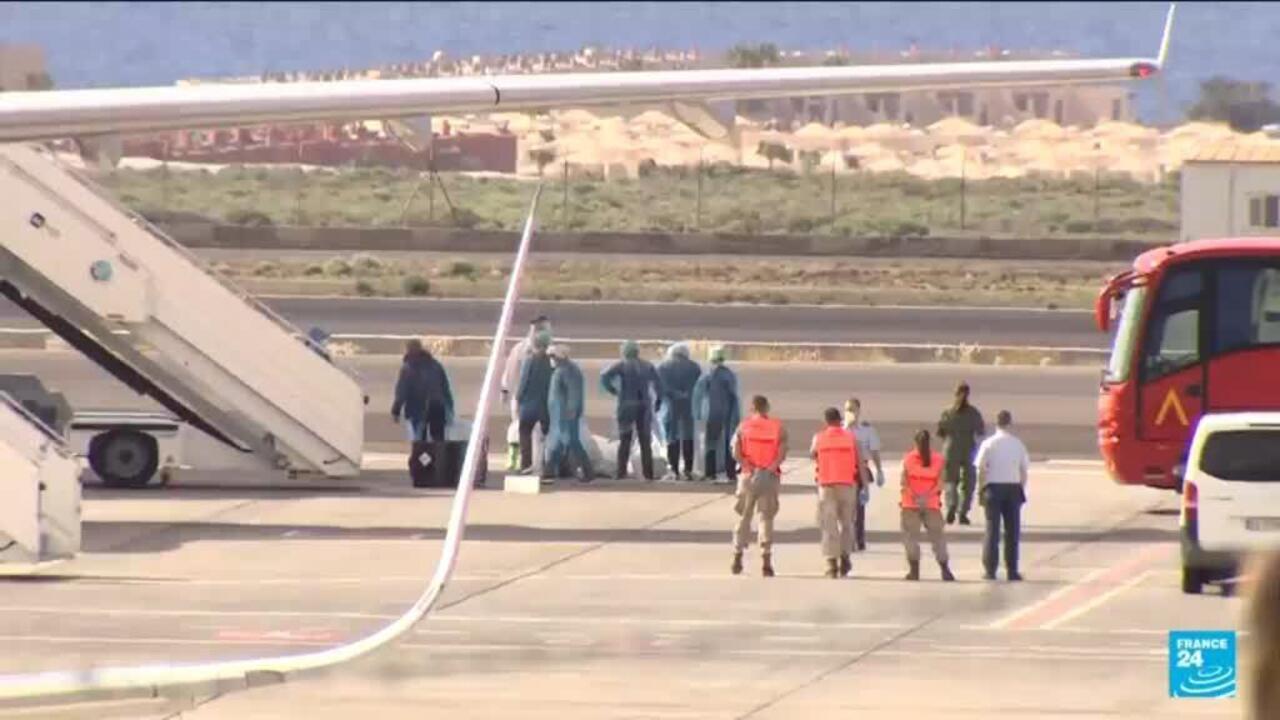
Passengers began disembarking on Sunday from a cruise ship affected by hantavirus, which was anchored off Tenerife in Spain's Canary Islands. The vessel had arrived at the location shortly before the start of the day, prompting immediate action from local officials.
Evacuation plans were initiated hours after the vessel arrived at the anchorage. This rapid response indicates a coordinated effort to manage the situation as soon as the ship reached the designated area off the coast of the Spanish archipelago.
The decision to evacuate was made shortly after the ship's arrival in the region. With disembarkation now underway, the focus has shifted to the safe transfer of passengers from the anchored vessel to the shore facilities in Tenerife.
Hantavirus is a viral infection transmitted to humans primarily through contact with rodents or their droppings, urine, or saliva. The presence of the virus on the cruise ship has necessitated these strict health and safety measures to prevent further transmission.
The Canary Islands are a Spanish archipelago located off the northwest coast of Africa, with Tenerife being the largest island. The choice of location for the ship's anchorage and subsequent evacuation highlights the logistical challenges of managing such incidents in remote island destinations.
Cruise ships are frequently used for transporting large numbers of passengers to and from remote or island destinations. The current situation underscores the vulnerability of such travel modes when health risks are identified during a voyage.
While the specific number of passengers affected versus those being evacuated as a precautionary measure is not yet specified, the activation of protocols suggests a significant operational response is required.